More than 200 lobster fishermen packed the community hall in Clark's Harbour, Nova Scotia on July 29 to reject a package of management changes that reached the federal fisheries minister's desk without, they say, ever winning the fleet's support.
The recommendations cover Lobster Fishing Area 34 — all of Yarmouth County and large parts of Shelburne and Digby counties — and would reshape the six-month commercial season starting in 2026-27. They came out of an LFA 34 sustainability project launched in 2025 with federal backing, and the fleet's objection is less to the measures themselves than to how they travelled.
Port representatives on Cape Sable Island called the emergency meeting after learning the package had gone to Fisheries and Oceans Canada minister Joanne Thompson. Some in the hall described the group behind it as a "secret committee."
"Nothing about these meetings have been up front," Marty Atwood, a Cape Sable Island port representative who sits on the LFA 34 advisory committee, told SaltWire.
Atwood said the proposals had already been rejected in the rooms where they were formally discussed. The recommendations were "all shot down at any meetings I was to, at the advisory committee meetings, and somehow they still found their way to the desk of the Minister of Fisheries in Ottawa," he said. "If we don't start fighting back for the only fishery we got, we're probably going to lose it."
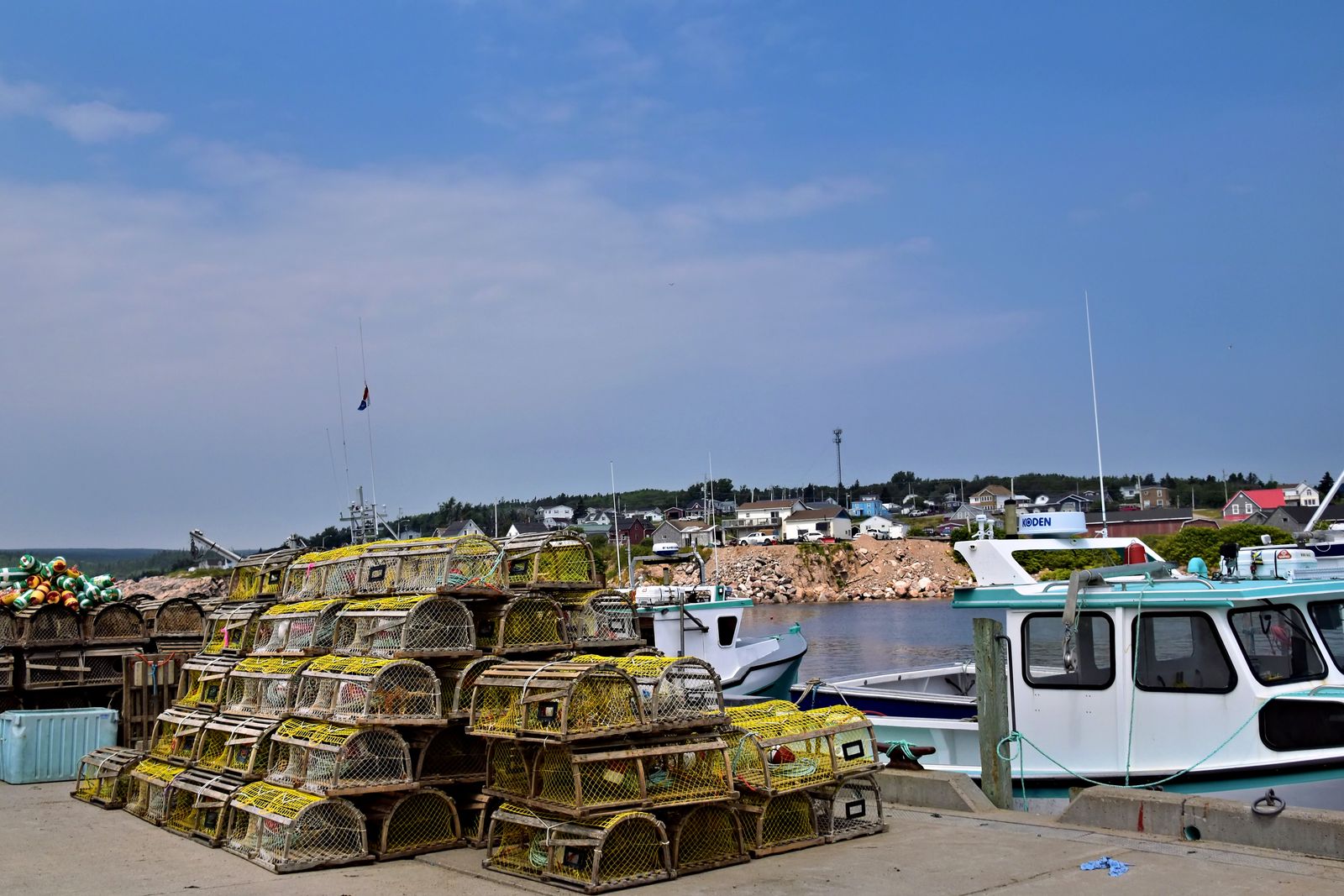
What is on the table is substantial. The season would open December 1 every year without exception, replacing the current opening on the last Monday of November, weather permitting — a later start pitched as better aligned with market demand and stronger shore prices. Traps would be required to carry three escape vents, one of them in the door, oversized to 1 7/8 inches and phased in through the 2027 season. Spring tag allotments would be scrapped, holding every licence holder to 375 pots for the whole season.
The package also proposes a combined financial and biological Target Reference Point, to be developed by fall 2026, that would automatically trigger predetermined management measures through a Harvest Control Rule once breached. A fifth recommendation calls for much heavier enforcement against illegal harvesting, including fines and licence cancellations, citing the risk to international IUU standards and Marine Stewardship Council certification.
Jerry Amirault, writing in a summary of the sustainability project shared on social media, defended the process. "A lot of meetings and discussion have taken place since our steering group first met in the late spring of 2025," he wrote. "All of the findings from private conversations to fishermen meetings, as well as DFO discussion, are now in the hands of the minister in Ottawa."
DFO says nothing has been decided. Debbie Buott-Matheson, manager of strategic communications for the department's Maritimes Region, confirmed the department supported the harvester group in 2025 and that its recommendations went to two LFA 34 Advisory Committee meetings in June.
"There was good discussion of the recommendations at both meetings," Buott-Matheson said. "However, more conversation and focused consultation are required to determine next steps." She added that the Southwest Nova Scotia Area Office "will continue working with the advisory committee and will help to facilitate future discussions with LFA 34 fishers," and that no management changes have been made as a result of the proposals.
Dan Fleck, executive director of the Brazil Rock 33/34 Lobster Association, made the procedural point more precisely: the advisory committee is the channel, and it has not recommended anything.

"DFO takes its recommendations from the LFA advisory process that we have, and the LFA 34 advisory committee has not made any recommendations to DFO, so no changes or amendments to the management plan would be made this year," Fleck said.
"A lot of people do identify something needs to be done," he told SaltWire. "Exactly what needs to be done or what's next... something needs to occur to get this stabilized. Is it all Mother Nature? Is it global warming? Is it the water temperatures? Is it over exploitation?"
That question is why the fleet's resistance is narrower than it looks. A petition circulated at the meeting for licence holders to sign told the minister that fishermen "are not opposed to conservation measures for the benefit of the stock and all involved" but want "more study, consultation and discussion" before changes that "will dramatically negatively alter the landscape in District 34 for future generations."
Two other grievances ran through the hall. Fishermen asked why LFA 34 is being singled out while neighbouring LFAs 33, 35 and 41 face no equivalent review — "we can't fix everything sitting in the middle," as one put it. And they returned repeatedly to the illegal summer lobster fishery in the area and what they described as inadequate enforcement, an issue the recommendations themselves flag but which the fleet argues should come before any new restrictions on licensed harvesters.
The stakes are not small. LFA 34 has 978 licence holders. Preliminary DFO statistics put the 2024-25 season at 14,742 tonnes landed, worth roughly $349 million — which makes it one of the most valuable lobster grounds in Canada, and the reason a fight over process is being fought this hard.