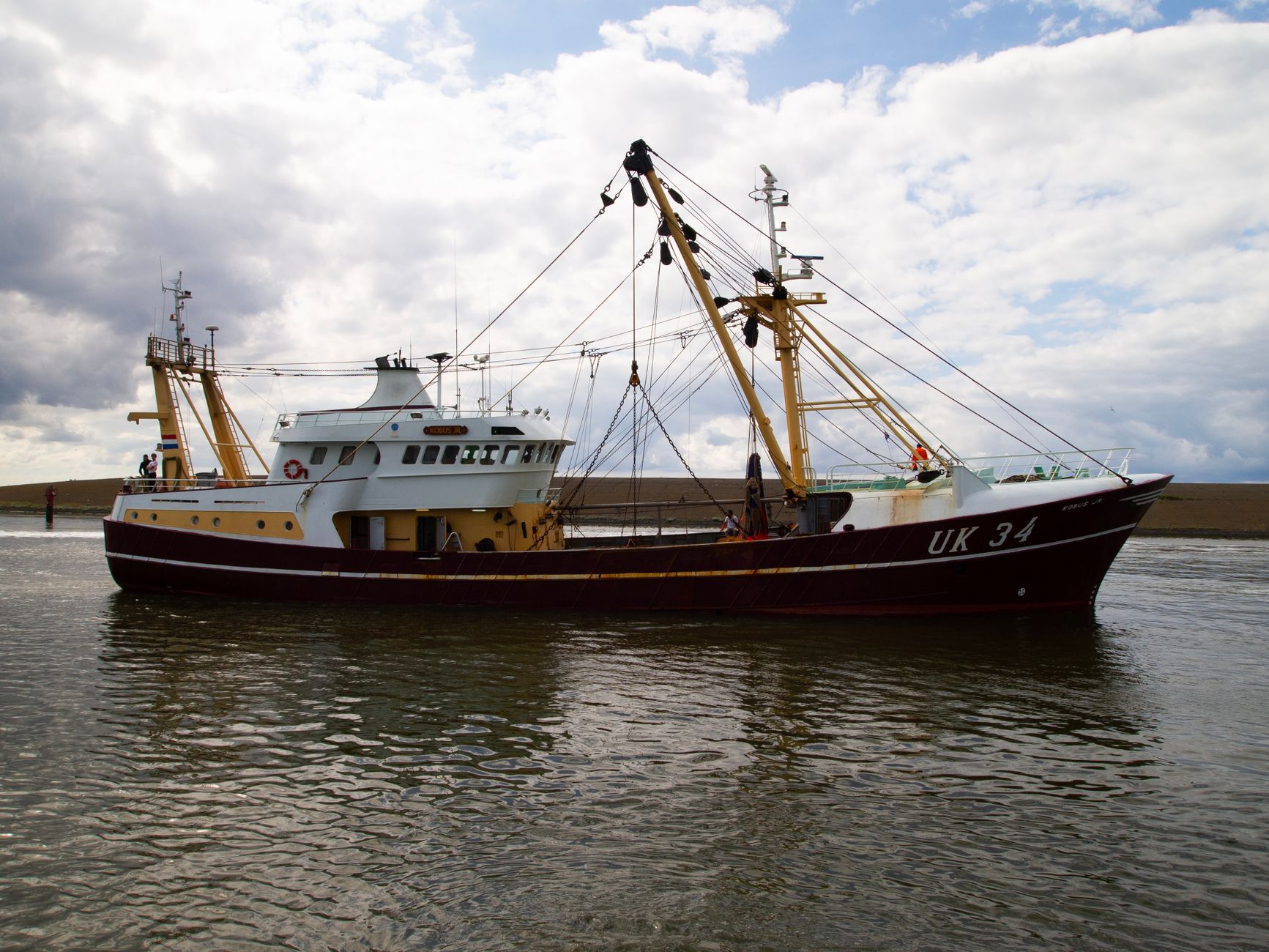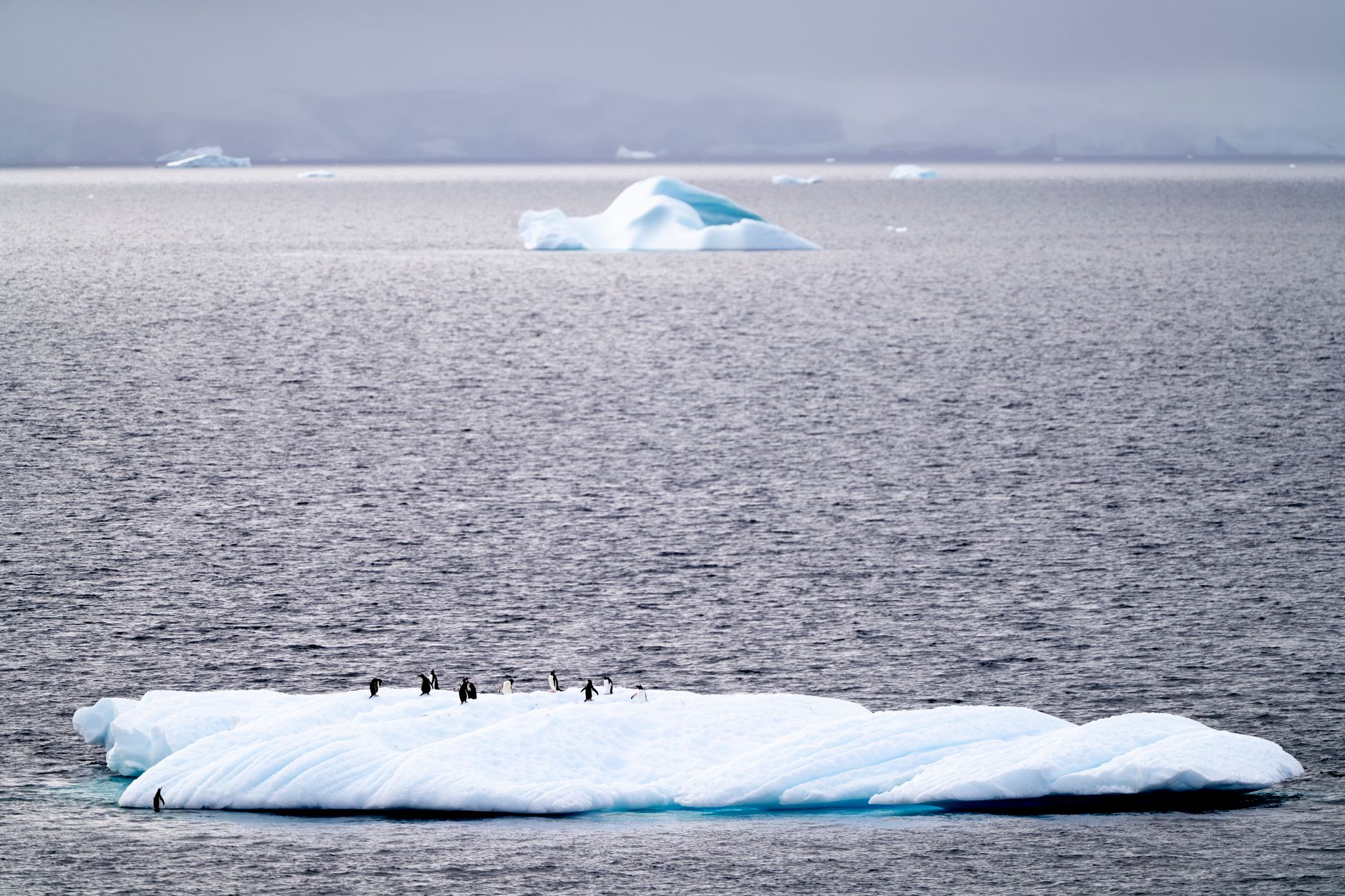
The Antarctic krill fishery is closing in on its catch limit again and is expected to shut before the end of August, the second year running that the season has ended months ahead of schedule.
Last year the fleet hit the 620,000-tonne trigger limit in Area 48 and the fishery closed roughly four months early - the first such closure in its history. A repeat this season would turn what looked like an anomaly into a pattern, and it lands two months before CCAMLR, the body that manages Southern Ocean fisheries, meets in October.
The argument is not really about the tonnage. It is about where the tonnage comes from.
Krill sit at the base of the Southern Ocean food web, feeding penguins, seals and whales, while also supplying a growing market in omega-3 supplements, aquaculture feed and pet food. Total catch remains small against biomass estimates. What has changed is concentration. Conservation Measure 51-07, which spread fishing effort across management zones, expired at the end of 2024 and was never replaced. CCAMLR's own Scientific Committee concluded the resulting concentration of effort was "not precautionary" and called for urgent reform. The 2025 annual meeting produced no replacement.
Sea Shepherd, which has shadowed the krill fleet for three seasons aboard the vessel Allankay, puts a number on that concentration: in Subarea 48.1, a known feeding hotspot for whales, seals and penguins, the fleet took 58 percent of its total catch last season, more than double the proportion of the season before.
The industry rejects the framing. Speaking after last year's closure, Aker QRILL chief policy officer Pal Skogrand argued the trigger is a conservative threshold rather than a warning light.
"Given that the 620,000 MT catch level triggering the closure represents just 11 percent of CCAMLR's Precautionary krill catch limit of 5.61 million MT for Area 48 - and less than one percent of the estimated krill biomass of 63 million MT in that area - this development is hardly the crisis some might suggest," Skogrand said. He added that the ten vessels working the fishery "have maintained use of fishing grounds spread up to 450 kilometers apart, and industry voluntary closures of 30 - 40 kilometer buffers around penguin breeding colonies have also been maintained."
Skogrand also pointed out that Aker has backed a 455,000-square-kilometre marine protected area covering much of the Antarctic Peninsula - a proposal blocked at CCAMLR by China and Russia. "We want to develop this underutilized resource which Antarctic krill is," he said. "But we also want a win for conservation."
Sea Shepherd's chief campaigns officer Peter Hammarstedt calls the biomass percentage a distraction, comparing it to a logging company reporting that it cuts one percent of the world's trees while omitting that all of it happens in the Amazon.
"Super trawlers dragging massive nets through the feeding grounds of whales, in pursuit of the very prey those whales depend upon, cannot credibly be described as sustainable," Hammarstedt said in March. "No label or certification claim can obscure the reality that these products are putting Antarctic whales at risk."
That sustainability label is itself under formal challenge. WWF - a founding partner of the Marine Stewardship Council - objected to the MSC's recertification of the fishery earlier this year and called for a moratorium, a rare move against a body it helped create.
"Antarctic krill are the powerhouse of the Southern Ocean, and mismanagement of the krill fishery is having a major negative impact on the species which depend on krill, such as whales," said Rhona Kent, polar oceans programme manager at WWF-UK. She called for "a review of the sustainability certification issued by the MSC until more precautionary fisheries management measures are agreed by CCAMLR."
The Antarctic and Southern Ocean Coalition lodged a separate objection. "Our objection is about ensuring that the environmental impacts of the krill fishery have been accurately assessed," said ASOC executive director Claire Christian. "This case highlights a clear mismatch between the certification and the contemporary reality of the Antarctic krill fishery."
Several findings raised in those objections have reportedly been upheld by independent assessor ASI, with a response from the certifying body still pending.
The science is thin in places, which suits nobody. Current biomass estimates rest on surveys conducted before recent sea-ice losses. Sea Shepherd has independent researchers aboard this season for the first time, led by Dr Matthew Savoca of Stanford's Hopkins Marine Station and Dr Ted Cheeseman of UC Santa Cruz, running line-transect whale surveys, drone measurements of trawler-to-whale distances and photo identification.
"We think this zone around the South Orkney Islands may have the highest biomass of whales of anywhere on the planet," Cheeseman said.
Earlier this year the IUCN classified both the emperor penguin and the Antarctic fur seal as Endangered, citing declining krill availability under climate change as a risk to ecosystem resilience.
Ahead of October, conservation groups want member states to restore spatial management rules, adopt an ecosystem-based framework and finally designate the Antarctic Peninsula marine protected area.