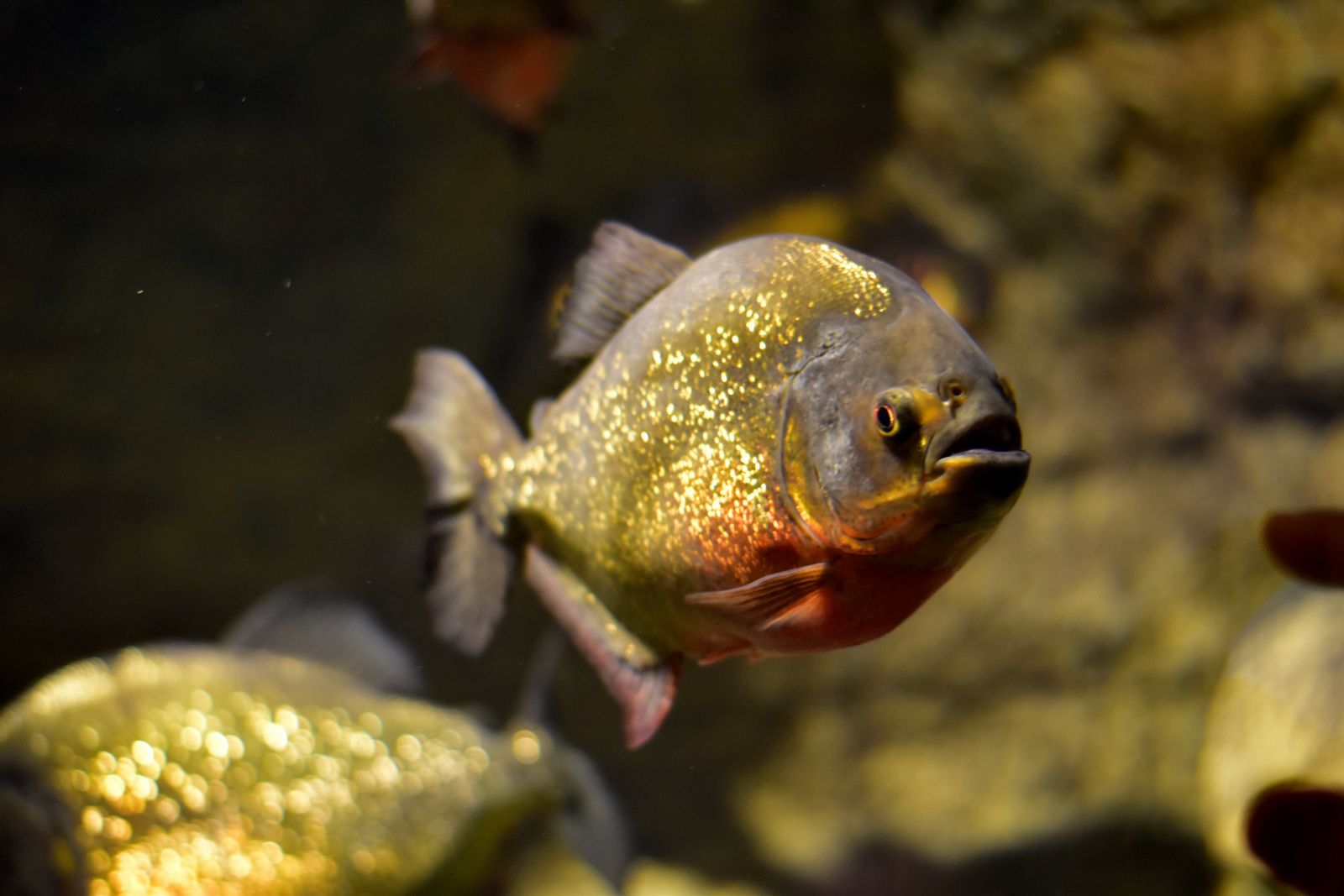
Mike Coffey has been fishing Ridley Park Lake since he was a kid, and now he takes his eight-year-old son Seamus there most weekends. They arrived around 8am on Saturday 8 August, Mike after catfish, Seamus working a micro-rod for bluegill with frozen shrimp. An hour later the boy hooked something that did not behave like a bluegill.
Speaking to the Delaware County Daily Times, Mike remembered coaching his son through the fight: "He's reeling it in. I said, 'slow down you don't want to lose this. It looks like a huge bluegill or sunfish.'"
Seamus, telling 6abc Philadelphia, had a different read on it from the start. "I'm reeling it in, and I think there's a bass," he said.

What came over the bank was neither. "I was like, 'Oh, this is a bluegill, I don't know what this is,'" Mike told 6abc. "And he said, 'It's a piranha!'"
Asked how he knew, Seamus had a one-line answer: "Because I watch YouTube!"
He was right. The Pennsylvania Fish and Boat Commission's first response was cautious. Communications director Mike Parker, looking at photographs before the agency's biologists had weighed in, told the Daily Times only that "it's not something I would want to put my thumb in. It's clearly not native." The identification was confirmed shortly afterwards. "Our biologists have confirmed that this is some species of piranha," Parker said.
The fish went about nine inches and roughly two pounds. The Coffeys normally release everything they catch. Not this one. "So we ended up getting rid of it, humanely," Mike said. Writing on Facebook afterwards, quoted by People, he was more amused than alarmed: "At this point you can't put anything past Seamus. Today he caught a 2lb red belly piranha out of the Ridley Park Lake! Of all things."
The commission's interest is in how it got there. Red-belly piranhas are a common aquarium fish, and Parker said the agency believes this one was introduced recently by an owner who no longer wanted it. It is not the first time a piranha has been reported from that lake, though there had been nothing recent. His frustration is with the logic behind the release, which he argues fails the fish as much as the lake.
"I think a lot of times people have a dream: I want to own an exotic fish or a snake or an alligator, and it's cute when it's small. But maybe they can't afford that or house it anymore, and they decide maybe this is someone else's problem," he said.
"It's a lifelong responsibility for many of these species [...] And people quickly tire of that and decide the best thing to do for this animal would be to go throw it in the river, go throw it in a pond. That is probably the worst thing you can do for an animal that's been a pet."
Mike Coffey reached a similar conclusion from the other end of the line. "People when they want to get rid of them, put them into lakes and you destroy an ecosystem," he said.
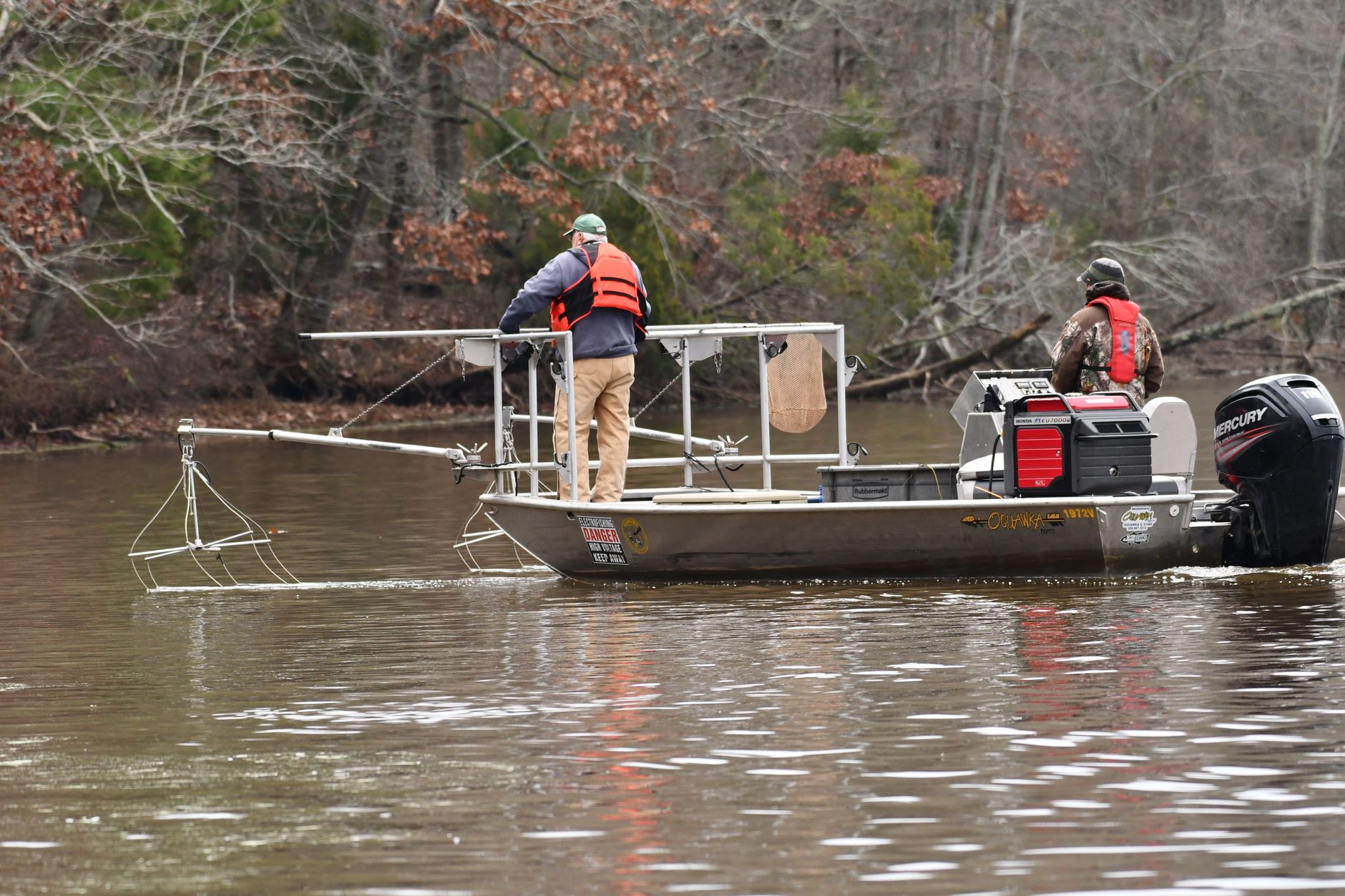
One tropical fish in a Pennsylvania lake in August is not, on its own, an ecological event. Parker said a single released fish has little chance of establishing anything, and that this one would not have survived long in local water regardless. Numbers are what change the arithmetic, and he uses goldfish from a carnival as the everyday version of it.
"A few years later someone catches this fish and there are a bunch," he said. "They are not supposed to be there. We have regulations about managing fish and wildlife. There are no seasons, or sizes or limits for these non-natives. All they do is disrupt the native fish."
The legal position is not ambiguous. "Even if the law says that you're allowed to own an exotic pet [...] you're not allowed to introduce that species into the wilds of Pennsylvania. So that is unlawful. You can be fined, prosecuted," Parker said.
The commission does not expect more piranhas in Ridley Park Lake, but wants any further catches reported. Seamus, for his part, was unbothered by the teeth and has no plans to change hobbies. "Fishing is my favorite thing," he said.
"We've had some crazy fishing experiences," his father added, "but that's definitely number one."