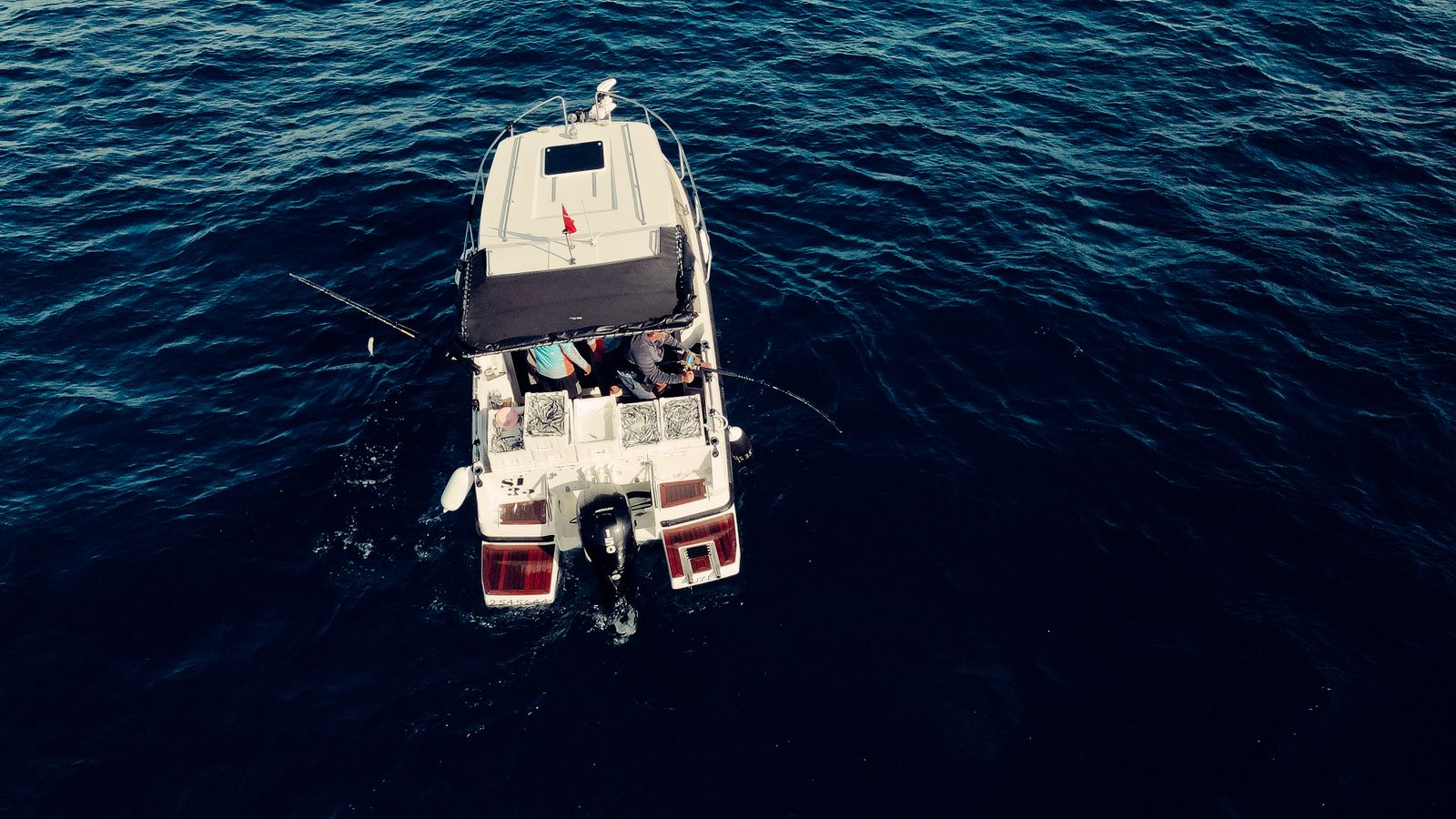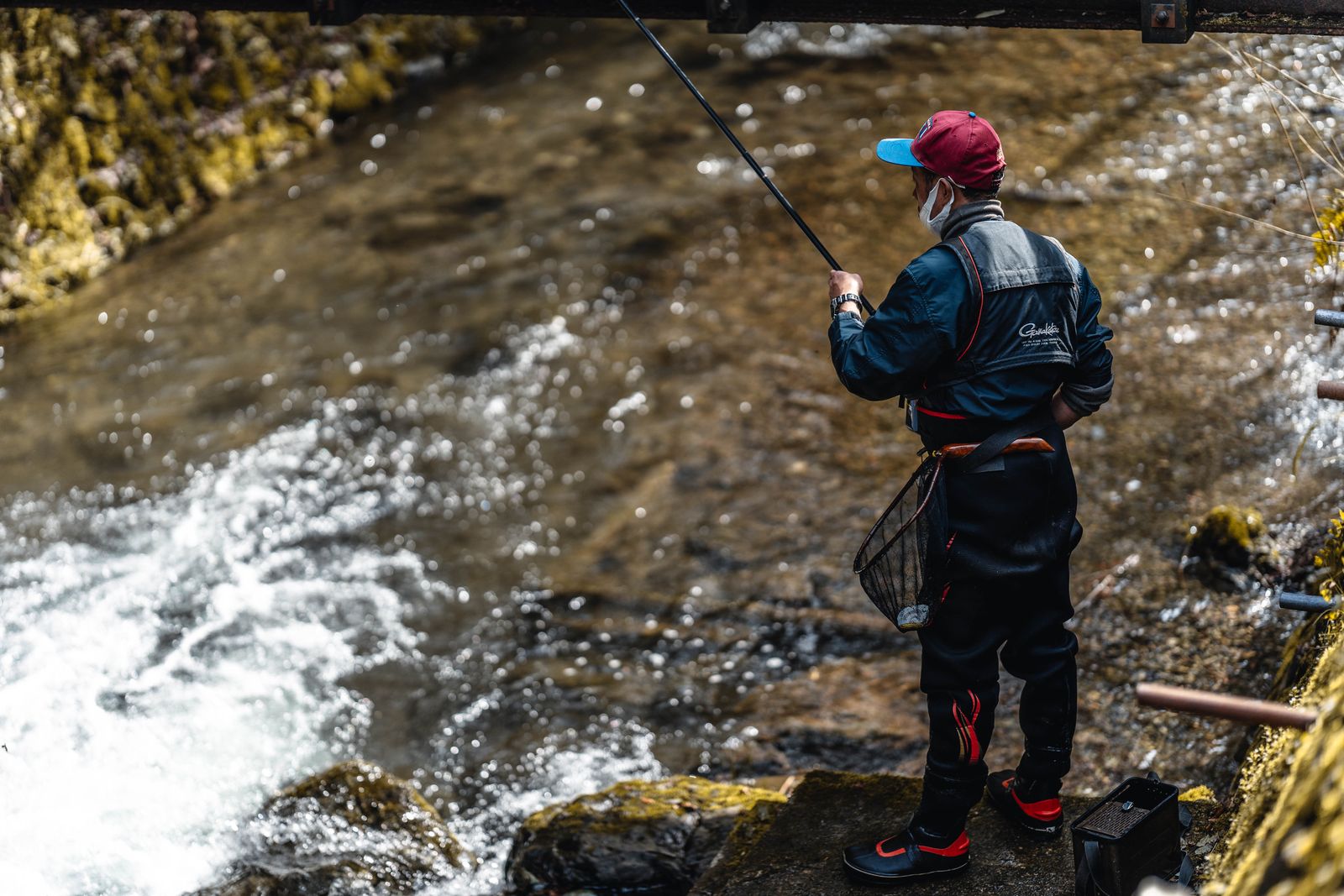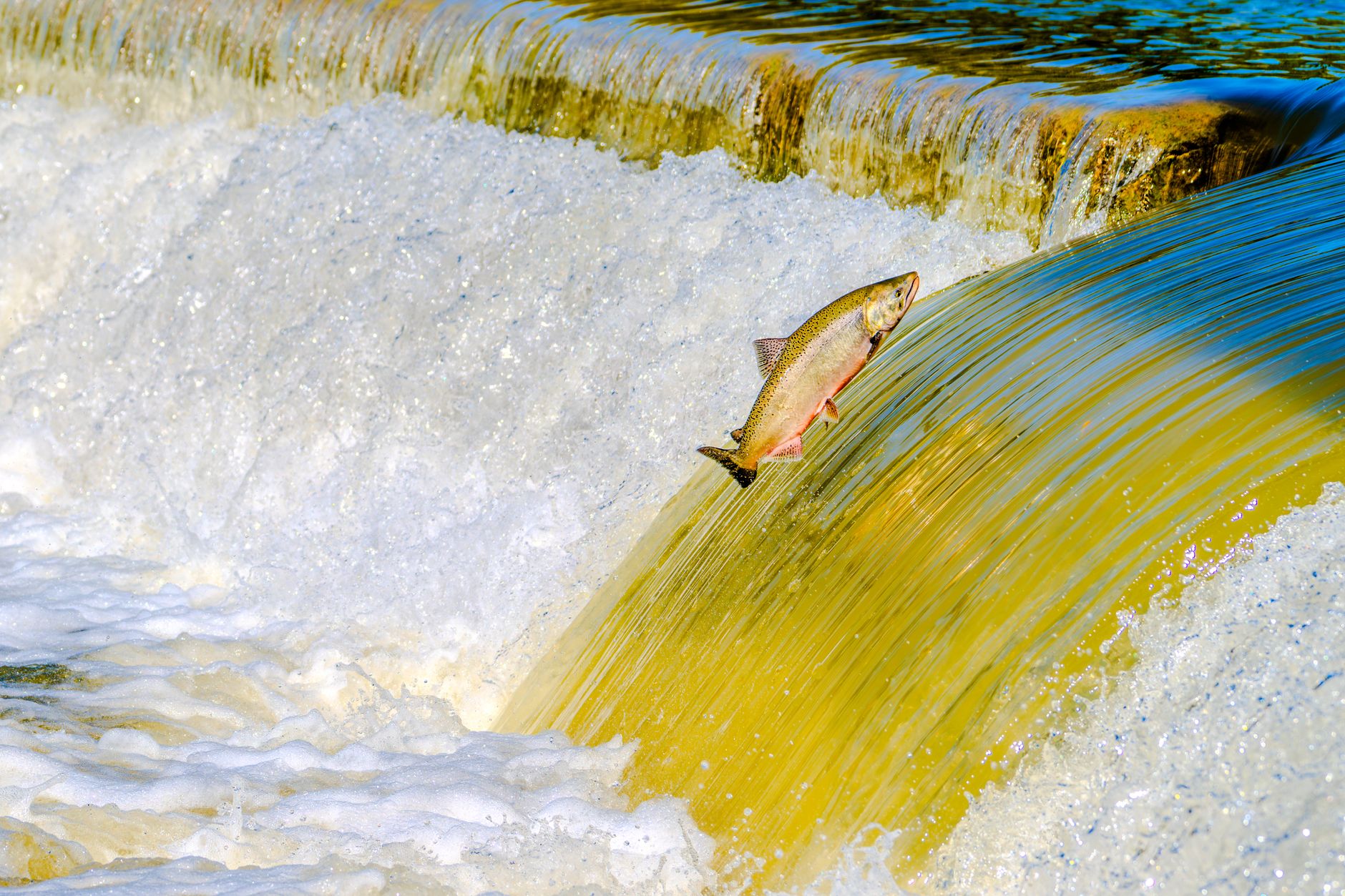
For the first time in almost 30 years, Maine is floating a once-unthinkable question: could anglers ever fish for wild Atlantic salmon here again? The fish has been closed to fishing since 1999 and listed as endangered since 2000.
The opening move is a letter. Maine's Department of Marine Resources has asked federal regulators to weigh whether the Endangered Species Act might hold overlooked tools to accelerate the salmon's comeback. Writing to the National Marine Fisheries Service on June 4, DMR Commissioner Carl Wilson requested that NOAA study whether the statute could "provide additional flexibility to expand Atlantic salmon recovery efforts" without weakening current protections. NOAA acknowledges the letter but has not committed to a review.
The mechanism Maine has in mind is a clause that lets managers label reintroduced populations "nonessential experimental." It has never been tried on a Maine species, though NOAA has used it for salmon and steelhead out West, and other agencies have applied it to gray wolves, California condors and whooping cranes.
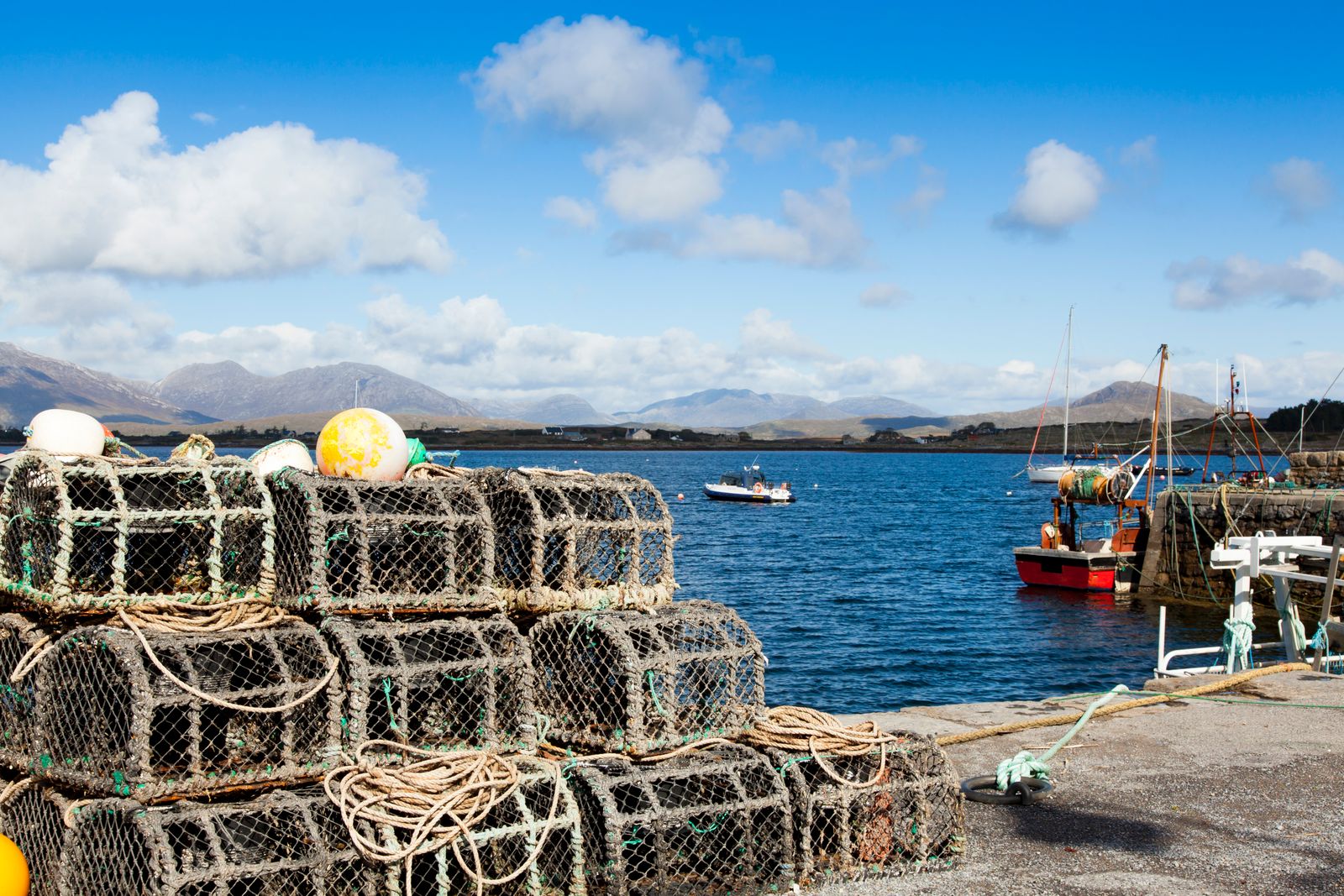
DMR insists recovery, not sport, comes first — while arguing that public involvement could keep the long restoration alive. "Recovery remains DMR's primary objective," said Sean Ledwin, head of the department's Bureau of Sea Run Fisheries and Habitat, but "rebuilding the public's connection to Atlantic salmon and Maine's rivers is also key to sustaining long-term conservation." He noted that "throughout North America, fisheries have often helped create the public support, funding, and partnerships needed to sustain long-term restoration efforts."
The numbers temper the ambition. A 2026 analysis led by NOAA's John Kocik, of the Atlantic Salmon Ecosystems Branch in Orono, found the population still leans on hatcheries, producing roughly 1,689 wild smolts a year against a target of 14,000 to 21,000. The deeper trouble is the ocean: "Low marine survival rate is a main obstacle to recovery," the study found, with wild fish returning at under 1 percent and hatchery smolts faring far worse.
Conservationists are keeping their eyes on the watersheds. The Atlantic Salmon Federation calls its central mission "opening habitat for salmon, removing barriers and improving access." That fight is gaining ground: a deal with Brookfield Renewable and The Nature Conservancy should enable removal of the four lowest dams on the Kennebec, reopening more than 800 miles of stream to migrating fish over about a decade.
The signs aren't all bleak. On the Penobscot, where dams have fallen, the federation logged 561 returning adults in 2021 and 1,324 in 2022. Yet ocean survival has collapsed over 35 years — shifting prey, changing currents and warming seas — and sits mostly outside any state's reach.
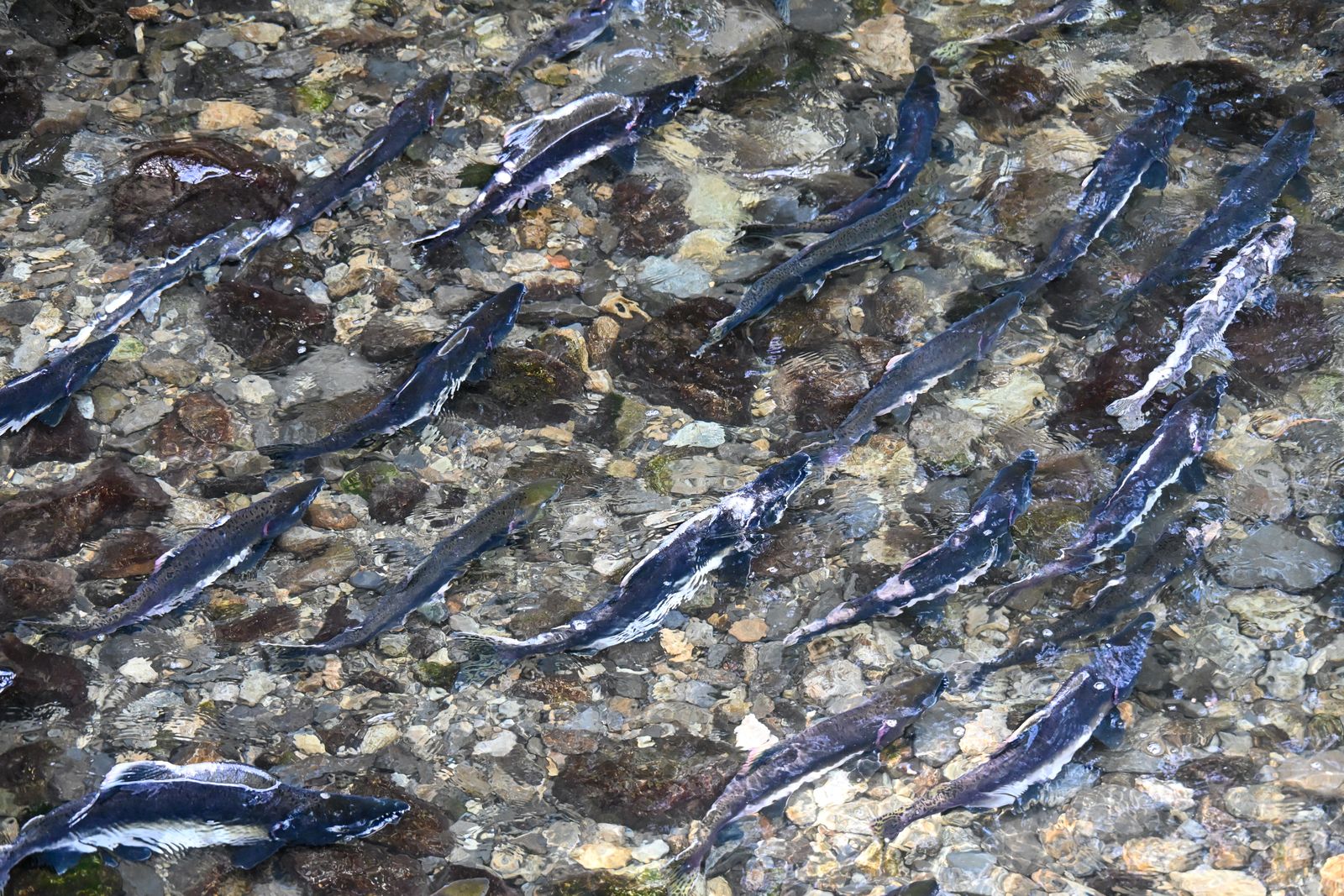
Wilson isn't proposing a season. Even in the rosiest scenario, a "conservation-oriented recreational fishery" would be years off and depend entirely on the fish rebounding first. What Maine is really probing is whether the distant promise of a careful, catch-and-release day on the water can help summon the money and public resolve that recovery still needs.