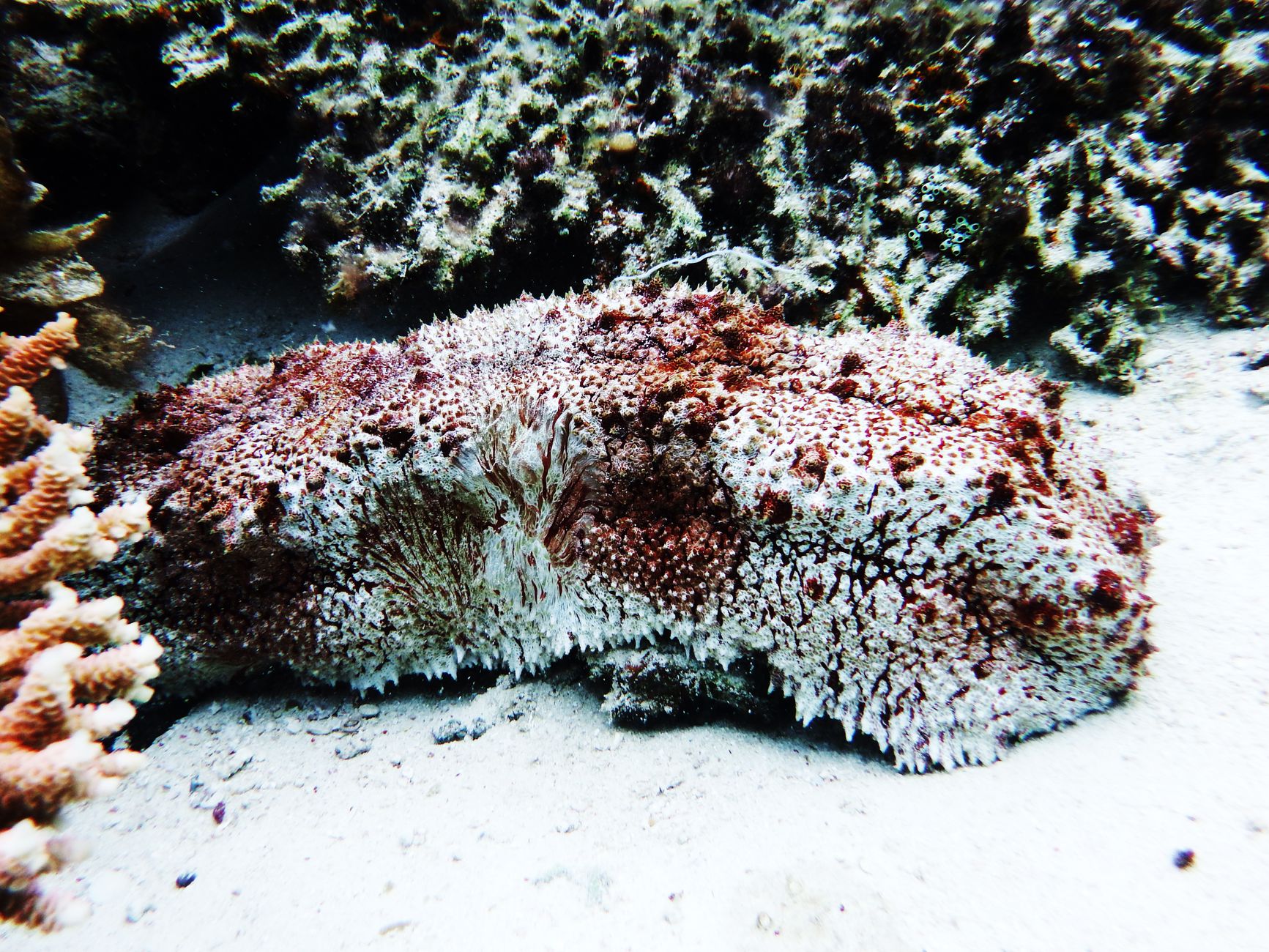
Few marine animals are less glamorous than the sea cucumber — a leathery, slow-moving creature that sifts the seabed for a living. Yet these unremarkable animals now rank among the most valuable and most poached in Australian waters, and scientists warn the country's most remote reefs are being stripped of them.
The clearest evidence sits at the Rowley Shoals, a trio of coral atolls about 300 kilometres off Western Australia. Sea cucumber numbers there dropped by more than 50 percent between 2018 and 2023, and two species — the pineapple and hairy blackfish — are now nearly extinct locally. Researchers and border officials point to the same cause: foreign boats crossing from Indonesia to gather the animals by hand.
What makes sea cucumbers so easy to plunder is that harvesting them takes no equipment at all. "You just pick them up, put them in a basket and keep going," said Teale Phelps Bondaroff, research director at OceansAsia.
The payoff is enormous. Dried into bêche-de-mer for Asian markets, the Japanese spiky sea cucumber can sell for more than $3,500 a kilogram. That kind of money has already wiped out fisheries elsewhere. India outlawed sea cucumber fishing over 20 years ago, and the Galapagos fishery collapsed until it was no longer worth pursuing.
"It's really difficult to have any form of sustainable sea cucumber fishery," said CSIRO research scientist John Keesing, who counts Australia among the last places with healthy stocks. "We have some of the last pristine populations of sea cucumbers."
Stopping the poaching is another matter. From 2021 to 2023 the Australian Border Force intercepted 112 vessels and seized roughly 22 metric tons of sea cucumbers — between 33,000 and 45,000 animals. Operation LUNAR, a bigger enforcement push begun in late 2024, has since stopped more than 100 foreign boats and arrested dozens of Indonesian fishers. Keesing, though, is realistic: "Your chances of not getting caught if you're an illegal fisherman are unfortunately pretty good."
The consequences may run deep. Sea cucumbers recycle nutrients and churn seabed sediment, and the fallout from losing them is only beginning to be understood. "We're just starting to learn how important they are," said Alison Hammond, a researcher at the University of the Sunshine Coast, adding that the damage may be slow to appear. "These effects can be way down the line."
Closer to the coast, the picture is no better. In Hervey Bay, inside the Great Sandy Marine Park, more than a year of searching produced just two golden sandfish, a species that was once common. Sea cucumbers grow slowly and spawn by releasing eggs into the water — a method that fails once too few remain near one another. Take enough away, and the population can no longer rebuild itself.