New York has finally put a number on its competitive bass scene, and the debut count caught its own biologists off guard.
The state's Department of Environmental Conservation ran its bass tournament permitting and reporting system for a first full year in 2025, issuing 802 permits — 81 percent of them to New York organisations. Directors reported back on 83 percent of events, spread across 98 different waterbodies.
Where those tournaments clustered was the eye-opener. Lake Champlain topped the list with 72 permitted events, as expected. The shock was second place: Onondaga Lake, a compact and formerly heavily polluted water outside Syracuse, drew 48 tournaments even though Champlain holds close to 200 times as much water.
"It's pretty crazy," said Jeff Loukmas, who leads the DEC's warm water fisheries unit. "I personally was not expecting to see that, because Onondaga isn't one of these lakes that's in the national spotlight."
Behind the leaders came Oneida Lake (45 permits), Cayuga Lake (45), Conesus Lake (43) and the Erie Canal (34). Nine in ten permits were for motorised boat events; kayak and open shore-or-boat tournaments split the rest evenly at 5 percent each.
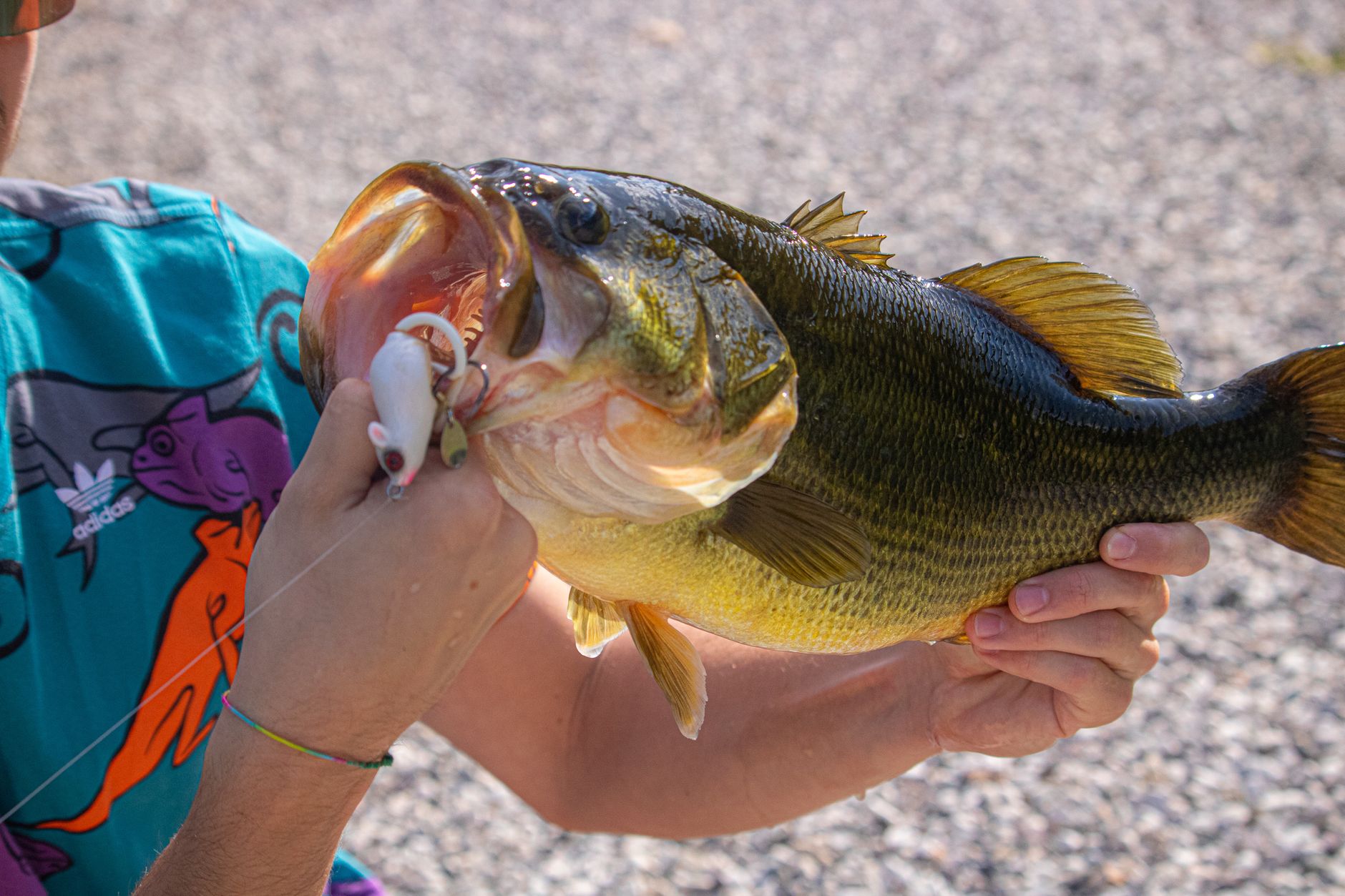
The fish backed up the traffic. Reported tournaments weighed 51,105 black bass in total — 29,093 largemouth and 22,012 smallmouth. Cayuga Lake produced the biggest largemouth at 8.5 pounds and 22.2 inches, the St. Lawrence River gave up an 8-pound smallmouth, and North Sandy Pond in Oswego County yielded a 22-inch smallmouth.
Onondaga again punched above its size, ranking second in the state for the average weight of its largest largemouth (5.74 pounds) and kicking out a 7.9-pounder during the season — impressive for a lake once treated as an industrial dumping ground.
Loukmas said the anglers deserve the credit for the reporting rate. "Tournament directors in general have been really good about it," he said. "They've really bought in."
The point of the exercise is management. New York has always attracted tournament crowds without anyone tracking the volume. It sits "in the national spotlight" for bass, Loukmas said — "we get a lot of tournament attention, and we just didn't have a means to understand what the extent of that activity is."
Even catch-and-release events leave a mark. Of the permitted tournaments, 690 hauled fish to a central weigh-in, while 112 used catch-measure-release formats that keep fish where they are caught. Delayed mortality and the relocation of bass to ramps have long worried fisheries scientists, and knowing who fishes where is the first step to gauging the impact. The upshot from year one is encouraging: plenty of productive lakes, strong reporting, and a comeback story in a water many had given up on.