Four 50-tonne steel towers have been lowered onto the sandy seabed off northern New South Wales, the centrepiece of a $2.7 million wager that engineered structures can convert barren bottom into fish-holding country off Ballina and Coffs Harbour.
Each of the two offshore artificial reefs carries a $1.35 million price tag and joins the state's growing offshore reef network. The steel was built by NSW firm SMC Marine, with the modules assembled in Queensland and towed hundreds of kilometres south over several days before being scuttled. Each structure covers a 15.6-metre square, rises 12 metres off the bottom and weighs 50 tonnes, and the pairs sit about 100 metres apart in roughly 32 metres of water. Ballina's reef dropped on 30 March, 3.5 kilometres off Patchs Beach, while the Coffs structure was sunk south of town and built to survive a one-in-100-year storm.
Agriculture and Regional NSW Minister Tara Moriarty framed the reefs as a win for anglers and the regional economy alike.
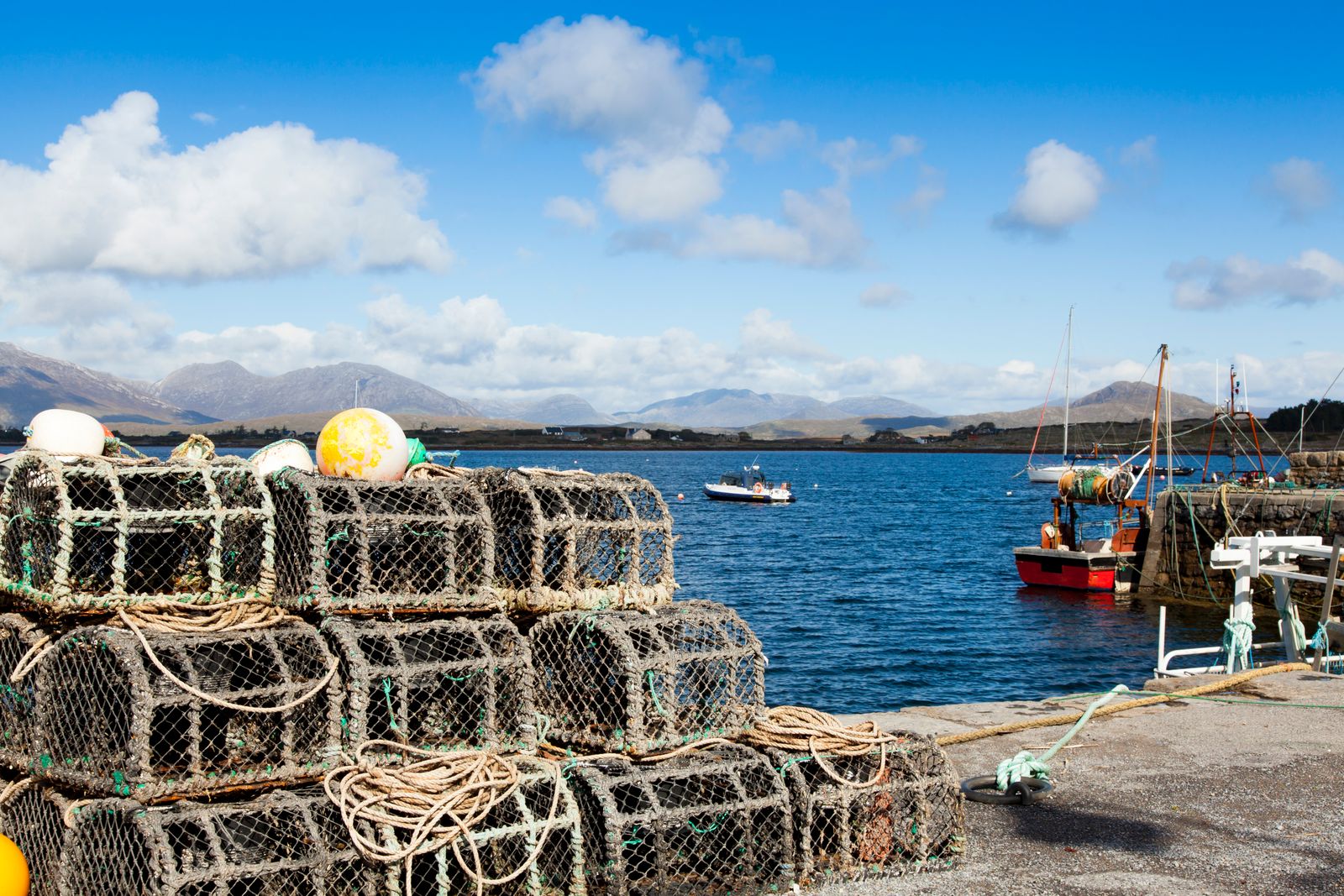
"The new Offshore Artificial Reefs at Ballina and Coffs Harbour are set to become a major drawcard, providing fantastic fishing opportunities for locals and visitors eager to catch a variety of fish species," Moriarty said.
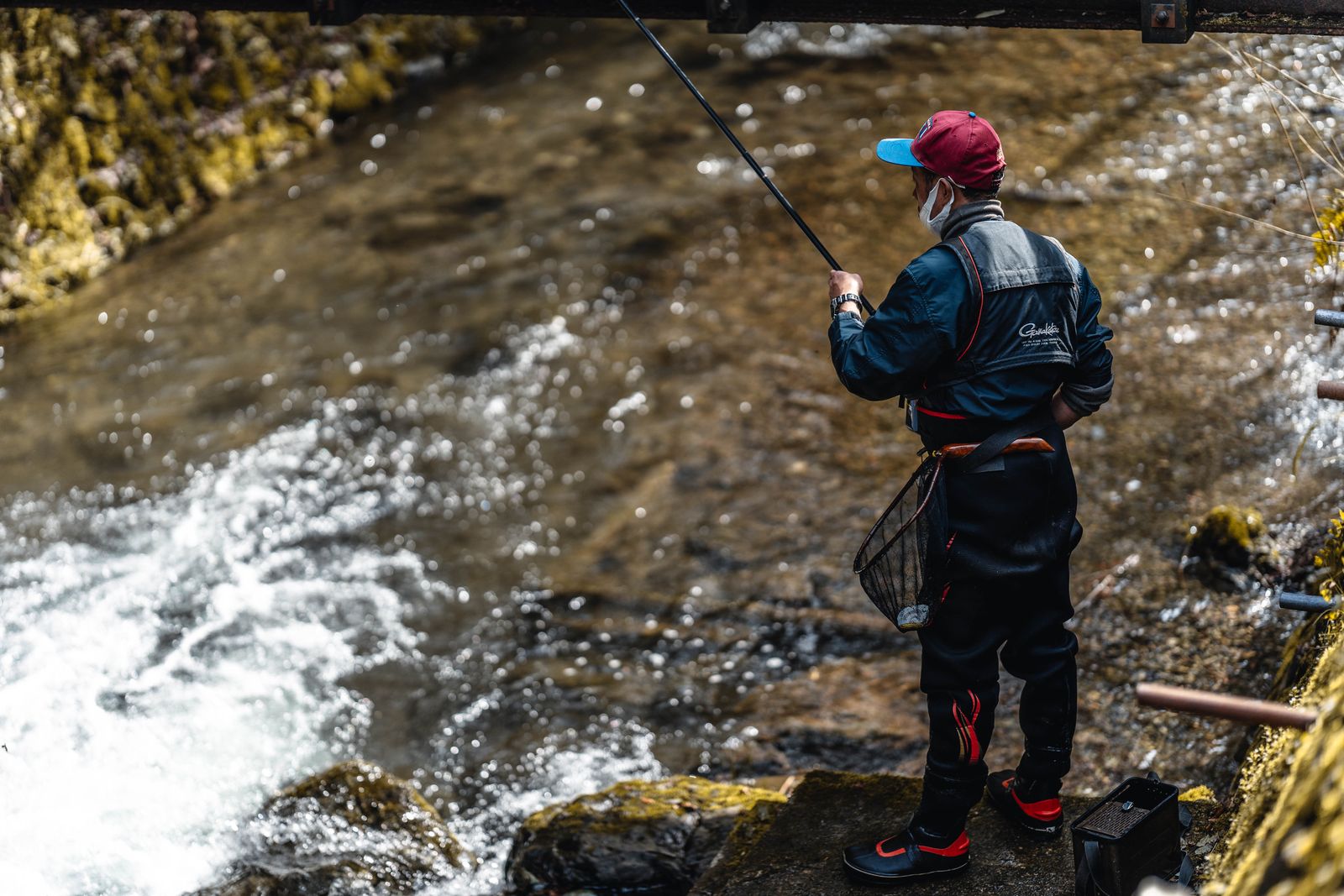
She linked the outlay to what the pastime is worth. "Recreational fishing contributes $3.4 billion to the NSW economy each year and these reefs will only further that economic impact," Moriarty said.
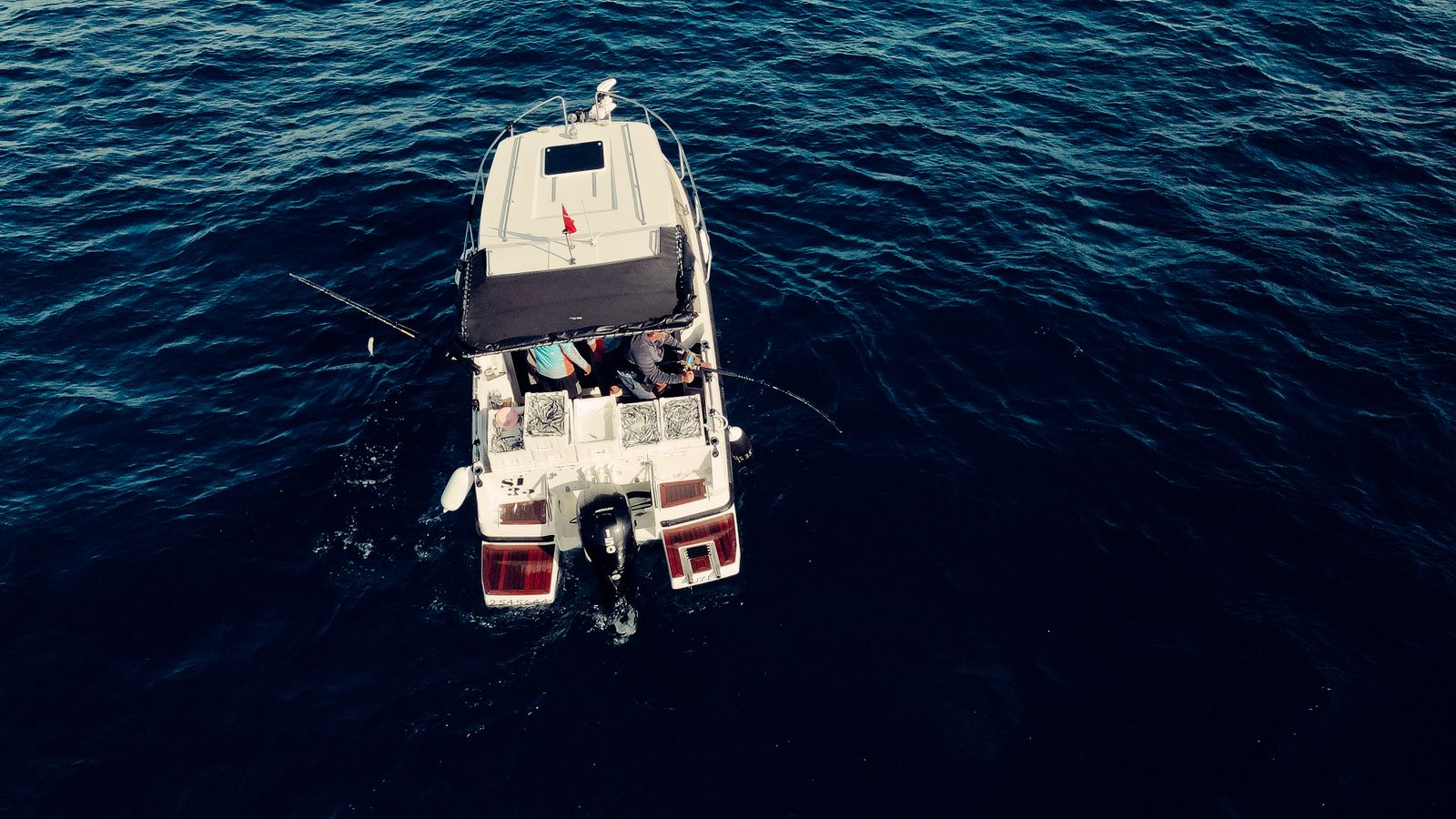
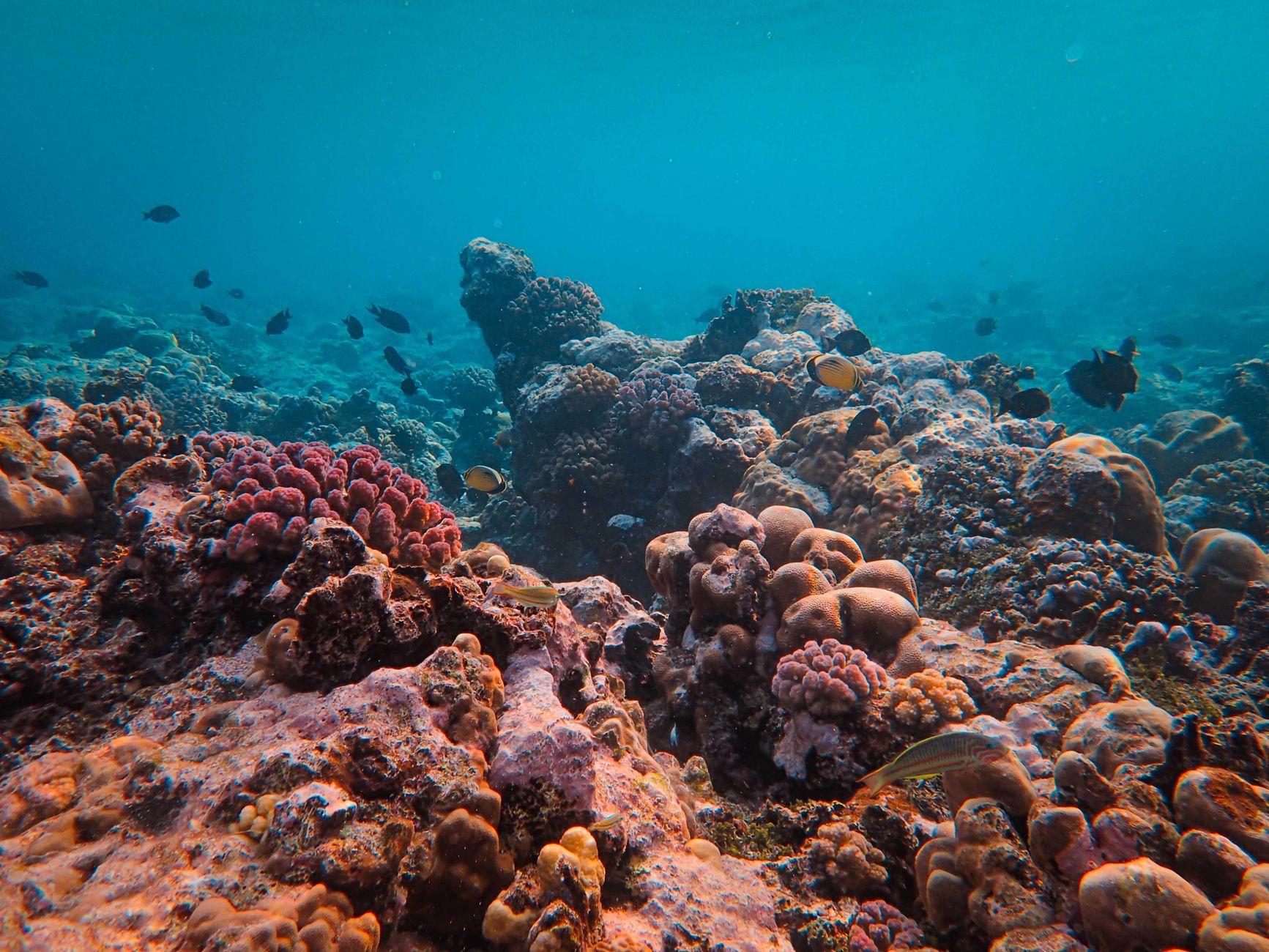
Money for the work came from the Recreational Fishing Trust, funded by licence fees, and the Marine Estate Management Strategy. The reefs are meant to attract mackerel, snapper, mulloway and baitfish, with marine growth expected to settle on the steel inside about a year. Diving is off the table — the department strongly discourages recreational scuba on its purpose-built reefs on safety grounds.
North Coast MP Janelle Saffin said the benefit would reach well beyond the water.
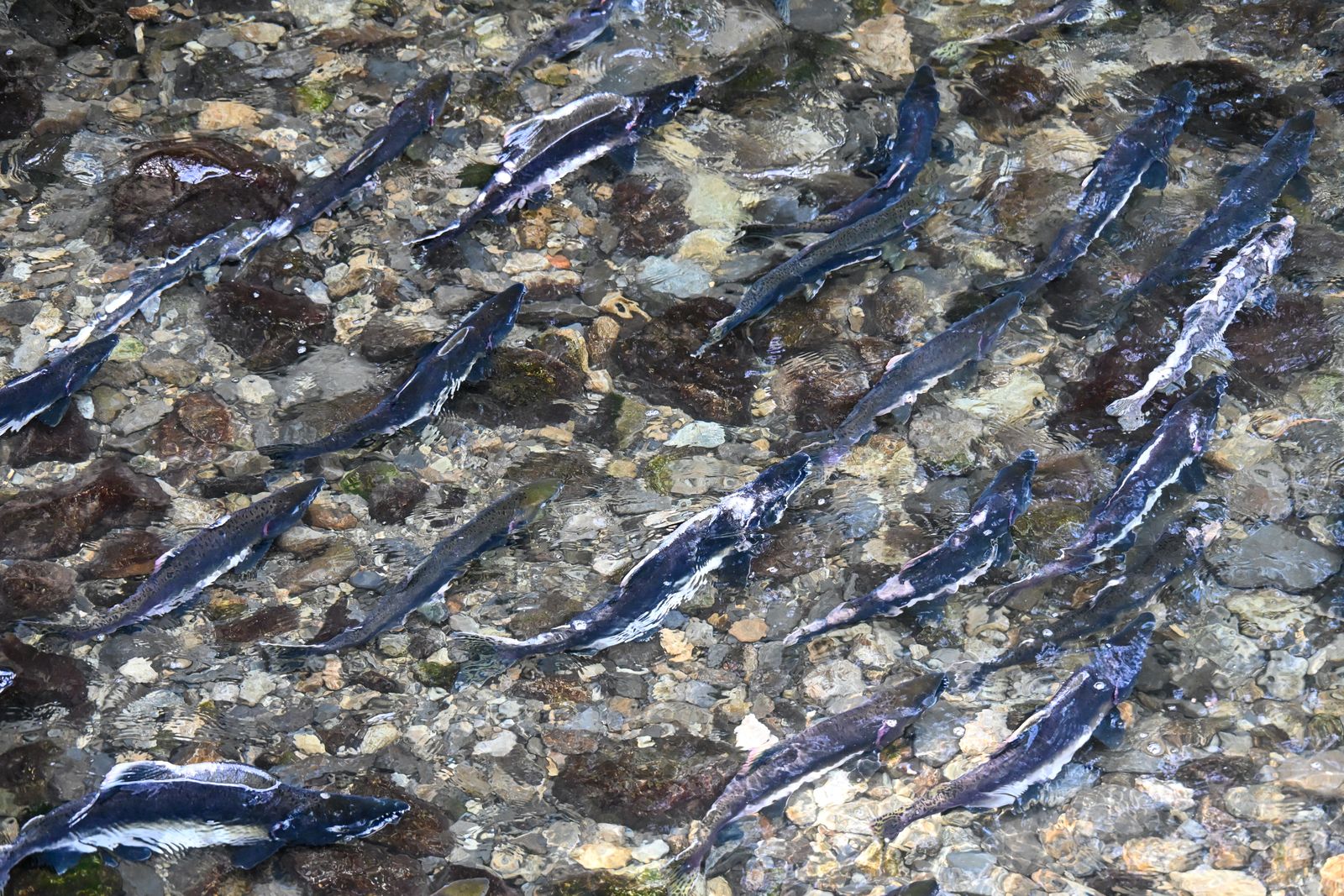
"This is a big win for the North Coast. These reefs aren't just about what's happening under the water; they are about the flow-on effects for our local small businesses," Saffin said.
Lands and Property Minister Steve Kamper pointed to the public land beneath the waves. "Crown land plays an important role not just on land, but offshore as well," Kamper said.
Not everyone in the science community is uniformly sold. Researchers have spent decades debating whether artificial reefs genuinely create fish or merely gather up the fish already nearby — the "attraction versus production" question. Where reefs mostly concentrate existing stock, some scientists caution, they can become an ecological trap, making fish easier to catch and pushing up fishing mortality without lifting the population. A 2020 meta-analysis in Frontiers in Marine Science took a measured view, finding artificial reefs can be effective at enhancing fish communities but are "not one-size-fits-all," with outcomes depending on species, design and the habitat around them.
For fisheries managers, part of the appeal is simply spreading anglers out — handing trailer-boat crews a dependable offshore mark near port and easing the crowds on natural reefs. Whether Ballina and Coffs turn into true fish factories or just the next popular place to wet a line will only become clear once the marine life arrives and the catch records start to build.