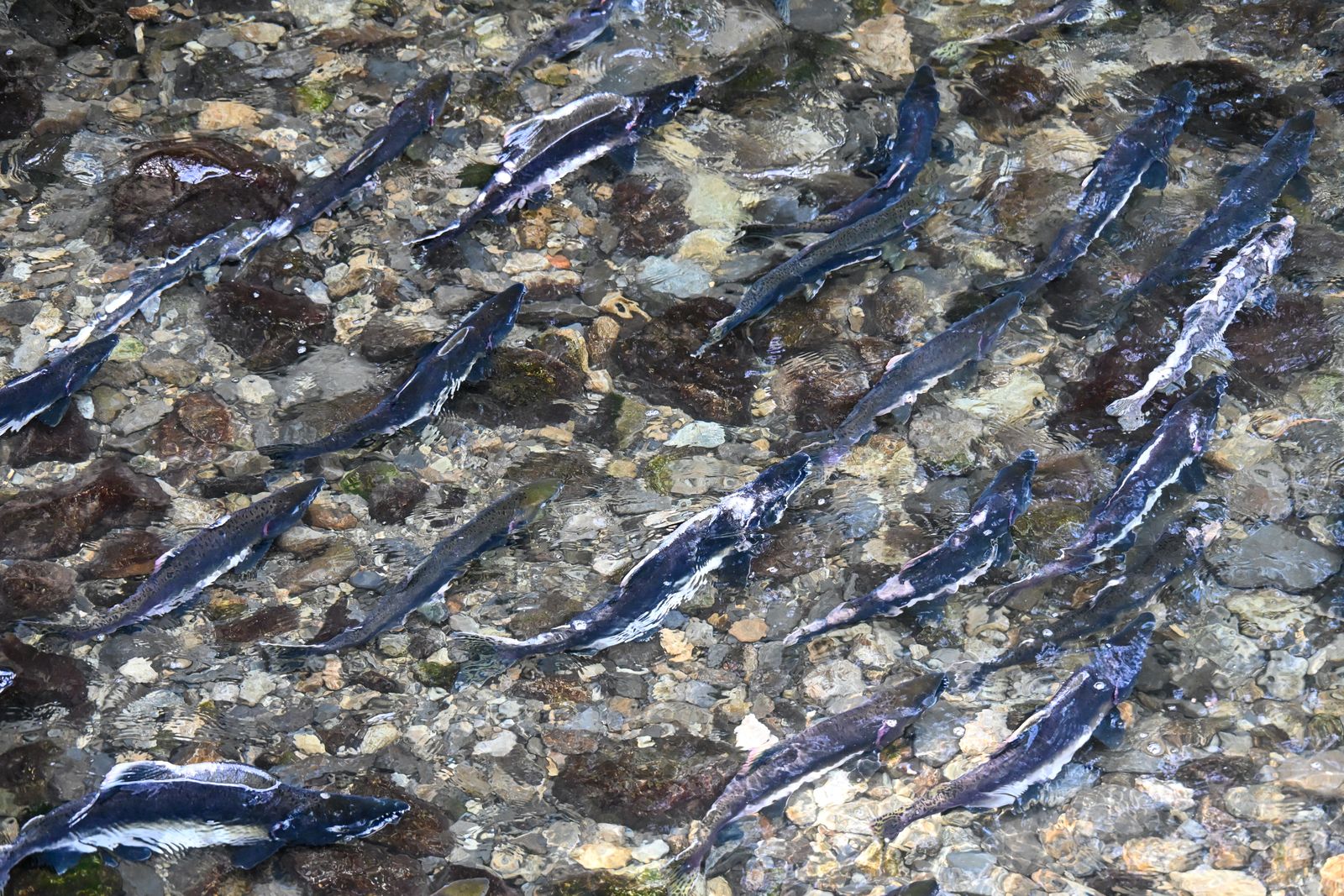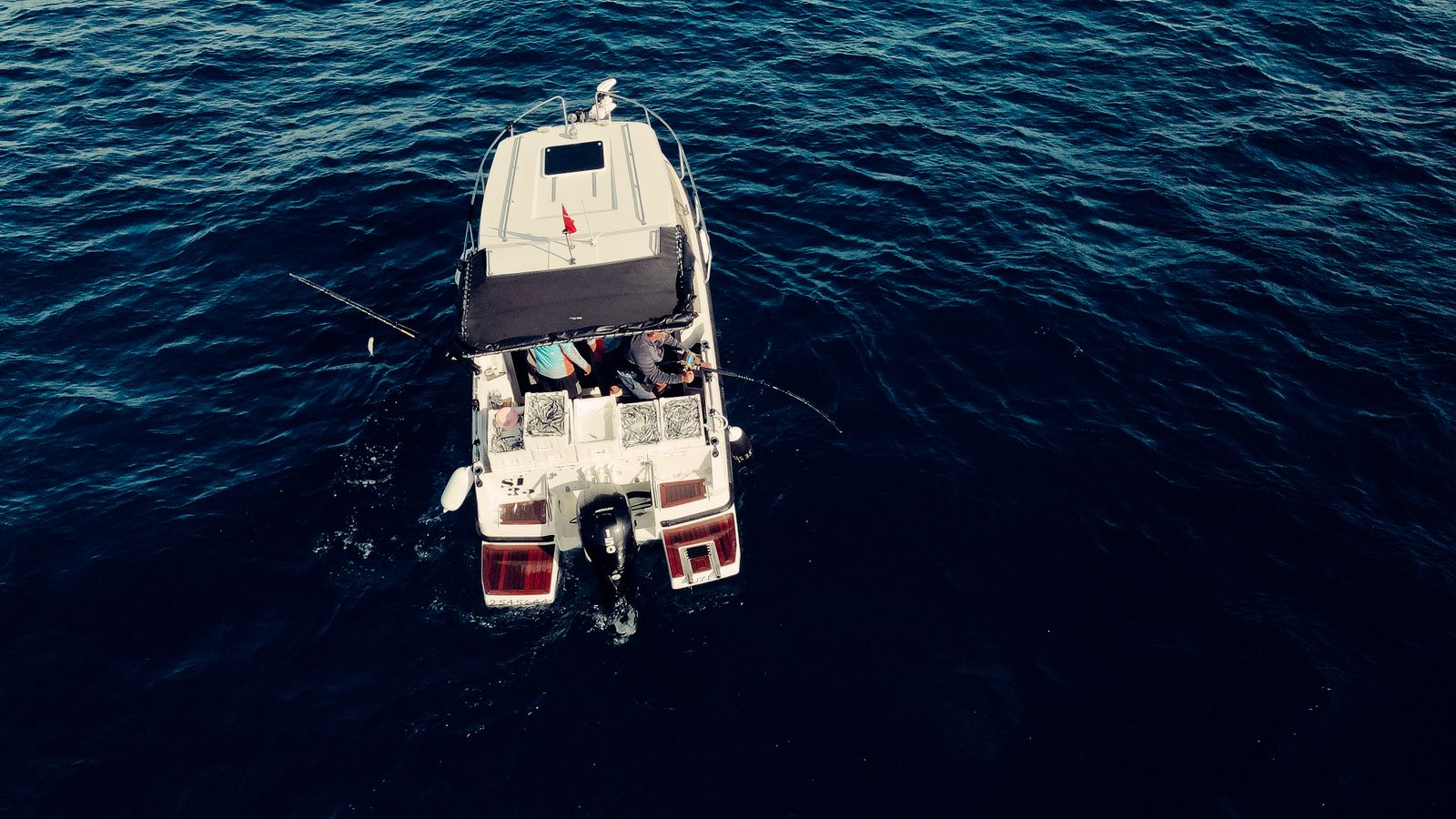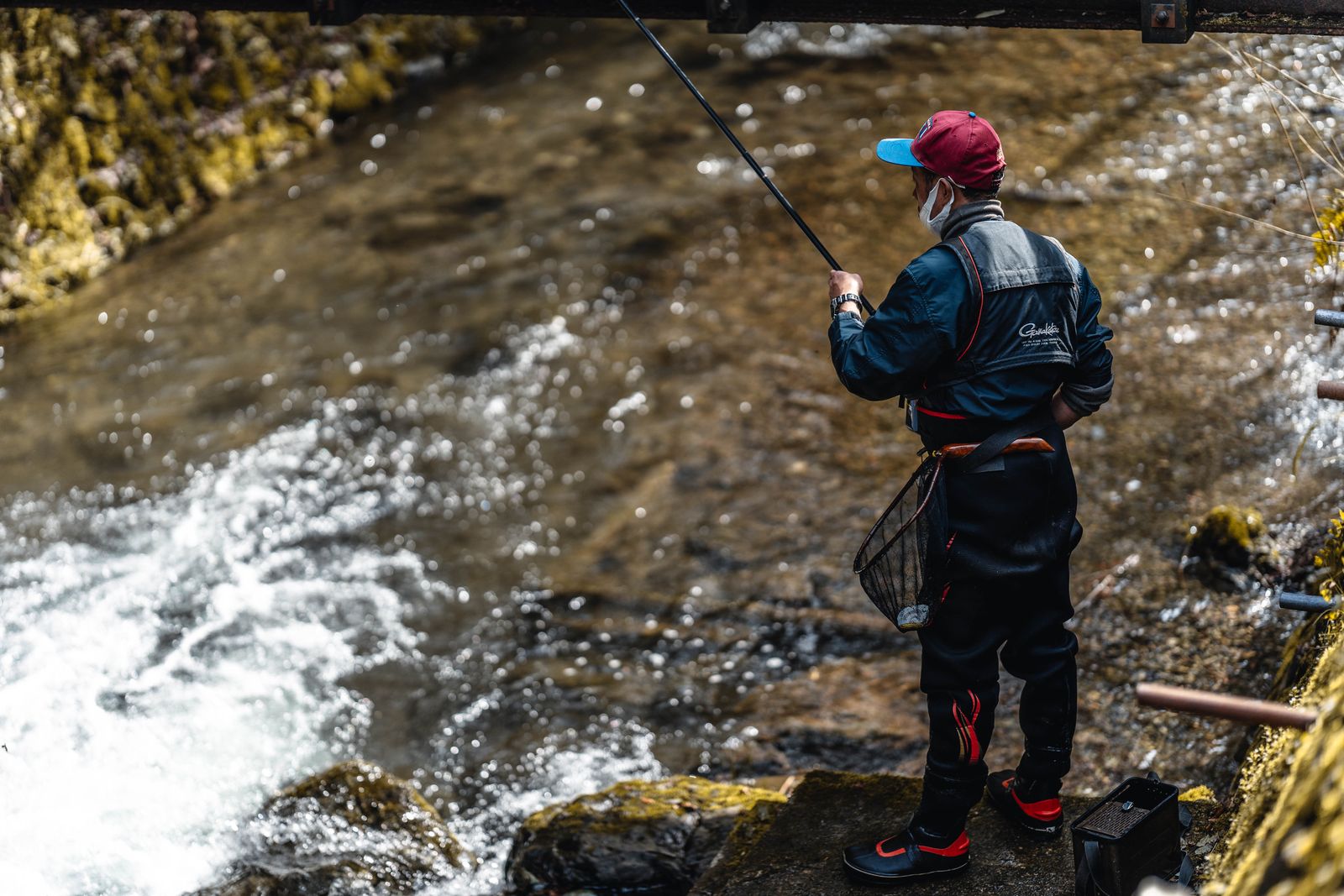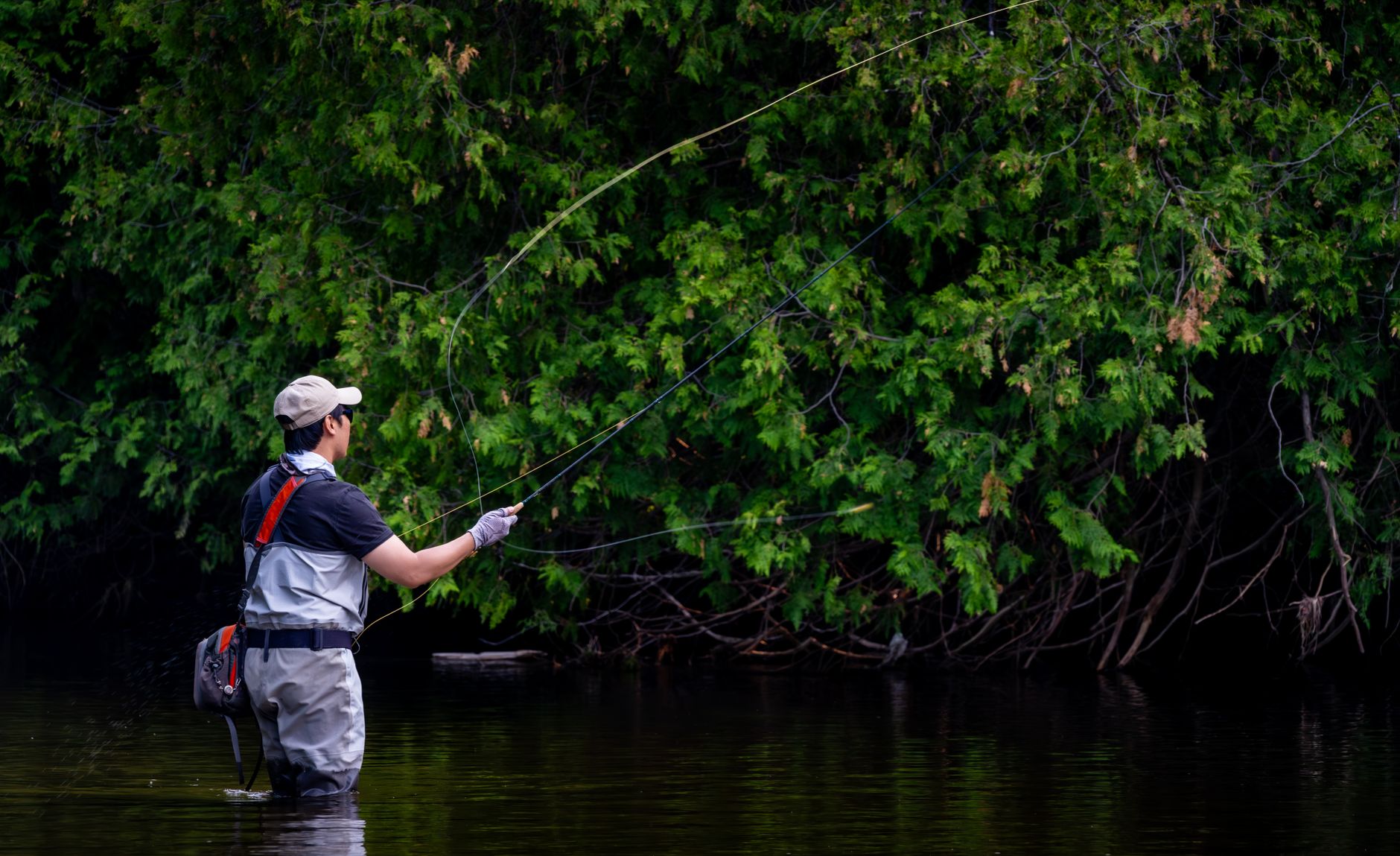
A punishing stretch of July heat has shut trout streams and killed thousands of fish in parts of the country separated by nearly 2,000 miles, as river temperatures pushed beyond what cold-water species can tolerate.
Yellowstone National Park moved first. From July 9, the park barred fishing on some of its most famous trout water — the Madison and its tributaries, the Firehole and its tributaries, and the Gibbon below Norris Campground — between 2 p.m. and sunrise. Rangers said those rivers had warmed past 68 degrees Fahrenheit on low flows, and with highs forecast near 90, the mix had turned deadly for the park's wild and native trout. Anglers were urged to fish early, bring fish to hand fast, handle them in the water and let them recover before releasing. The park's lakes, including Yellowstone Lake, stay open sunrise to sunset.
Montana matched the move within days. Montana Fish, Wildlife & Parks triggered "hoot owl" limits at 2 p.m. on July 11, closing rivers from 2 p.m. to midnight — among them the lower Madison, the Madison above Hebgen Reservoir, the lower Beaverhead and the Sun. "These restrictions are designed to protect fish that become more susceptible to disease and mortality when water temperatures warm," the agency said. Its drought policy is triggered once daily highs hit at least 73 degrees for three straight days; 77 degrees, FWP warns, can kill trout outright.
The eastern edge of the same heat dome left a grimmer scene. On Maryland's Potomac, Fourth of July temperatures drove the water to a record 94 degrees above Little Falls — the hottest since the site's records began in 1988 — while USGS gauges spiked to 98.4. More than 21,000 fish died along about 14 miles of river in Montgomery County, between Violette's Lock and Whites Ferry.
State environmental investigators ruled out a spill or pollution. They blamed a "summer turnover," when warm surface water and cooler deep water abruptly mix, layered on top of drought-thinned flows and extreme heat that left fish easy prey for parasites and bacteria. Golden redhorse suckers, a native species, made up most of the loss.
For guides, the shutdowns are now a fixture of high summer. Montana outfitters say they scatter trips across the Flathead, Clark Fork, Missouri and southwestern rivers, and rebuild the day around dawn rather than cancel, easing pressure on water already strained by warmth.
The thinking behind every closure is the same: clear anglers off before afternoon, when warm water carries the least oxygen and a released fish is least likely to survive. Yellowstone says its restrictions hold until the rivers cool — and could widen if the heat doesn't break.