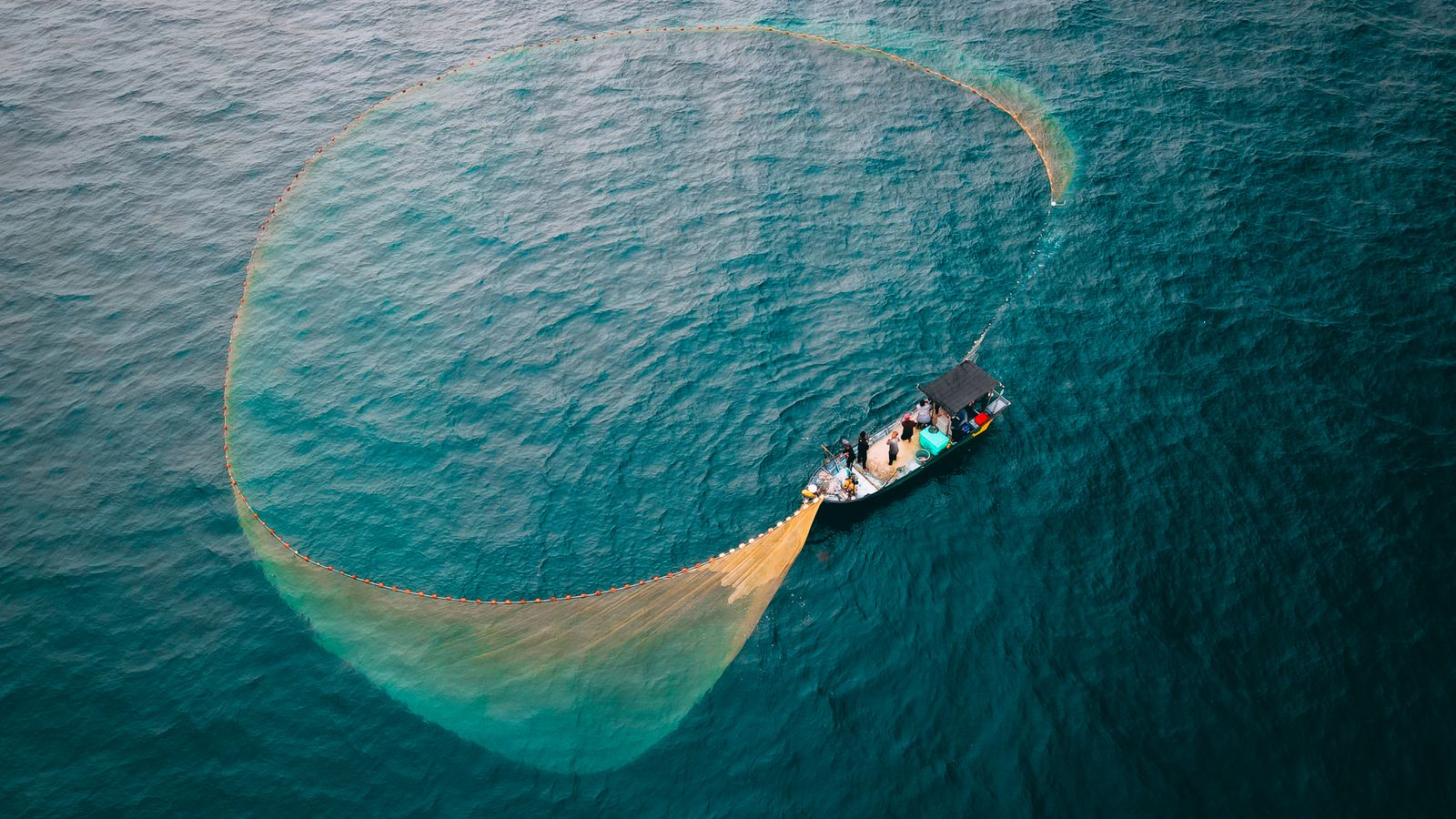
A long-running fight over who gets Cook Inlet's salmon has tilted toward Alaska's northern rivers, and the commercial fleet that has worked the inlet for decades is preparing to push back in court.
At a meeting in Anchorage in March, the Alaska Board of Fisheries voted 4-2 to overhaul the management plan for the Central District drift gillnet fishery, the fleet that intercepts sockeye bound for the Kenai and Kasilof rivers. Board member Mike Wood recused himself. The goal written into the regulation is to "minimize the harvest of Northern District salmon and Kenai River coho salmon in order to provide all users with a reasonable opportunity to harvest these salmon stocks."
The trigger was three years of shortfalls in the north. Coho returns to the Deshka and Little Susitna rivers, Matanuska-Susitna Borough waters popular with sport and personal-use anglers, missed their escapement goals three seasons running.
"Northern Cook Inlet coho salmon escapements have declined with increased use of the central district drift gill net fleet to harvest large returns of Kenai and Kasilof river sockeye during the past three years," said Andy Couch, a Mat-Su fishing guide who has pushed for the changes.
Under the new plan, the drift fleet keeps roughly its weekly hours but loses ground. Regular periods are tightened, no opening can run longer than 16 hours, and once the sockeye harvest drops below three percent of the seasonal total in early August, drifters are pushed out to Areas 3 and 4 on the inlet's west side. The centerpiece for everyone else is a Conservation Corridor down the middle of state waters, opening June 19 and running until the season closes by emergency order, designed to let coho slip north without meeting a wall of nets.
"All those folks who decide to meet the federal regs and fish in the federal waters on a particular day, we cannot put our net in the water," Maw said. "We will get a federal ticket, even though we're fishing legally under state regs in state waters. And that's a problem, and it needs to be worked out."
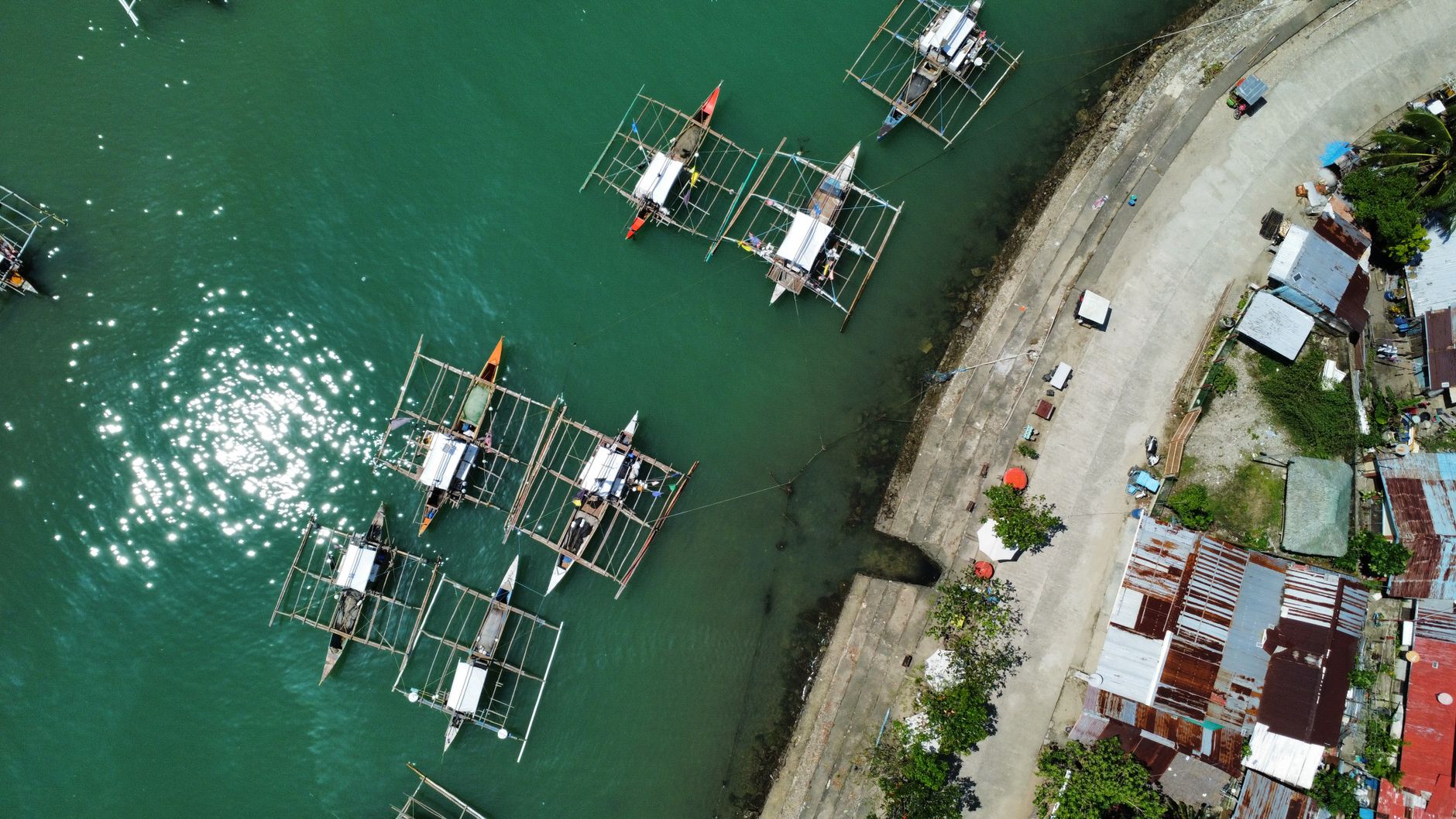
Board member Tom Carpenter pushed back on making that the board's problem. "It's really not the prerogative of this board to deal with what happens in the EEZ," he said, adding that the situation "also kind of confirms ... that fishermen do have the choice to fish where they want."
Not everyone on the winning side is declaring victory. Pete Probasco, who chairs the Mat-Su Borough Fish and Wildlife Commission and once managed commercial fisheries for the state, cautioned that depleted northern coho stocks will take time to rebuild even with the new protections in place.
The wider salmon picture is grim enough that the board's move lands in an already restricted season. Most wild king salmon sport fishing was shut down from May 1, and the upper inlet's salt waters are closed to kings through mid-August. "King salmon runs in Cook Inlet are anticipated to be poor in 2026," said Samantha Oslund, an area management biologist for the Alaska Department of Fish and Game.
Couch thinks the rewrite finally gives the north a real chance. The plan, he said, "may allow a realistic opportunity for all Northern Cook Inlet coho and sockeye salmon stocks ... to attain annual sustainable escapement goals without requiring inseason sport fishery emergency restrictions." Whether it survives the drift fleet's day in court is another question entirely.