The Atlantic States Marine Fisheries Commission voted on 5 August to send Draft Addendum II to public comment, putting the size of the Chesapeake Bay menhaden reduction fishery cap in front of anglers, watermen and plant workers for the first time since the fight began in earnest last autumn.
The addendum is not a decision. It is a menu. The options on the table would cut the existing 51,000 metric ton Bay cap by anywhere from nothing to 50 percent, automatically tie the Bay cap to future swings in the coastwide total allowable catch, and require Virginia to split whatever cap remains into seasonal quota periods so harvest is spread through the season rather than concentrated in a few weeks.
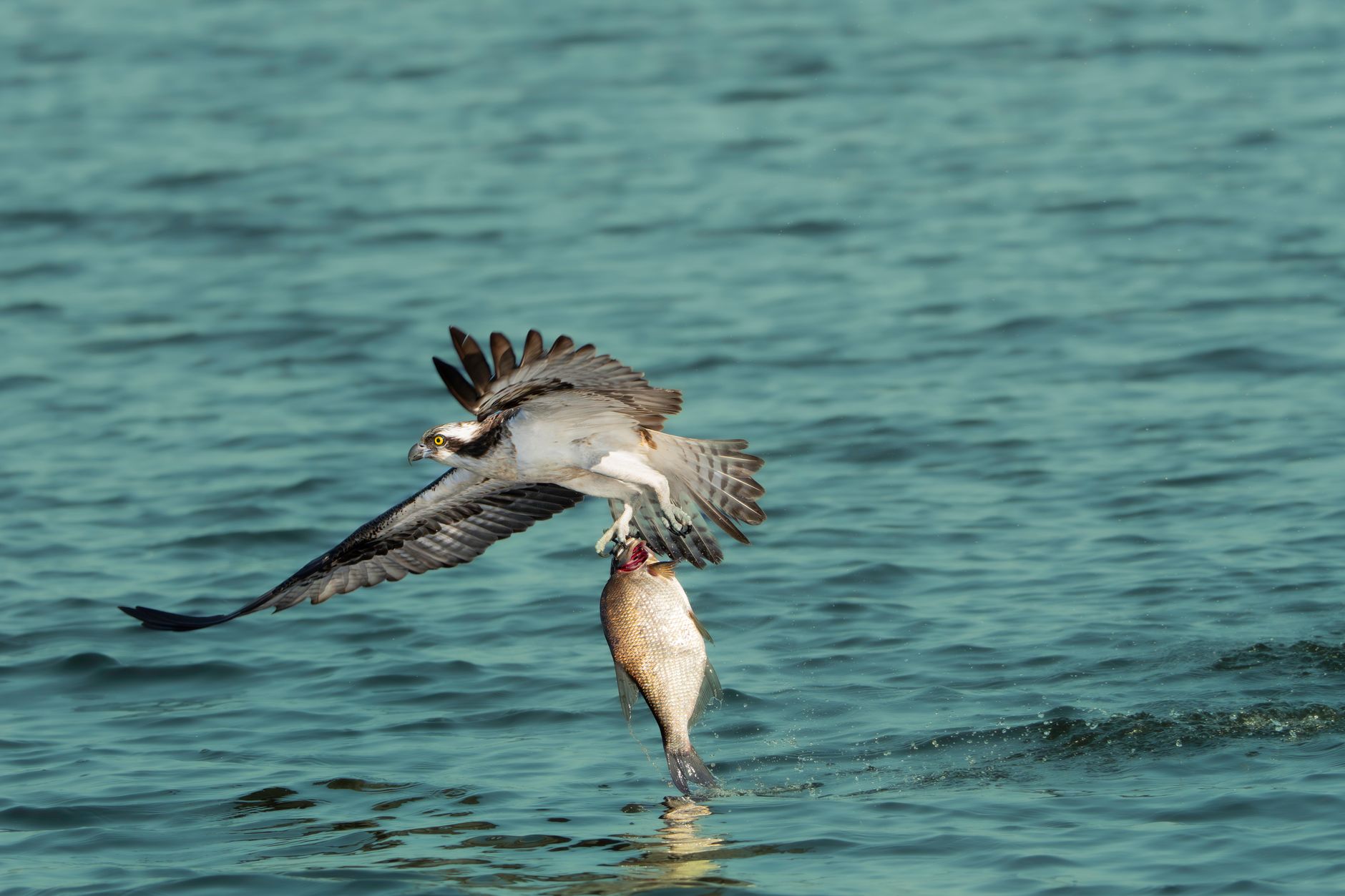
That seasonal question is the heart of it. Pound net fishermen in Maryland, Virginia and the Potomac have watched their late-summer catches fall away in recent years, and they argue the purse seine fleet working out of Reedville is intercepting menhaden before the fish move up the Bay. The Chesapeake Bay Foundation, striped bass advocates and osprey researchers have lined up behind them.
The commission has been circling this for two years. In October 2025 the board cut the coastwide catch limit by 20 percent while leaving the Bay cap untouched, and initiated Draft Addendum II at the same meeting. In May the board was expected to release the document for comment and instead voted unanimously to delay and form a work group.
"This is a frustrating delay," Chesapeake Bay Foundation forage campaign manager Will Poston said at the time. "Despite this setback, if the ASMFC acts in August it could still put new measures in place by 2027 to protect menhaden. Both ASMFC and Virginia must act without further delay to protect this sensitive estuary, or risk further damage to an ecosystem that so many livelihoods depend on."
"Ospreys continue to tell us something is wrong. The science clearly demonstrates that declining menhaden numbers are driving this crisis. Virginia needs to listen," Poston said.
"Ultimately, decision-makers must pause reduction fishing inside the Bay until menhaden research is completed," he added. "Pausing reduction fishing in the Bay is the safest option to protect current and future jobs, promote healthy and productive Bay wildlife and fisheries, allow more menhaden to mature, and safeguard this struggling estuary."
The industry side does not accept the premise. Ocean Harvesters, the Reedville fleet that supplies Omega Protein, opposed releasing the draft at all, and its argument is procedural as much as biological: the addendum proposes remedies for a problem its own Statement of the Problem never establishes. The document, as the commission acknowledges, concedes that there are currently not sufficient scientific data available to characterise menhaden abundance and distribution inside the Bay, or the influence of fishing pressure on it.
The commission's own Menhaden Technical Committee has not closed that gap. Reviewing 2023 data, the committee found Maryland pound net catch rates in the second half of the year were generally equal to or greater than the recent average, suggesting little influence of the reduction fishery on pound net catches. The 2024 analysis produced a different pattern but could not establish cause and effect.
Virginia's commissioner made the same point on the record at the meeting. "Without that complete picture, without the proper Bay-specific data, I feel like we are putting the cart before the horse instead of availing ourselves to the upcoming studies and data that could finally guide us," Adele McClure said, calling on the commission to wait for research already funded and underway.
"We finally got that funded in Virginia at $4.5 million," McClure said. "We have three studies, and this could guide us in the context of good science, which is good for both the public, for union workers, and the fisheries."
Some of that money is real and moving. Virginia has committed $2 million over two years to a Virginia Institute of Marine Science-led menhaden research programme covering abundance, movement, predator consumption and the timing and location of commercial effort. The Science Center for Marine Fisheries has separately funded a research roadmap involving VIMS, the University of Maryland Center for Environmental Science and NOAA, intended to work out what a scientifically defensible Bay cap would even require.
There is a labour dimension the fishery keeps pressing. The addendum, industry says, omits the ASMFC economics committee's warnings about structural unemployment, a minimum operating volume below which the Reedville plant cannot run, and the possibility that deeper cuts force a full shutdown. Reedville has no comparable employer, and the workforce is heavily unionised and majority African American.
The current Bay cap has been ratcheted down repeatedly. It began at 109,020 metric tons under Addendum III, dropped 20 percent to 87,216 tons under Amendment 2 in 2012, and fell to 51,000 tons under Amendment 3 in 2018, when the commission reset it to reflect average reduction landings in the Bay from 2012 to 2016.
Public hearings run through the autumn. The board is scheduled to consider final approval of Addendum II at the commission's annual meeting, and whatever it settles on would not take effect on the water until 2027.