
Nantucket spent a year as the exception. That ended on Friday, 31 July, when the Massachusetts Division of Marine Fisheries filed emergency regulations extending the state's shore-based shark fishing restrictions to the island's entire shoreline.
The rule is narrow and specific. Anglers fishing from shore on Nantucket may no longer use metal or wire leaders of 18 inches or longer in combination with hooks with a gap wider than five-eighths of an inch. That is the tackle combination used to hold a white shark. Lighter gear for brown sharks and sand tiger sharks remains legal, as does catch-and-release fishing for those species.
The emergency order runs for 90 days. DMF has said it will consider making the expansion permanent for the 2027 season.
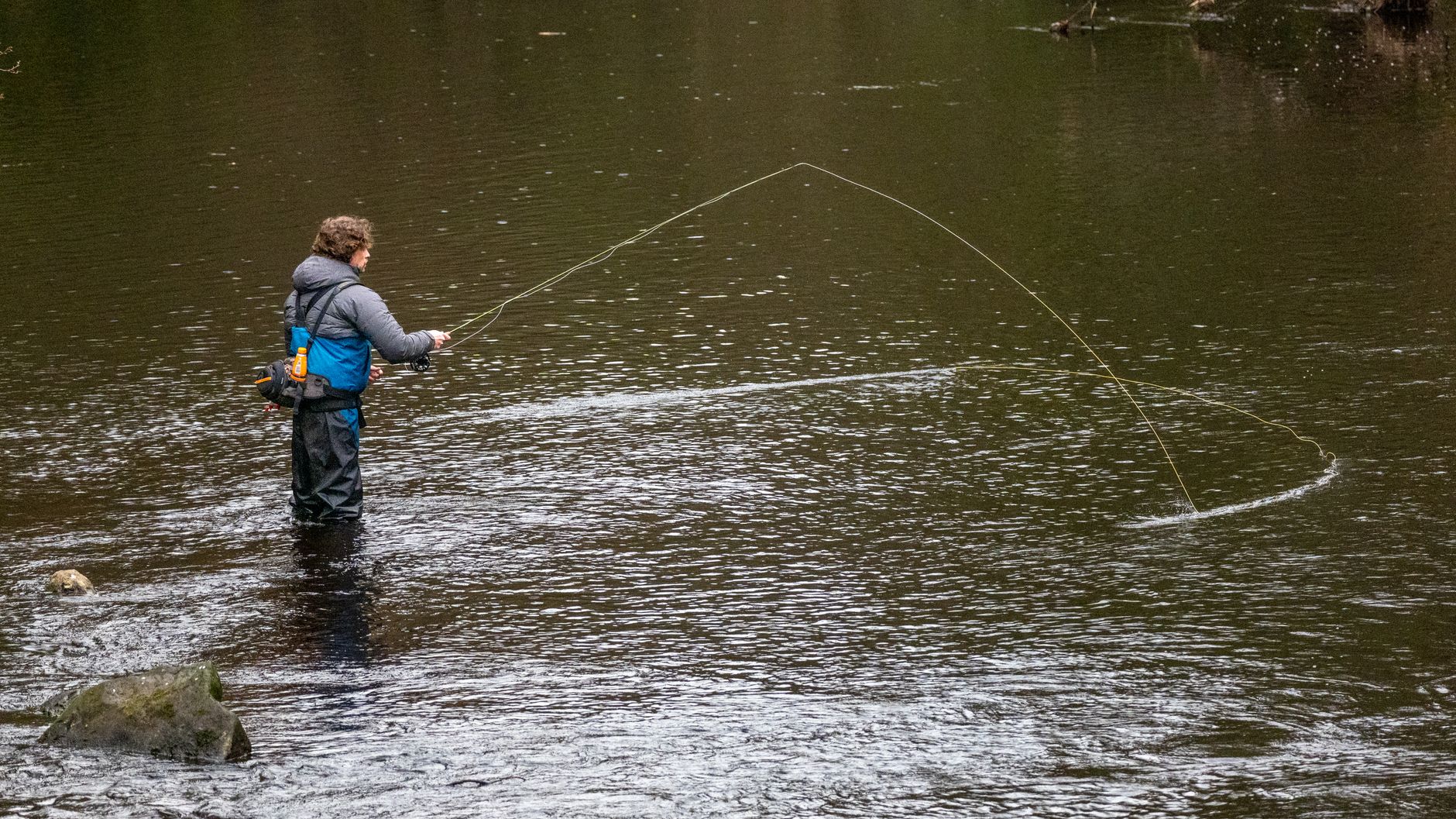
"These emergency regulations are about protecting both public safety and one of Massachusetts' most iconic marine species," said Danielle Burney, director of communications for the state executive office of energy and environmental affairs. "Shore-based fishing that targets white sharks can draw them closer to beaches where people are swimming, while also increasing the risk of injury or death to the sharks themselves."
Burney said the expansion "will help keep our beaches safe, supports shark conservation and allows anglers to continue fishing for other recreational species."
The trigger was a specific incident. Burney told the Nantucket Inquirer and Mirror that an 18 July episode involving island angler Elliot Sudal prompted the temporary closure of Nobadeer Beach after anglers targeted white sharks close to swimmers and a surf school. In its advisory, DMF described "several documented incidents involving shore-based anglers targeting and catching white sharks on Nantucket and producing dangerous circumstances for swimmers and beachgoers", calling it an "acute public safety risk".
Sudal has been the most visible figure in this story all summer. He caught a nearly nine-foot white shark from the Nantucket surf on 7 June, climbed onto the animal's back to work the hook free and put the video online. "Hooks out and back on her way in 15 seconds, not sure how to do it better," he wrote on Instagram. Sudal, a veteran angler and boat captain, has caught and tagged hundreds of sharks; he said in a social post that the June fish was the first white shark he had ever landed in more than a decade.

That video, and others like it, are exactly what the original 2025 rule was written to discourage.
When the Marine Fisheries Advisory Commission approved the Cape Cod restrictions in March 2025, DMF fishery policy analyst Jared Silva put the reasoning plainly. "It's a huge public safety issue," he said, adding that officials had watched online interest in land-based white shark fishing build. "There's a lot of social media clout that can be gotten from this, and we've kind of heard through the grapevine that Massachusetts is the hotbed, or is going to be the hotbed for this activity." Of anglers baiting for white sharks alongside summer crowds, Silva said: "They can't coexist."
DMF director Daniel McKiernan had recommended in a 24 March 2025 memo that officials take "decisive action to enhance our regulatory program before fishing activity further expands and increases the potential for conflict and public safety issues."
The gear ban exists because intent is almost impossible to prove. Massachusetts already prohibits deliberately attracting or capturing white sharks, but separating a targeted hookup from an accidental one is, as DMF put it, challenging. Restricting the tackle removes the argument.

Not everyone on the commission agreed. Tim Brady, the sole member to oppose the 2025 restrictions, worried about anglers doing nothing wrong. "I understand the intent, and I understand the potential user group conflict, but are we also preventing somebody who's targeting a different large shark species, which they can target?" he asked. Brady also questioned how easily a white shark could really be drawn in from the beach.
DMF shark biologist Greg Skomal answered that one directly. "I would argue that it's quite easy to target a white shark, particularly along the eastward facing beaches of Cape Cod," he said. "The abundance that we see out there is mind-blowing. And they are quite close to shore." The restrictions, Skomal added, give the Massachusetts Environmental Police "the teeth they need to be able to enforce this activity."
Environmental Police Lt. Matthew Bass framed the enforcement target more bluntly, saying the focus would be on "those white shark fishers coming from around the country looking for that viral video."
Nantucket was left out of the original rule for a reason DMF still acknowledges: the island has a long tradition of shore-based fishing for other shark species, and there was little sign anglers were going after white sharks there. Chumming restrictions from sunrise to sunset and the ban on drones and remote-controlled boats for deploying baits already applied statewide. What changed this summer was the number of white sharks coming out of the Nantucket surf, and the number of people filming it.