There is $5,000 on the table in Humboldt County for anglers willing to catch a fish almost nobody wants.
The Eel River Pikeminnow Fishing Derby runs from 1 July to 31 August, its third year in the current format. Anyone holding a valid California licence can enter free, and under-16s do not need one. Prizes run to $800 for the most Sacramento pikeminnow over 12 inches, with separate categories for most fish over six inches, biggest fish by length, and a $50 draw for six young entrants.
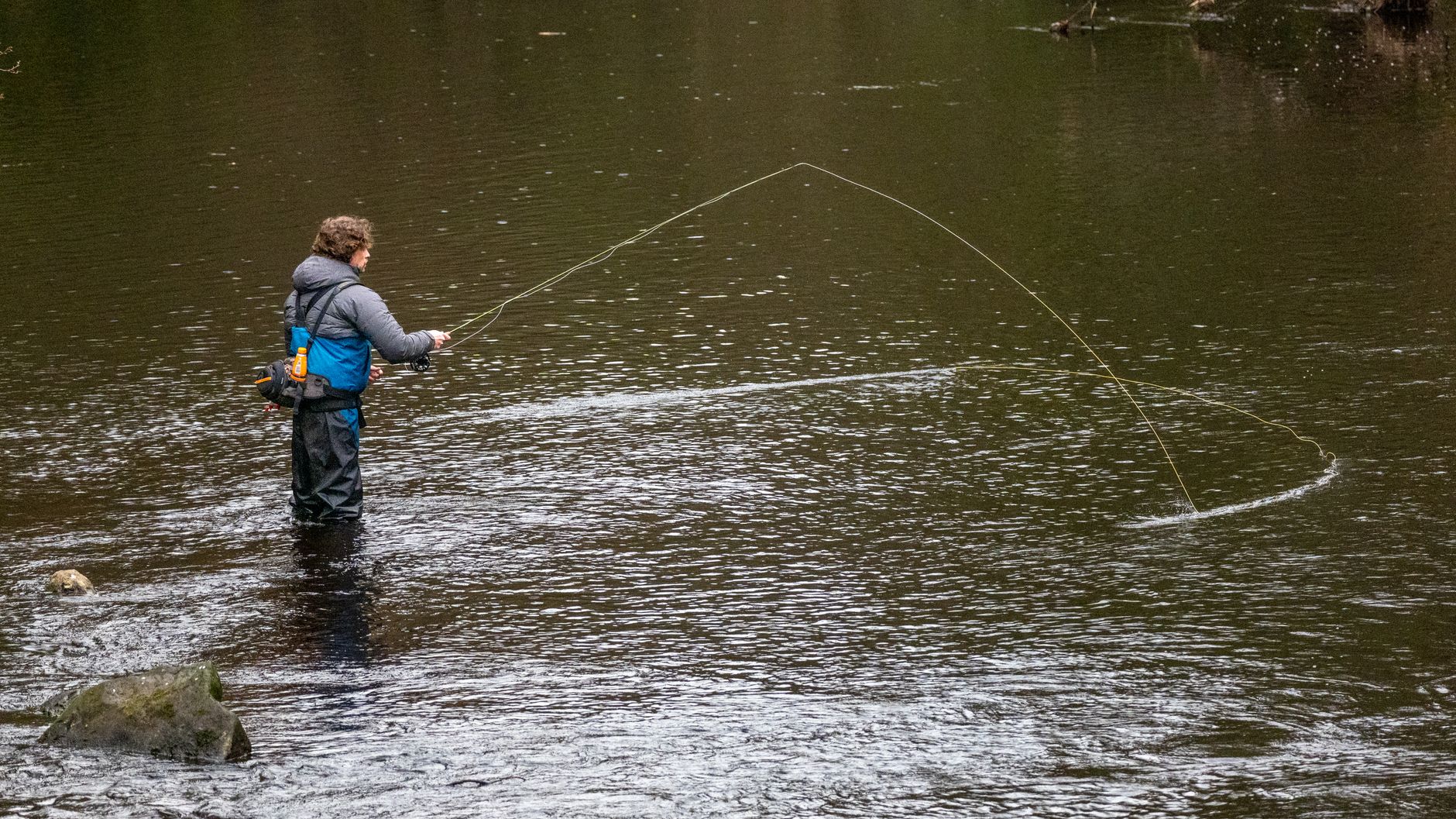
The catch, so to speak, is that nothing goes back. Pikeminnow have no bag limit on the Eel, and returning them to the river is against the rules of the derby. Barbless artificial lures only, no bait, and every entry needs a geotagged photograph.
Participation is climbing. Organisers TRIB Research and California Trout say anglers took more than 500 fish in 2024. In 2025 that more than doubled to 1,118 pikeminnow, of which 260 measured over 12 inches. The longest went 21.75 inches. Thirty-one people entered.
"On top of longstanding stressors such as historic overfishing, damaging logging practices, habitat loss, and the accelerating impacts of climate change, pikeminnow present an additional challenge to the recovery of native fish populations through both predation and competition," California Trout says.
That framing matters, because the fish is routinely blamed for more than it has done. Dr Gabe Rossi, a CalTrout-UC Berkeley coastal rivers ecologist, has drawn the line carefully.
"Pikeminnow aren't the cause of salmon decline in the Eel River, but they are an impediment to salmon recovery, and recovery of other native fish," Rossi told California Fly Fisher.
He is equally direct about what suppression can realistically achieve. "Complete removal is near impossible, and the methods we would need to take to do so would cause ecological risk," he said - a reference to chemical treatments such as rotenone, which have been used elsewhere but carry consequences for everything else in the water.
The derby sits on top of eight years of quieter work. The Wiyot Tribe and Stillwater Sciences began monitoring pikeminnow on the South Fork Eel in 2018, initially through a Tribal Wildlife Grant aimed at Pacific lamprey, a species of cultural importance to the Wiyot. Researchers watching lamprey found pikeminnow eating ammocoetes, the larval stage. CalTrout, UC Berkeley, the Bureau of Land Management, the California Department of Fish and Wildlife and TRIB Research have since joined the collaboration. In 2023 CalTrout funded a channel-spanning weir on the South Fork, a fence that captures pikeminnow while letting native fish move through. It worked in its first season.
Marisa McGrew, a fisheries and natural resources specialist for the Wiyot Tribe, is careful about how the fish is described.
"They've coexisted in many places, but in the Eel they have made it harder for native fish to rebound from historic impacts," McGrew said.
That principle shapes what happens to the culled fish. The Wiyot have supplied pikeminnow to crab fishers for bait and to tribes around Clear Lake, where the species is native and a traditional food - and where it has been driven close to local extinction, partly by introduced bass.
Derby organisers take the same line, listing acceptable uses as consumption, garden fertiliser, crab bait or research, and warning that dumping fish on the bank falls under the state's waste-of-fish code. Their slogan is blunt: "If you can't beat 'em, eat 'em." TRIB Research publishes a fish-cake recipe and links to catch-and-cook videos, and pushes back on the idea the fish is inedible - the y-bones just need work. One caveat comes from the state's own advisory: men over 18 and women over 50 should eat no more than one serving a week, and everyone else should not eat it at all, on mercury grounds.
Among fly anglers there is a small constituency that rates the fish on its merits. Zac Reinstein, a fly angler and fisheries biologist, described them to California Fly Fisher as serious quarry.
"Can hit hard or subtle, on top or bottom. They're very strong and make long runs. They use their weight and current to their advantage," Reinstein said. "Big ones are not easy to catch even though you can often sight fish for them. Fish don't get to be that big without being smart."
Trevor Evans, who grew up fishing the Russian River, came to them sideways. "I would catch 12- to 16-inch pikeminnow frequently while fishing for bass, but once I realized how big they get, I started really targeting them," he said.
Organisers are not claiming a fix. "Though the number of pikeminnow in the Eel is staggering, we are hopeful the derby combined with ongoing suppression efforts will positively affect native fishes," TRIB Research wrote after last year's event, adding that it hoped to widen the derby range and the prize pool.