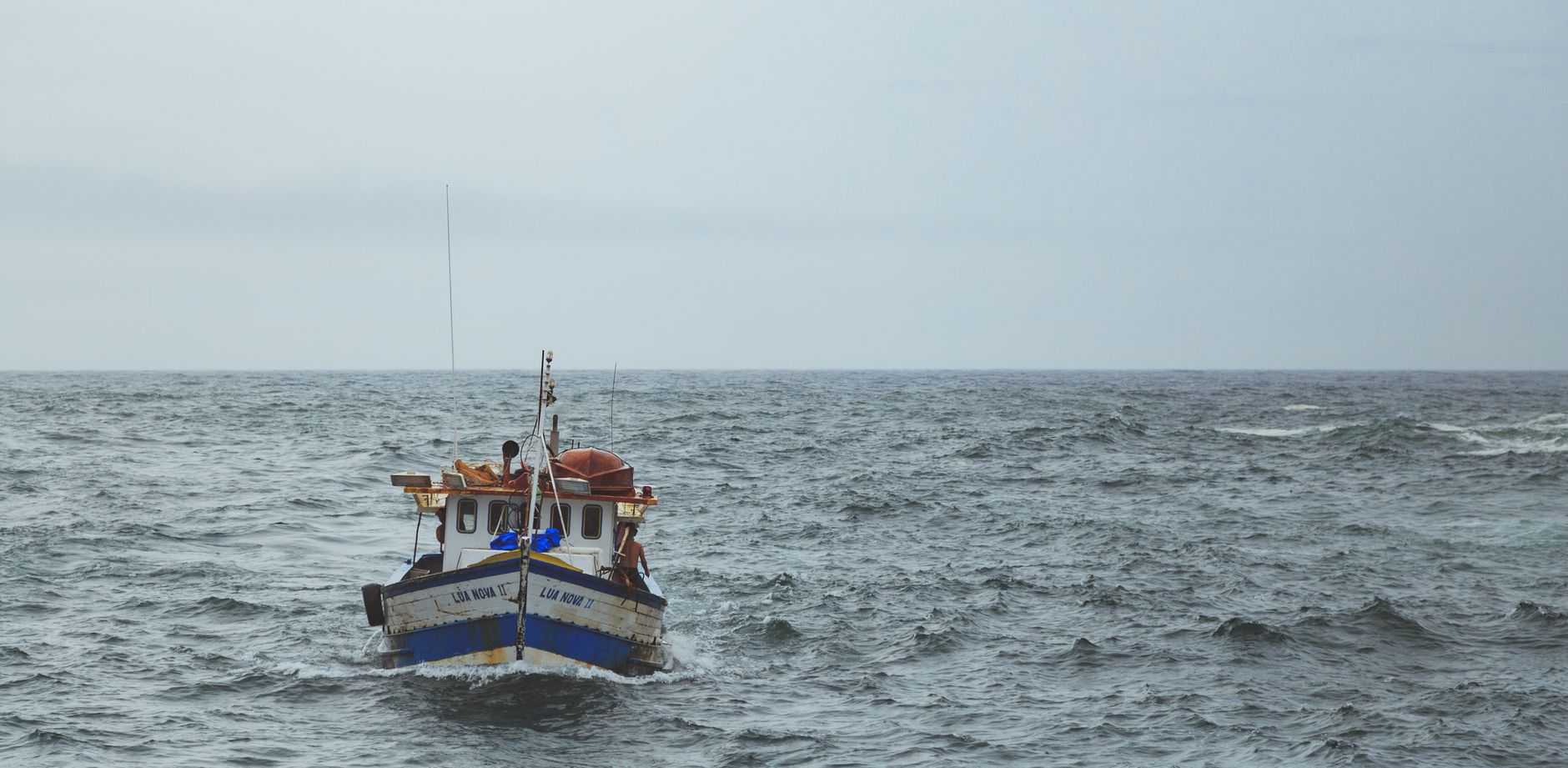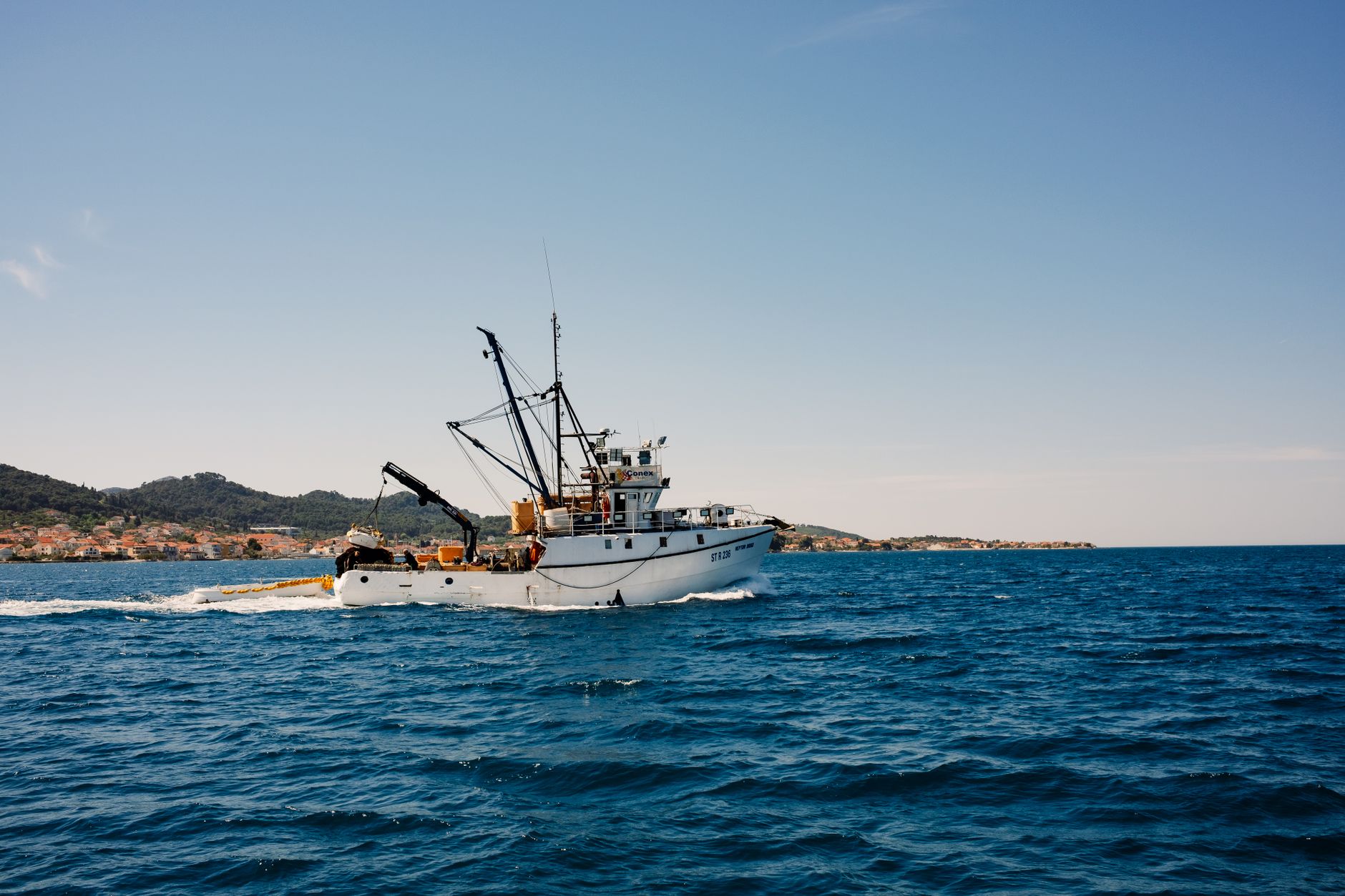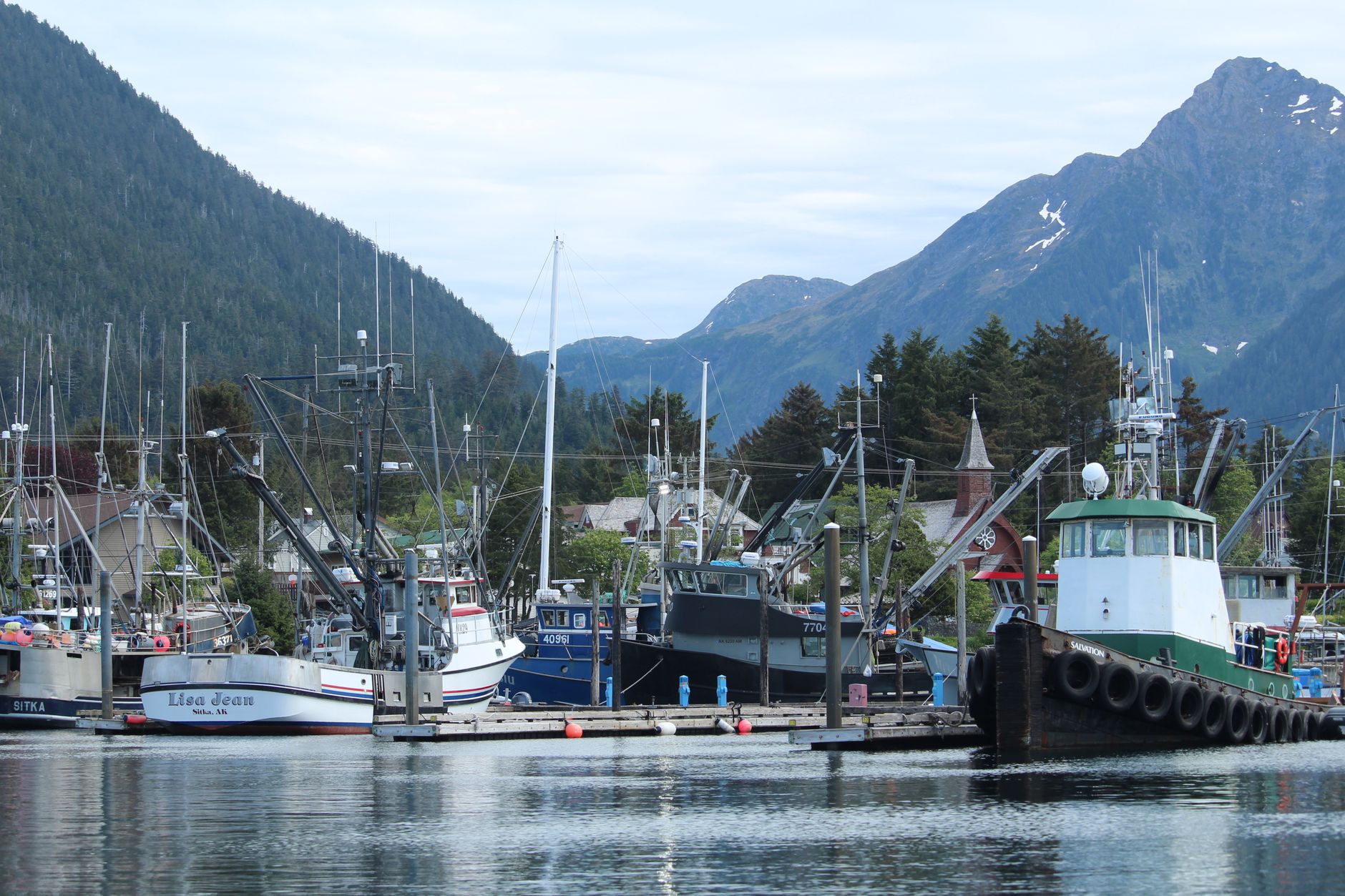
No state lands more fish than Alaska, and nowhere are the waters warming faster — roughly twice the global average. That is what makes a federal decision to yank a deep-ocean monitoring network out of the Gulf of Alaska, in the middle of collapsing salmon runs and crab stocks, so alarming to the people who fish there.
The National Science Foundation said in May it would decommission the Ocean Observatories Initiative, a nearly $368 million system of about 900 deep-sea instruments stationed across the Pacific and Atlantic. Together they measure ocean chemistry, temperature, salinity, currents and wave action in real time — data that flows to fishery managers, weather forecasters, hazard planners and even the military.
The piece Alaskans will miss most is Ocean Station Papa, anchored in the Gulf of Alaska at nearly 14,000 feet. It is among the only systems that record, as it happens, how the region's ocean is shifting.
"We're in the middle of salmon crashes, crab collapses and repeated marine heatwaves, and this decision takes away the data we rely on to understand what's happening and how to manage these fisheries," said Michelle Stratton, a fisheries scientist who directs the Alaska Marine Community Coalition.
The stakes are large. Alaska's commercial seafood sector is worth $5.3 billion and supports nearly 42,000 jobs, according to a recent study for the Alaska Seafood Marketing Institute, and the monitoring data shapes everything from harvest limits to storm warnings.
The NSF frames the cut as routine portfolio management rather than a withdrawal from the field. Spokesperson Cassandra Eichner said it "aligns with the NSF's wider strategy of a nimbler approach to prioritize support for evolving scientific priorities and emerging technologies, as well as smart lifecycle management within its research infrastructure portfolio." Existing data stays available, she said, and the agency still backs ocean science.
The researchers who depend on the network see terrible timing. "Losing the information provided by Ocean Station Papa on how the ocean is changing with a warming climate is like driving down a dark freeway with no lights on," said Carol Janzen, an oceanographer at the Alaska Ocean Observing System.
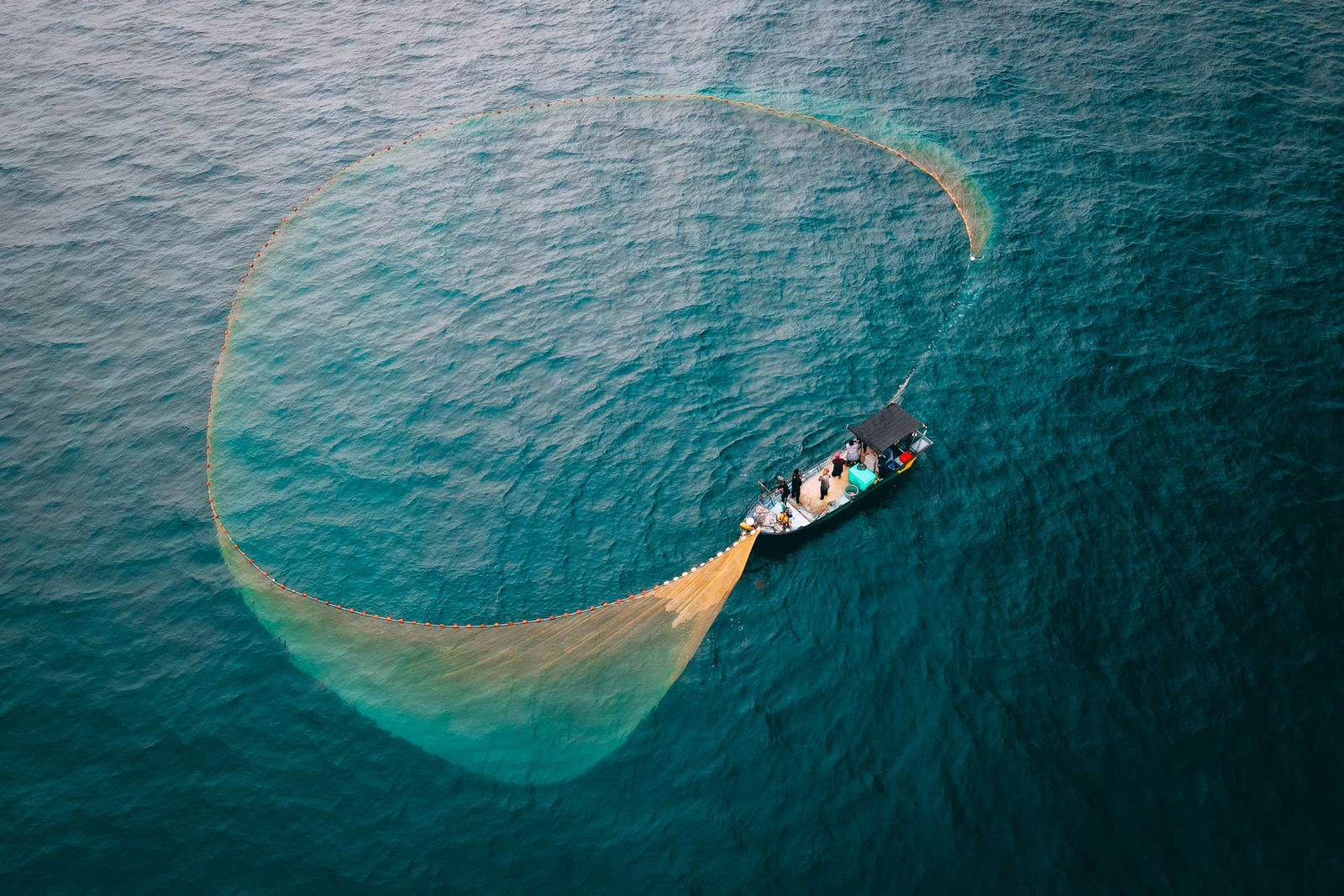
Rick Thoman, a University of Alaska Fairbanks climate specialist and a 30-year veteran of the National Weather Service, said the observatory's strength is reading the full water column rather than just the surface — precisely the view managers need as Chinook salmon and snow crab crash. Those same sensors help forecasters spot incoming megastorms such as Typhoon Halong, which all but flattened the Western Alaska villages of Kipnuk and Kwigillingok last October.
The hardest-hit could be Alaska's remote, largely Indigenous coastal communities. "We're not looking at just the biological crisis," Stratton said. "It's economic. It's cultural. It's a way of life, too."
Some critics connect the move to Project 2025, the conservative governing plan that branded federally funded ocean and atmospheric research a wellspring of "climate alarmism." Tim Bristol, who leads the conservation group SalmonState, calls the reasoning self-defeating. "No matter where you are on a particular issue, you hear a desire, a call for more information, better data, more in-depth analysis," he said. "And this seems to be a sprint in the wrong direction."
Thoman ended on a note that was equal parts reassurance and warning. Because the instruments sit in international waters useful to many countries, he expects someone else to step in. "You know the Chinese could come and plunk down a buoy there tomorrow if they're inclined," he said. "If anyone thinks that the U.S., by stopping doing this, is going to stop the monitoring or stop our understanding of this, they are woefully mistaken. All of these things are international efforts."