Recreational fishers in Western Australia have been put on notice that the statewide demersal landscape will be unrecognisable by winter, with the Department of Primary Industries and Regional Development confirming a tight new package of bag limits, size limits and seasonal rules that take effect from 1 June 2026.
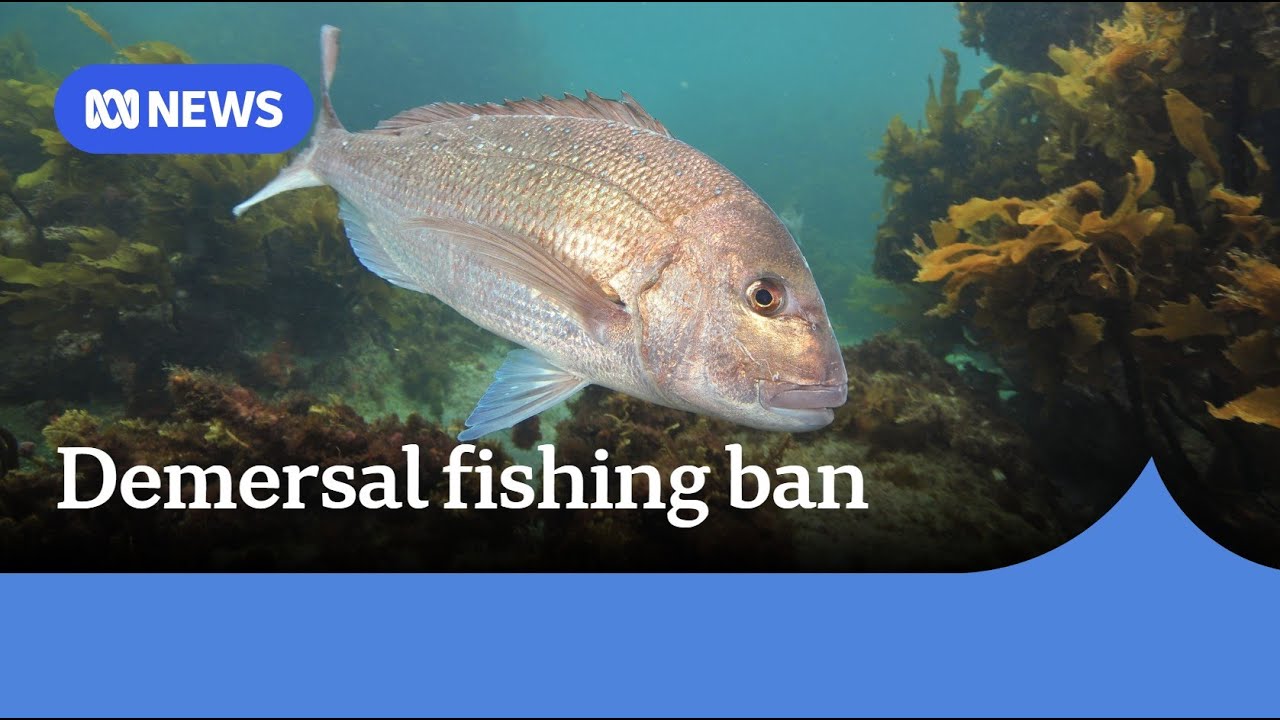
The headline number for most boat-based anglers is the mixed daily bag, which falls from five demersal fish to four outside the West Coast Bioregion. Dhufish, the species that has come to symbolise the state's reef fishery, drops to one fish per angler per day. Coral trout, coronation trout, emperors and snapper all fall under the recalibrated framework.
DPIRD made the announcement public on 15 May, with The West Australian reporting the recreational changes as the second phase of a broader reform that began with a permanent commercial closure of the West Coast Bioregion in late 2025. A compulsory buyback of commercial fishing entitlements followed. The recreational rules close the loop on the state's response to stock assessments that flagged severe pressure on long-lived reef species, particularly dhufish, baldchin groper and pink snapper.
The department's framing has been steady throughout: the science demands action and the action must apply to every sector. Fisheries Minister Jackie Jarvis acknowledged earlier this year that the original commercial ban was a "captain's call" that went further than the advice she had received, a characterisation she has since defended in front of parliament and the media. A Supreme Court challenge brought by commercial operators argued the plan was "political and unscientific," with the case continuing as the recreational package was unveiled.
For recreational anglers, the practical effect of the new rules will be felt most sharply at the cleaning table. The dhufish reduction is the single biggest day-to-day change for offshore parties: a boatload of three or four anglers will return to the ramp with at most three or four dhufish, not the multiples once permitted. The four-fish mixed bag is a 20 per cent cut on paper, but the impact on high-value reef trips is more pronounced.
The new statewide framework also draws the Gascoyne and South Coast bioregions, which had until recently sat outside the toughest restrictions, into the same regime. Recfishwest, the state's peak recreational fishing body, has told members that bag limits will be reviewed again "later in 2026," leaving the door open to further adjustment once the new rules have been in place for a season. Trawling for demersal fish in the Pilbara is permanently prohibited under the same package.
To soften the trading impact on retailers, the WA Government has paired the rule changes with a Tackle Shop Rebate. The scheme aims to cushion the immediate hit to tackle businesses that depend on demersal-fishing-related sales, particularly in coastal towns where the closures and bag cuts will reshape weekend traffic.
The science behind the package was summarised in February by The Conversation, which pointed to plummeting fish numbers as the trigger for the original West Coast closures and suggested no-take zones could ultimately benefit fishers by letting stocks rebuild. Particle, the Scitech publication, ran a parallel explainer titled "Why WA hit pause on demersal fishing." Fishing World Australia, in its summary of the recreational reforms, reminded anglers that the dhufish reduction will define how many offshore parties plan their trips for the rest of 2026.
The market backdrop is sharper still. The ABC reported in March that fresh fish had become a "luxury" in parts of WA as the commercial buyback worked through the supply chain, with prices climbing in coastal markets that once relied on the demersal catch. The recreational reforms add fresh limits on the only legal access many of those species now have in the West Coast Bioregion.
The practical advice from DPIRD is direct: read the 2026 Recreational Fishing Guide before the next launch, check the bioregion bag limit, and remember the four-fish mixed bag and one-dhufish ceiling apply from the first cast on 1 June. Recfishwest has indicated it will publish region-by-region guides closer to the start date.
*Sources: WA Department of Primary Industries and Regional Development; Recfishwest; The West Australian; ABC News; Fishing World Australia. Announcement 15 May 2026; rules effective 1 June 2026.*