The first sign for Jim Hestad was not something he saw. It was the smell, reaching his house 500 feet back from the Bergstrom Bay shoreline on Mille Lacs.
"It smelled like death," Hestad said. "I mean, dead and rotting fish, and fish guts that are rotting. ... It was putrefying the water, and it was kind of a mixture of fish tissue and guts and stuff, right at the point where the waves break onto the shore."
Standing on his dock in the lake's north-east corner, he could follow a line of dead cisco, bass, walleye, northern pike and muskies - a few of them trophy fish - until it ran out of sight. Vultures, gulls and raptors worked the shoreline. He called it in to the Minnesota Department of Natural Resources on 12 August with an estimate of 10,000 dead, a figure he described as extremely conservative.
A similar report had already come in from near Malmo, miles down the shore, four days earlier. Daniel Dewald, from Battle Lake, had taken his wife and one-year-old son to visit family and had planned on a wade.
"The closest thing I could describe it [as], would be like if you've been to an ocean and smelled like a very strong sea smell," Dewald told KAXE. "But it was, of course, you smelled bad fish. That's what it was. It was rank with fish."
Losing cisco - tullibee, in most Minnesota boats - is close to an annual event on this lake. Mille Lacs marks the southern edge of the species' range, and cisco start failing above 70 degrees. Across the second half of July the lake held between 77 and 80.
The reason the shoreline looked the way it did comes down to how many fish were there to lose. "The cisco that are dying are from a very abundant 2024 year class, the biggest on record, which is why it is so visible this year compared to others," said Greg Berg, the DNR's Mille Lacs area fisheries supervisor. "It is not uncommon to see other species mixed in as well later in the summer from heat stress and added hooking mortality."
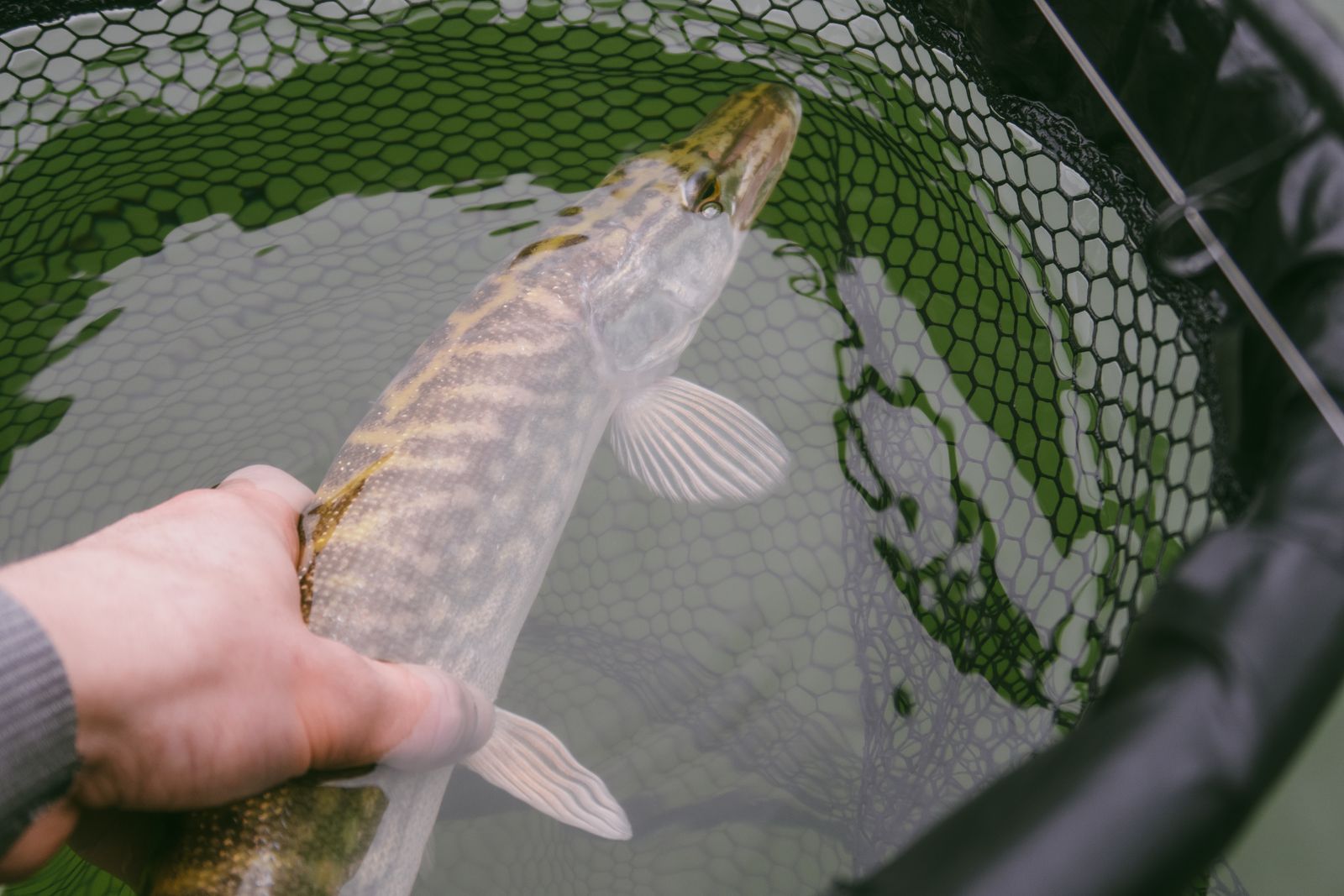
Hooking mortality is the part anglers can control. Walleye and pike begin showing stress at around 74 degrees, says Isaiah Tolo, the DNR's fish health supervisor, so an August release is a release into water that is already stacked against the fish.
Mille Lacs accounts for 14 of this year's kill reports on its own. By late July, the DNR knew of more than 200 mortality events statewide. Fourteen reports had come from Mille Lacs alone by late August.
Wind explains the timing of the August wave. "The most recent pulse of fish mortality is likely from the high winds causing some thermal mixing in the lake - increasing warm water mixing and blowing dead and dying fish to the northeast shore of the lake," Tolo wrote. A 10 to 18 mph westerly and south-westerly on 8 August pushed the drift straight onto the Malmo beaches.
The lake's shape is the other half of the problem. Beth Holbrook, a DNR fisheries research scientist, describes Mille Lacs as polymictic - shallow for its surface area and mixing all summer long. Oxygen stays evenly spread, so fish there seldom suffocate as they might in a stratified lake. The trade-off is that the heat penetrates everywhere, and there is no cool basin to drop into.
"Temperature alone determines mortality events, with hot, dry, still summers causing the highest temperatures and the most thermal stress," Holbrook wrote. "Several other lakes with cisco mortality events this summer have also been shallow, polymictic lakes."
Berg does not regard the die-off as a population-level problem for any of the species involved, however bad the beaches looked, and reports are already easing as cooler nights bring the surface down.
The trend behind it is harder to shrug off. Minnesota's lakes have gained three to four degrees on average over the past fifty years and lost 10 to 14 days of ice. The University of Minnesota Climate Adaptation Partnership expects a further 3.8 to 4.5 degrees of annual average warming in the north-central part of the state by mid-century, alongside drier summers - and much of the region is running a storage drought that will not be topped up by a few big rains. Shallower water spikes faster.
Dewald is hoping for a different visit next time. "Hopefully that doesn't become a more regular occurrence," he said.