For two seasons, the argument over forward-facing sonar has mostly been about fairness — whether watching a fish on a screen and dropping a lure on its nose still counts as sport. A fresh study has handed the critics a harder number to throw around. Minnesota's recreational anglers, the research finds, take home about 80 million pounds of fish a year, more than twice the 30 million pounds the state's Department of Natural Resources last estimated in 2001.
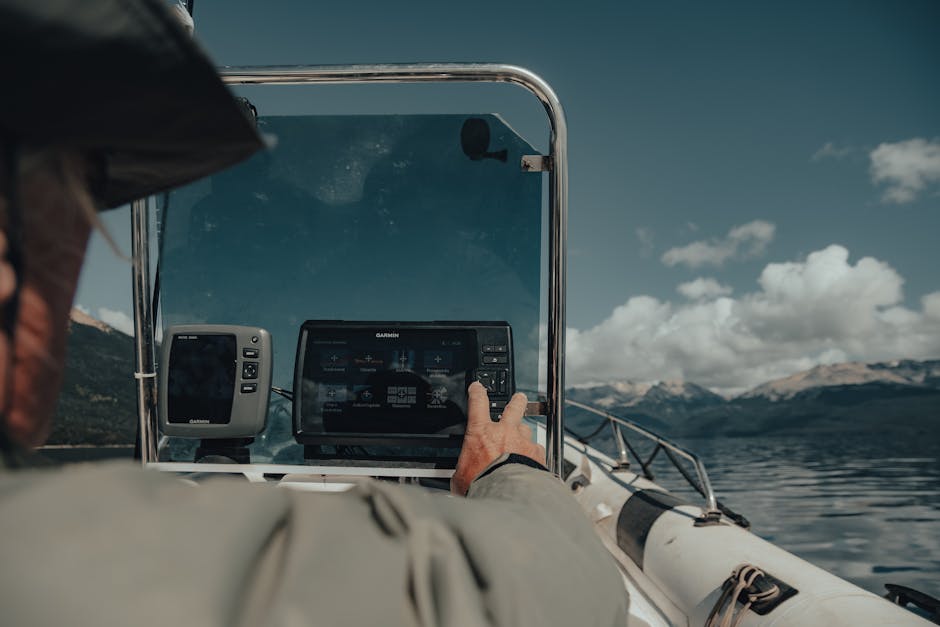
The work, carried out by researchers at the U.S. Geological Survey, the University of Missouri, the University of Louisiana and Memorial University of Newfoundland, lands at an awkward moment for the live-sonar boom. The gear is now close to standard kit. "Everybody either wants it or adds it later," said Bud Dusenka of Frankie's Live Bait and Marine.
State managers are urging calm. Brad Parsons, fisheries chief at the Minnesota DNR, said the long-run harvest trend does not show a crisis. "We have been looking at harvest over time, and we don't see over-harvest generally as a problem," he said. "Even with the walleye bag limit change, this isn't a crisis we are trying to address. This is … to be good stewards and to be proactive."
The worry, for others, sits on the smaller lakes that never get a hard look from biologists. Terry Thurmer, who operates a harbour and launch on Mille Lacs Lake, said the technology levels nothing on those waters — it strips them. "But it will cause holy hell on smaller lakes," he said. "Guys can get on a little lake they've never fished before and find panfish right away."
The competitive scene is wrestling with the same divide. Randy Pringle, a tournament director with Best Bass Tournaments, said sonar has reshaped winning weights on his California events. "We've had seven limits over 40 pounds at Clear Lake during our tournaments this year, all shaking a minnow using Forward Facing Sonar," he said. The downside is a thinning field. "The massive weights have intimidated others from participating," he said. His prescription is venue, not prohibition — on deeper, more diverse fisheries, he argued, "Technology is far less of an advantage at these bodies of water."
Bassmaster and Major League Fishing have already curbed forward-facing sonar for the 2026 season on fairness grounds. The Minnesota harvest figures add a second question the circuits' rulebooks were never written to answer: not whether the screen is sporting, but whether, spread across a state full of anglers, it is quietly thinning the water.