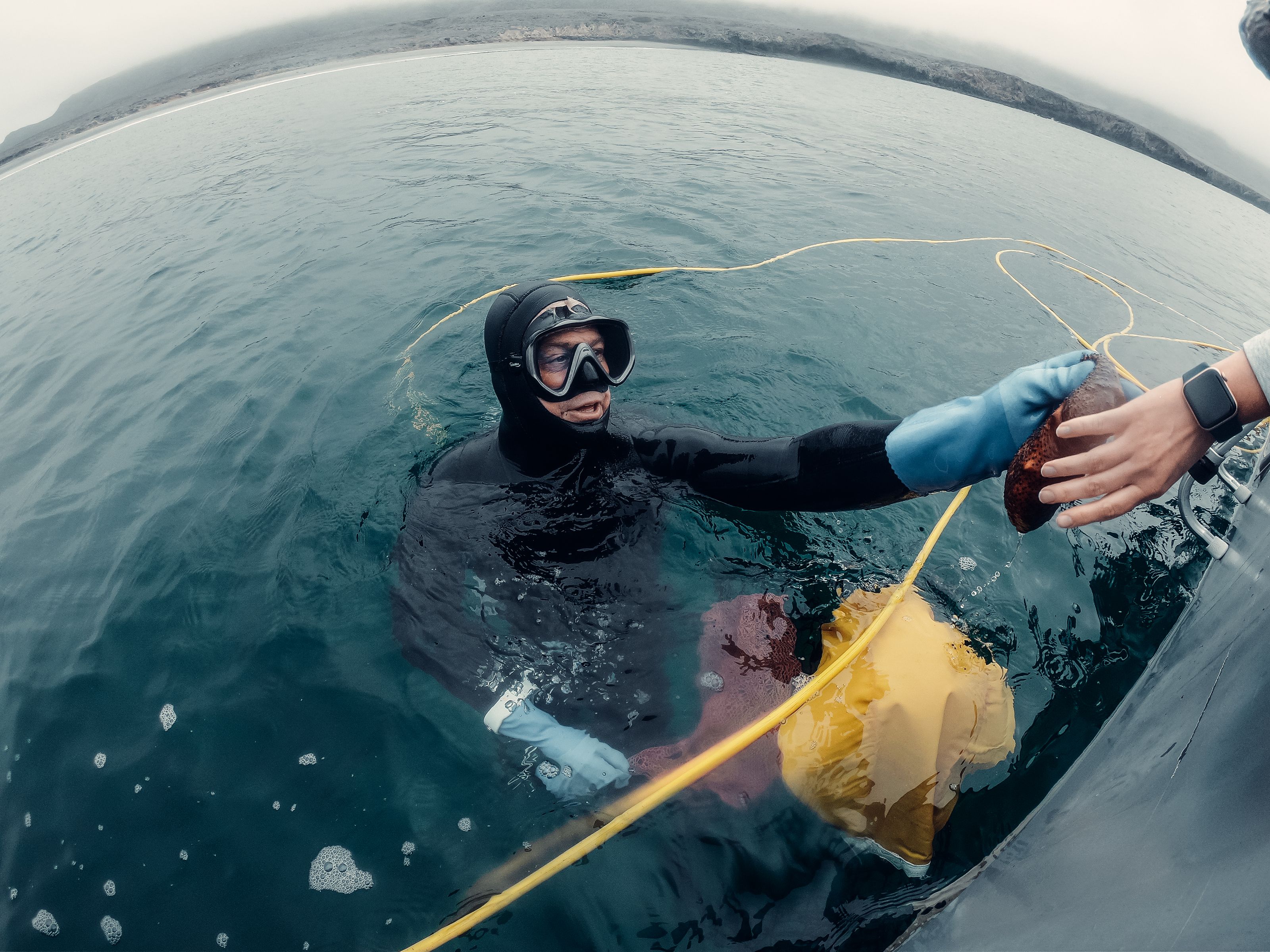
One of Australia's premier shellfish fisheries is edging toward a shutdown. The New South Wales government is now weighing whether to close commercial abalone diving across roughly 350 kilometres of the South Coast - from Bundeena, south of Sydney, down to Eden near the Victorian line - as blacklip stocks give way.
According to a draft proposal reported by the ABC, the closure would follow a finding by the state's independent Total Allowable Fishing Committee of a "severe decline," with abalone now judged "depleting or depleted" right along the coast. It comes on the back of the sharpest cut the fishery has ever seen: the 2026-27 commercial catch limit was slashed 41 per cent, from 88 tonnes to 52 tonnes, the smallest quota since the system started in the late 1980s.
Divers reacted with anger. "It's a kick in the face for all the sacrifices that people in the industry have made," said John Smythe, secretary of the Abalone Association of NSW, after June's announcement.
Regulators say they had little choice. "The abalone resource has declined to unsustainable levels, and what we need to do is reduce fishing pressure," said Tara Black, deputy secretary of fisheries and forestry at the Department of Primary Industries and Regional Development. "We are worried about the sustainability of the resource as well as the sustainability of our commercial fishing industry."
Black pointed to falling Chinese export demand, climate change, marine heatwaves and stock depletion. The minister responsible, Tara Moriarty, echoed the balancing act: "This is about securing the future of an important resource that supports regional jobs and has deep cultural significance," she said, acknowledging that "environmental conditions and concentrated fishing effort are also contributing to stock decline, and our response reflects that broader reality."
For the licence-holders, the economics have turned sour. A voluntary buyout on the table values a share at about $4,200 - well below the $10,492 figure set in a 2018 valuation. With around 3,500 shares spread across 41 operators, the Abalone Association rejected the offer on 10 July and is now chasing mediation and a parliamentary inquiry.
"It has now got to a state where three-quarters of the fishery is probably unrecoverable," said the association's chair, Stephen Bunney. "Many people have just lost absolute confidence in the government to manage this." Of the buyout, he said: "They've offered them less than a third of what they've paid to be in these businesses when the fishery was being properly managed. This is people's businesses. This is people's lives."
The fiercest dispute is over who wrecked the reefs. DPIRD's tally of illegal and unregulated take - 25 to 35 tonnes a year - folds in catch taken under Aboriginal native title, and South Coast communities are furious.
"They're trying to sell a misled story to say that Aboriginal people have destroyed the industry, and we know who destroyed it," said Wally Stewart, a Yuin man and co-founder of the NSW Aboriginal Fishing Rights group. "They've made us out to be poachers and the ones that destroyed the fishery." His estimate of the cultural harvest was a fraction of the department's: "We'd be lucky to take 2 tonnes a year between the whole mob up and down the South Coast. In the meantime, the commercial divers have been taking around 100 tonnes a year."
With premium blacklip fetching $25 to $30 a kilogram, the stakes are high. Whether commercial diving survives on the South Coast now rests on how the closure plan, the spurned buyout and the push for an inquiry unfold.