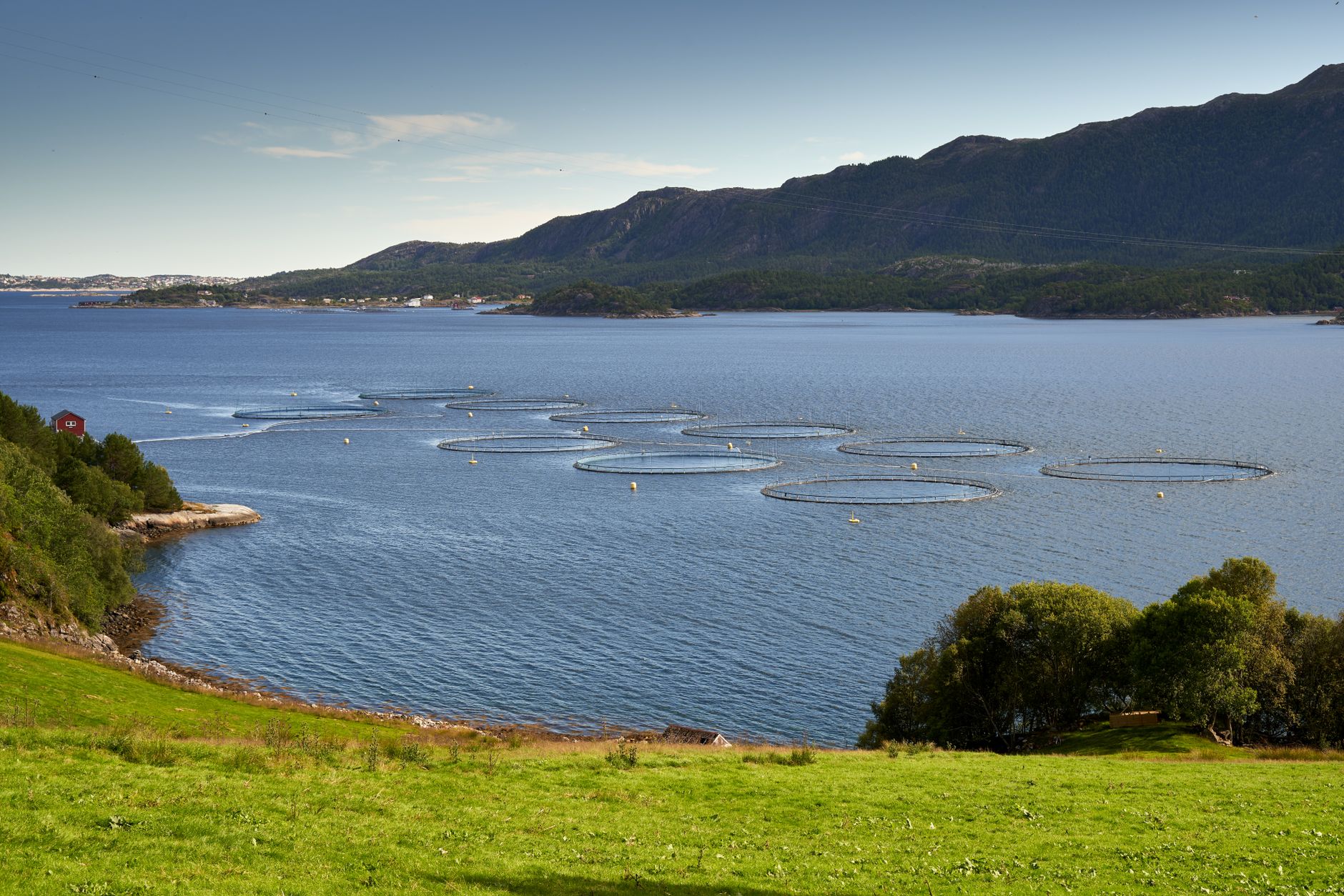
The pitch for fish farming has always been simple: wild stocks are fished to their limits, demand keeps rising, so grow the fish instead of chasing them. Spain's aquaculture association Apromar ran the argument on empty market counters in Madrid last September, warning shoppers that "seafood could become a luxury affordable only to a few."
A two-year investigation published this month says the arithmetic behind that pitch does not hold.
"The industry's sales pitch is incorrect," Daniel Pauly, director of the Sea Around Us project at the University of British Columbia, told EL PAIS.
The reason is what goes into the pellets. Two-thirds of global aquaculture raises species fed on fishmeal and fish oil, both made by cooking and grinding wild-caught fish. Before it reaches a counter, a farmed salmon may consume, in some operations, more than six times its own weight in wild fish. Salmon, shrimp, trout, sea bass and sea bream are all in that category.
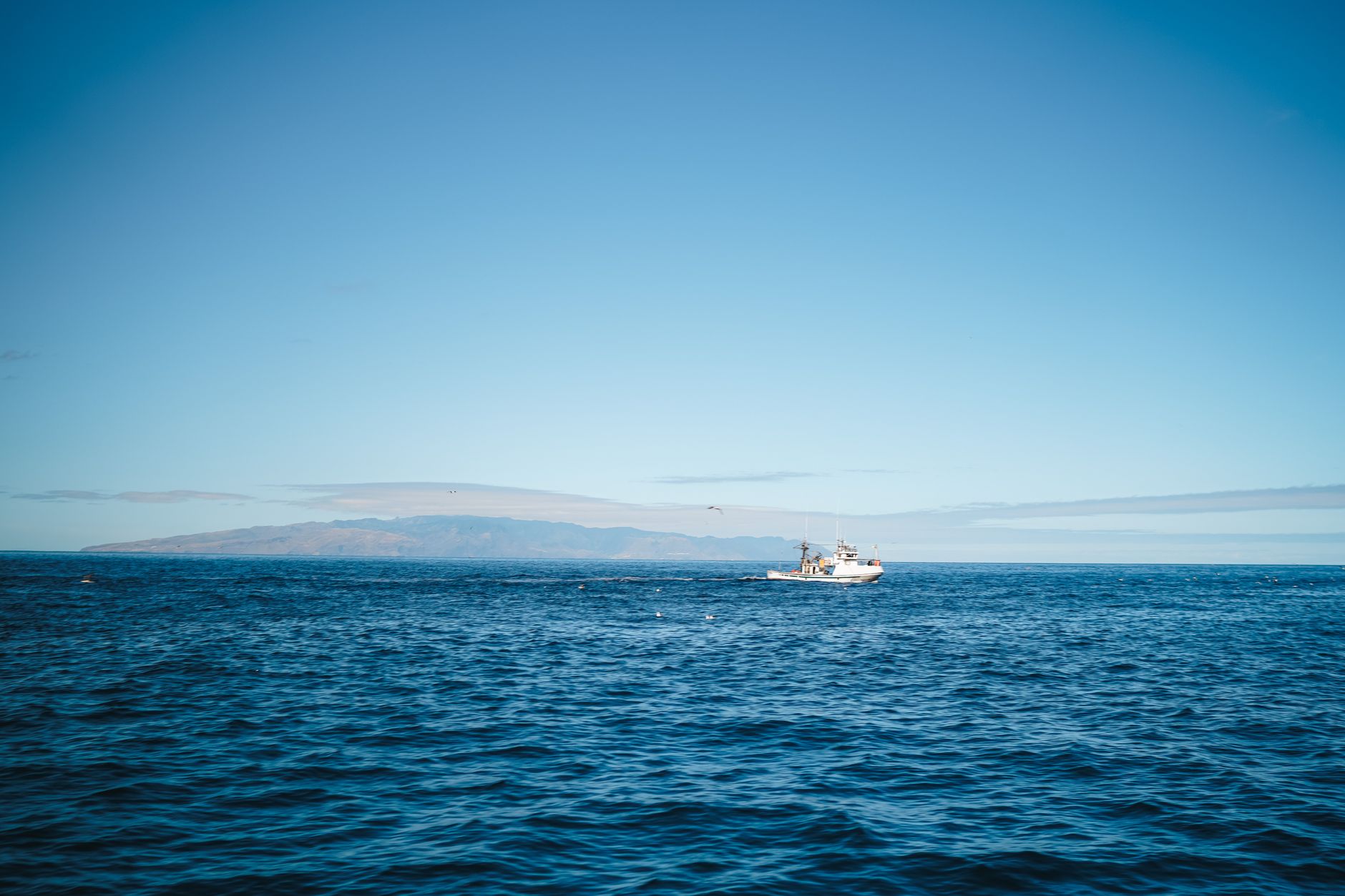
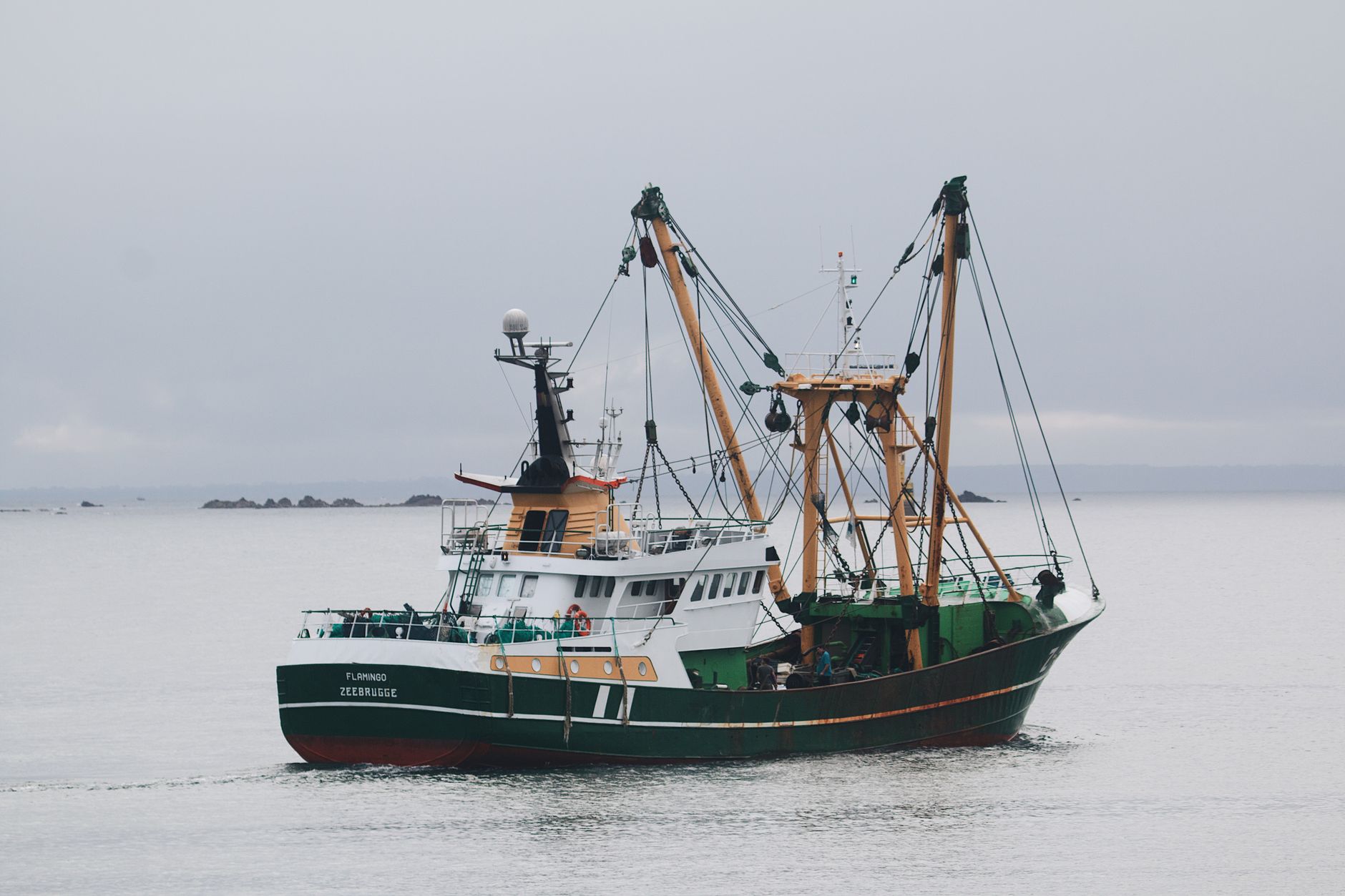
The reporting, by The Outlaw Ocean Project, mapped more than 1,400 fishmeal plants operating in 64 countries and traced supply chains from vessels through feed mills to retail shelves. It examined more than 2,400 vessels involved in fishmeal production across the waters of at least 30 countries - mostly purse seiners and trawlers, gear that sweeps up bycatch alongside the target schools. At least half the species those vessels landed have been classified as overexploited in scientific studies.
For anglers and coastal fishermen the relevant finding is where the fish come from. In Gambia and Mauritania, the investigation documented fish that once fed local communities being diverted to fishmeal factories for export. In India and Peru it linked the industry to at least 80 episodes of social conflict, typically strikes or protests over water pollution and the stench of plants processing thousands of tonnes of rotting fish.
Ian Urbina, who directs the project, previewed the findings under oath in Washington in April.
"I'm here today to discuss our current investigation, which will be published in the coming weeks and examines the global aquaculture industry, including China's role in it," Urbina told a 16 April hearing of the Congressional-Executive Commission on China.
That commission has been pressing the same supply chains from the policy side.
"Where commitments are repeatedly set aside - on labor, religion, due process, or maritime norms - U.S. policy must be calibrated to address behavior that harms U.S. interests," CECC chair Senator Dan Sullivan and co-chair Representative Christopher Smith wrote in the commission's annual report. "That means sustained enforcement against forced labor, real traceability in high-risk sectors like seafood and lithium."
The feed industry rejects the framing. Veronique Jamin, spokesperson for IFFO, the international marine ingredients association, called aquaculture "the most efficient animal protein system," and argued that "sustainability frameworks will not work if they ignore the economy of the real world" and that seafood companies must respond to "what people actually want to buy and eat."
IFFO also has numbers pointing the other way. In its August analysis of the FAO's State of World Fisheries and Aquaculture 2026, the association noted that global aquaculture hit a record 103 million tonnes in 2024 while fishmeal and fish oil output has held roughly flat since the mid-2000s at around 5 million and 1 million tonnes. The share of total capture production going into fishmeal has fallen from about 32 percent at its peak to roughly 20 percent today, helped by greater use of processing by-products. Growth in farming, on that reading, has not translated into more pressure on wild stocks.
Nor is the case against farming uniform. Roughly 70 percent of Spanish aquaculture output is bivalves - clams, oysters, scallops, mussels - which need no feed at all. As early as 2022, about a third of global aquaculture production required no external feed. In Bangladesh, farming has driven prices down for lower-income households; in India it is a significant employer, particularly of women. Aquaculture's carbon footprint sits well below beef or pork.
Retailers named in the reporting have begun to move. Carrefour Group said it had launched an investigation into its supply chain and would "take all necessary measures if violations are confirmed," including potentially dropping suppliers. El Corte Ingles and E.Leclerc did not respond to requests for comment.
Alternatives exist on paper - algae, cassava waste, black soldier fly larvae, single-cell proteins from fungi and bacteria - but none are affordable at scale yet. Until one is, the wild fish keep going into the grinder, and the bill lands a long way from the shelf.