Anyone who has reeled in a fish only to land a bloody head knows the feeling. Now there is hard data behind it. A new study published in the ICES Journal of Marine Science, summarized by NOAA Fisheries on June 11, pulls together roughly a century of records to map how often sharks are stealing anglers' catches — a problem known as shark depredation — and the picture is messier than most fishers assume.
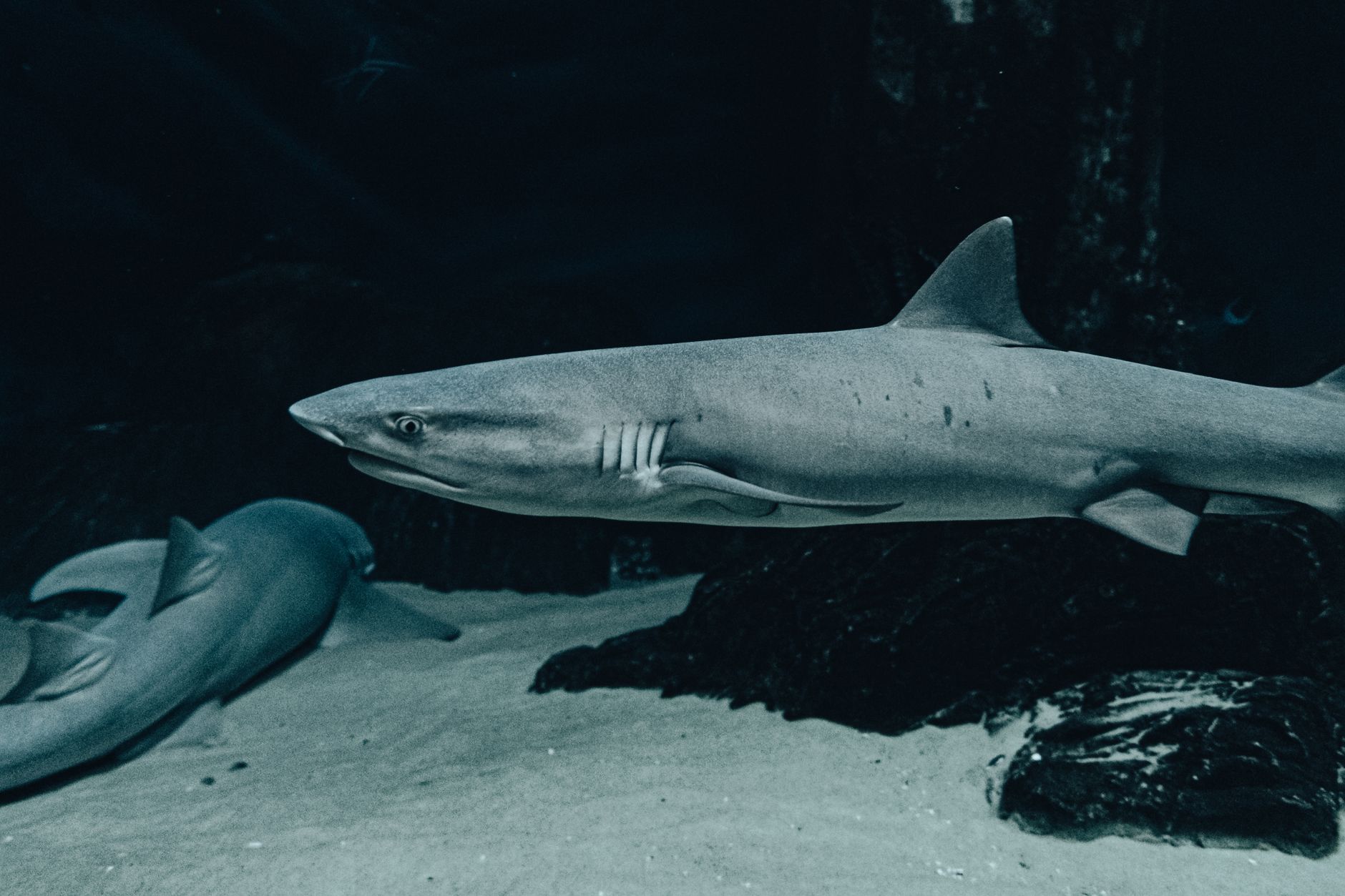
Researchers from NOAA Fisheries and several universities combined published literature, angler surveys and social-media reports to track the trend across the Atlantic. They identified at least 51 recreational fish stocks being hit by 22 different species of shark, spanning coastal and open-ocean habitats from Maine to Texas and into the U.S. Caribbean.
"At its essence, shark depredation is the result of an overlap between humans and wildlife," said lead author Dr. Marcus Drymon, an associate extension professor at Mississippi State University and marine fisheries specialist with Mississippi-Alabama Sea Grant. "In this case, the overlap is between recreational anglers and sharks competing for a shared resource. Navigating recent increases in shark depredation, real or perceived, requires a broader understanding of how this overlap has evolved over time."
The complication is management. Because the culprit sharks cross so many habitats and jurisdictions, no single rule can fix the problem. The study also flagged a quieter cost: fish lost to sharks are effectively dead discards that go uncounted, which can throw off the stock assessments managers rely on.
"The issue remains complex, but this collaborative study hopefully provides a framework for future research and management action," said study coauthor Dr. Tobey Curtis of NOAA's Atlantic Highly Migratory Species Management Division.
The frustration has reached Washington. The SHARKED Act, which would create a task force of fishing and environmental experts to study depredation, has cleared the House and won a favorable hearing in the Senate Commerce Committee. "Encounters between sharks and anglers are on the rise, affecting catch for food, safety of anglers, and balance of fisheries," said Sen. Ashley Moody, who is backing the measure. "I'm proud to support the SHARKED Act to find ways we can mitigate these challenges and keep Florida's fishing and tourism economy strong."
The view from the deck is more pointed. In Hawaii, where shark fishing is banned outright, small-boat fishers say depredation has gone from rare to routine. Kona troller Fernandez, who has fished the coast since the late 1980s, said the problem only emerged in the last 20 years and has sharpened in the last few. He thinks the animals have figured anglers out. "Sharks," he said, "are very smart." Many fishers now kill their engines the instant they hook up, convinced the sharks link the sound of a propeller to a free meal.

Researchers are testing ways to fight back. Scientists at the University of Hawaiʻi Mānoa's Hawaiʻi Institute of Marine Biology are training fishers to swab bitten fish for DNA to identify which species are responsible, and tracking shark movements over time. "We are building the first truly comprehensive effort to understand and mitigate shark depredation in these fisheries," institute research professor Carl Meyer said.
The hardware is catching up slowly. Eric Stroud, a managing partner at the repellent firm SharkDefense, said magnetic and electric deterrents can work — electric units run roughly $150 to $300 each — and his company makes a chemical repellent that smells like decaying sharks and costs about $1 per hook. The problem is fit. Fernandez has tried electromagnetic devices off Kona and found them clumsy. "They're too long and they're the wrong shape," he said. "The hooks tend to wrap around these devices, and now the hooks are all tangled up. So it's a work in progress."
Not everyone agrees on the fix. Pelagic fisheries scientist Mark Fitchett said many small-boat fishers are fed up and believe sharks now benefit from too many protections. The new study stops short of taking sides, recommending continued testing of deterrents and better-managed shark harvests rather than any single silver bullet. For now, the most reliable defense is the oldest one: move on the moment the sharks show up.