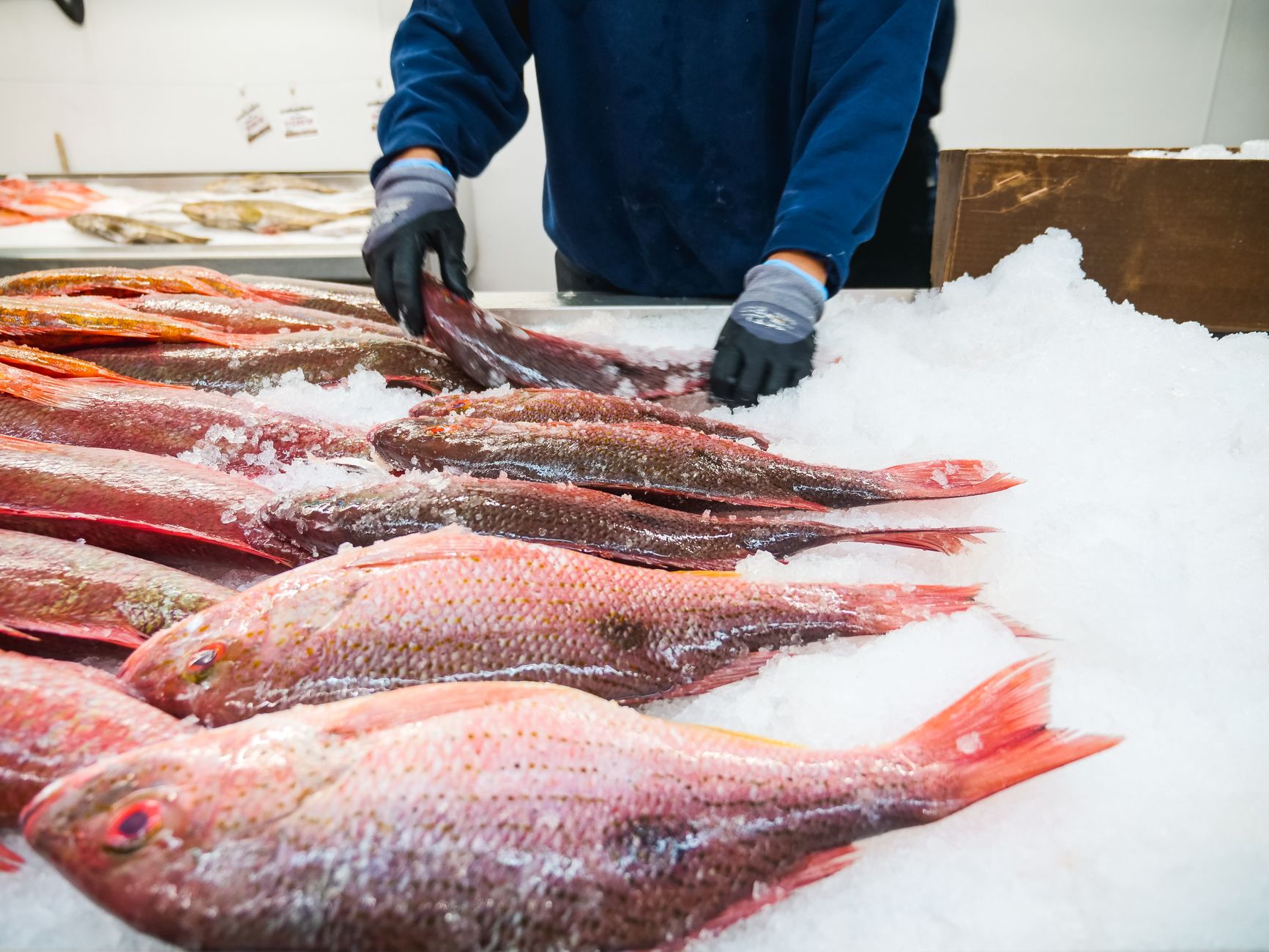
Legislation introduced in the US House would ban commercial harvest and sale of South Atlantic red snapper from federal waters whenever the recreational fishery is closed - a restriction that, at current season lengths, would leave commercial fishers with about two days of access a year.
The South Atlantic Red Snapper Fair Access Act of 2026, filed this month by Representative Austin Scott of Georgia, lands in the middle of a fight that has been running since May. Florida, Georgia, South Carolina and North Carolina had won NOAA-approved exempted fishing permits allowing them to run state-managed recreational red snapper seasons in federal waters, framed as pilot data-collection programs. The Southeastern Fisheries Association, representing commercial fishers, sued. On 21 May a federal judge blocked the permits while the case proceeds, and the states cancelled their seasons.
Scott's bill is the recreational sector's answer.
"South Atlantic red snapper is an important public resource, and access to that resource should be managed fairly," Scott said in a release. "If commercial fishing interests are concerned enough about the current condition of the red snapper fishery to support shutting down recreational access, then commercial harvest and sale of that same stock, from federal waters, should be limited during the same closure. This bill is not about attacking commercial fishing. It is about making sure conservation burdens are shared fairly."
Recreational anglers in the region have been limited to one- and two-day openings in recent years while commercial harvest has stayed open for weeks or months. That asymmetry is the argument the bill's backers keep returning to.
"For years, recreational anglers, for-hire operators, tackle shops, marinas and coastal communities have been forced to accept one- and two-day seasons for a fishery that is showing substantial rebuilding progress and historically high abundance on the water," said Mike Leonard, vice president of government affairs at the American Sportfishing Association. "The South Atlantic Red Snapper Fair Access Act is based on a simple and reasonable premise: if the public is not allowed to fish for South Atlantic red snapper, then commercial sale of that public resource should not continue during the same closure."
"NOAA data show the commercial sector exceeded its South Atlantic red snapper harvest quota in nine of the last 13 years - including preliminary 2025 landings of more than 141 percent of its quota," Angers said. "Yet the same commercial interests that have repeatedly exceeded their own harvest limits went to court to block carefully designed state pilot programs that would have expanded recreational access while improving data collection. If conservation truly requires sacrifice, that responsibility should be shared fairly."
Ted Venker, conservation director at the Coastal Conservation Association, framed the states' permits as an attempt to fix a broken federal data system rather than a raid on the stock.
"The state exempted fishing permits are the result of the states acknowledging that there is a significant problem in the federal data system," Venker said. "Yet the commercial sector sued to stop the state programs before they could even begin for the 2026 season."
Chris Horton of the Congressional Sportsmen's Foundation made the same point about lost data, arguing the lawsuit cost managers information they need to eventually modernise how the fishery is run.
The conservation case against the expanded seasons is not a fringe position, and it rests on arithmetic. Ocean Conservancy, represented by Earthjustice, filed an amicus brief in May opposing the permits. The recreational annual catch limit is 22,797 fish. A single recent two-day Florida season landed 24,885 - already over the limit. Scaling that landing rate across a 39-day season, and ignoring the other three states entirely, the group estimated as many as 485,000 fish could come out of the water.
"Opening the red snapper season for two months - when last year it was two days - is fast-tracking the crash of this species," Ocean Conservancy's senior director of fish conservation, Meredith Moore, said of the expanded seasons. "There's just no way the stock can endure this level of fishing pressure so we can continue to fish for red snapper in the long term."
Earthjustice senior attorney Andrea Treece attacked the legal mechanism rather than the fish counts.
"The National Marine Fisheries Service is trying to use these so-called 'exempted' fishing permits to create an escape hatch," Treece said. "The law doesn't allow them to write themselves a get-out-of-jail-free card when they believe that following the law is inconvenient."
South Atlantic red snapper was first listed as subject to overfishing in 2021, and both sectors have been restricted since. Anglers and officials across the four states maintain the stock is far healthier than the federal estimates show - a claim the exempted permits were meant to test before the court intervened. The states have signalled they intend to apply again for permits covering the autumn.