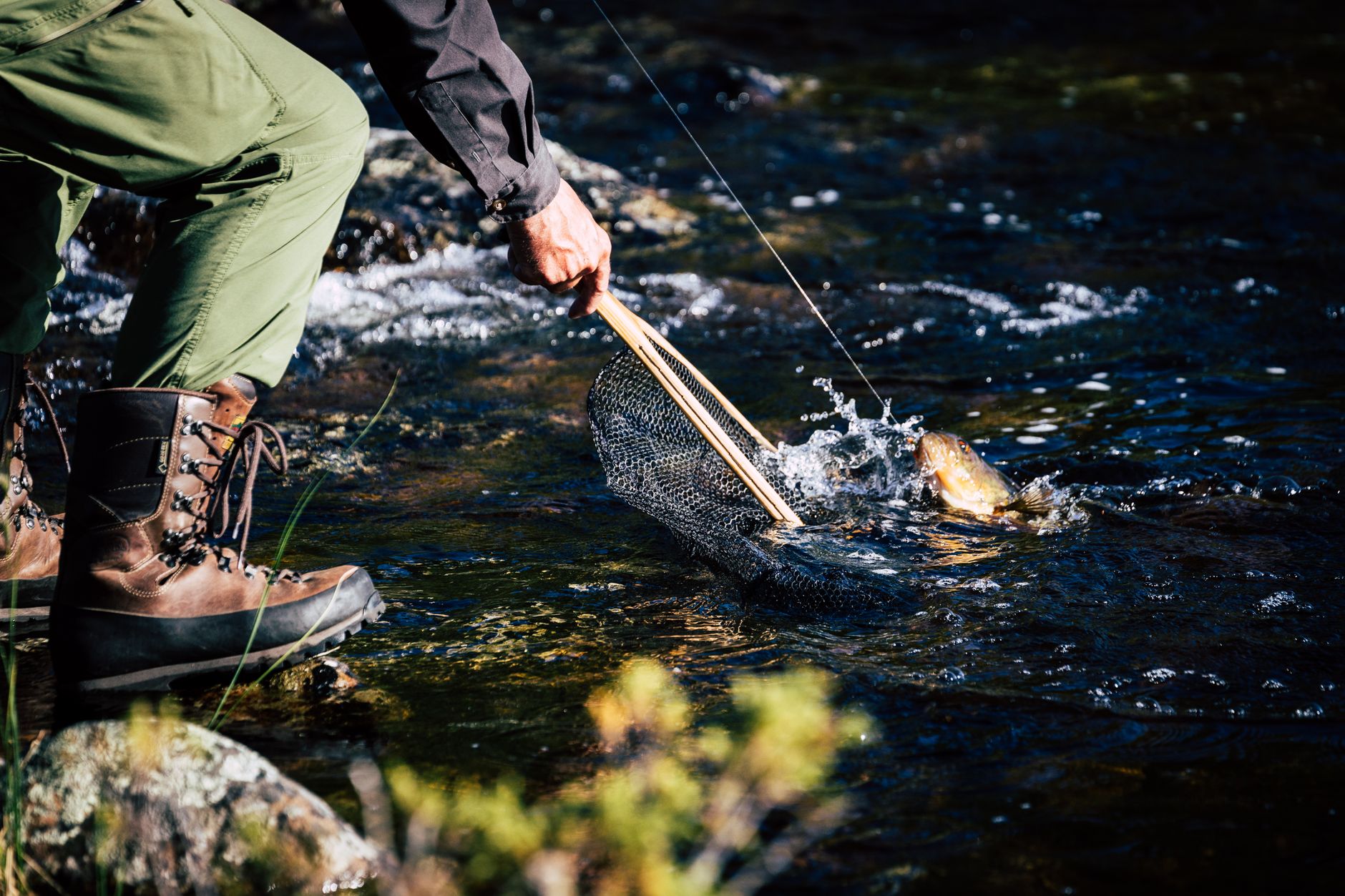
A coho salmon that swims away strongly from the boat is not necessarily a coho salmon that survives. New research from the University of British Columbia, published on 29 July, found that damage to a fish's scales and fins was the single strongest predictor of whether a released coho lived or died - and that the mesh landing nets most anglers regard as fish-friendly were the main source of that damage.
Researchers in UBC's Pacific Salmon Ecology and Conservation Laboratory, led by Dr Scott Hinch, captured 235 adult coho off the west coast of Vancouver Island and held them in seawater tanks for up to two weeks. Ninety-six per cent of fish with little or no skin injury survived. Among fish whose fins or scales were heavily damaged, only 62 per cent did.
The practical advice is blunt.
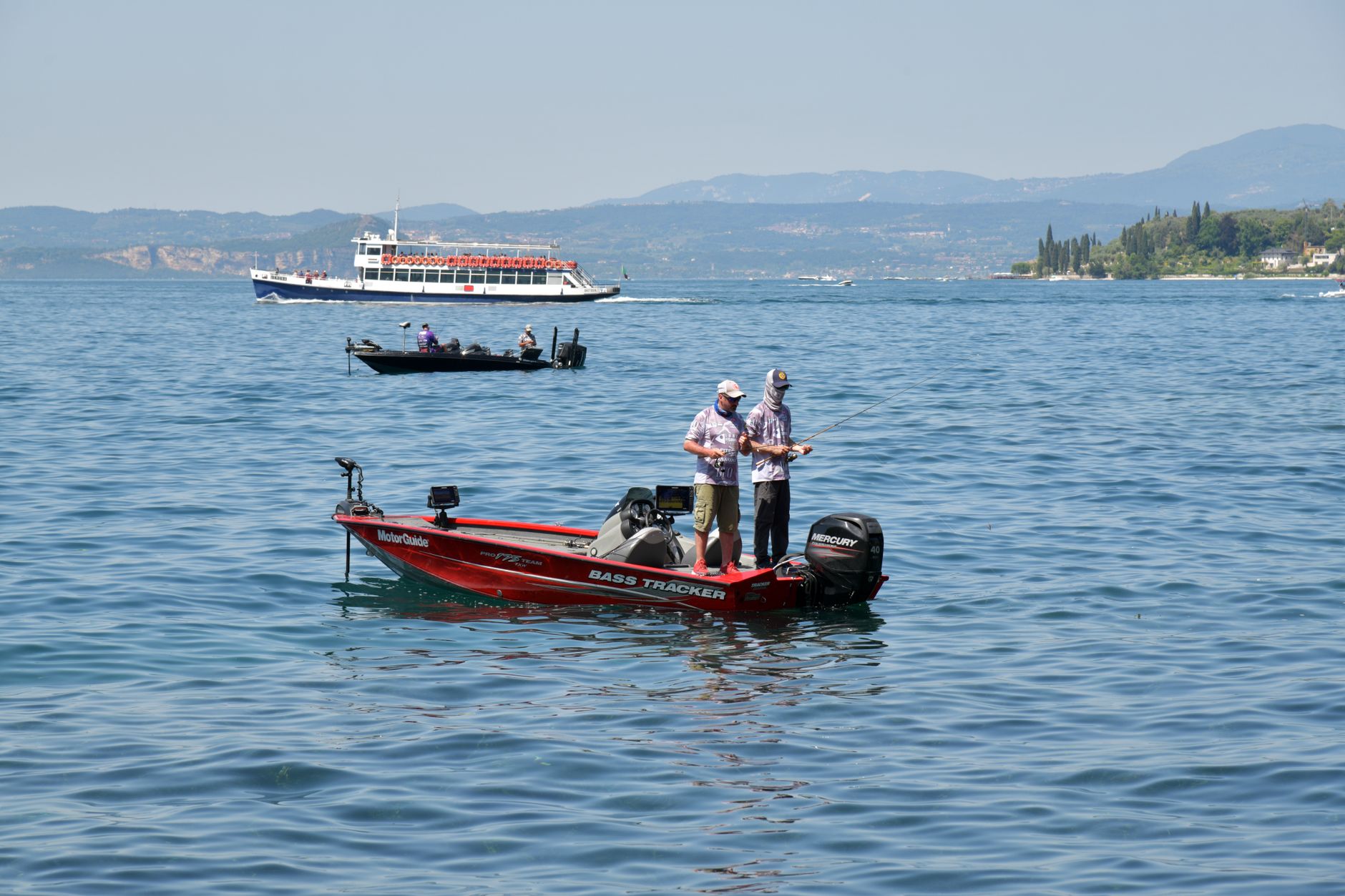
"The main takeaway for anglers is that if they are releasing a coho, they need to do so in the water next to the boat, without using a net," said lead author Quin Johnston, a master's student in Hinch's lab.
Fish landed in smooth, vinyl-coated nets suffered far less fin and scale damage than those landed in conventional mesh. Tandem hooks made things worse on both counts - more severe injuries, and a harder fish to release at the waterline. Not all of the damage came from gear: some fish rolled during the fight and wrapped the line around their own bodies, stripping scales as they went.
"A fish can appear perfectly healthy when it swims away from the boat, only to die days later from injuries sustained during capture and release. Those delayed deaths are largely invisible to anglers," Hinch said.
This is the first experimental test of handling recommendations the same lab published in 2024, after a six-year study that tagged roughly 1,500 salmon with acoustic transmitters and tracked them through receiver networks in the Salish Sea. That work put estimated mortality for released chinook as high as 40 per cent depending on gear and handling, and singled out eye injuries from oversized hooks: chinook with an eye injury were 20 per cent more likely to die within 10 days.
The recreational sector has not fought the findings. Owen Bird, executive director of the Sport Fishing Institute of BC, said at the time that the sector was fully on board with the 15 guidelines that came out of the earlier study, and that anglers take the argument on its merits.
"Respecting the fish is very much a part of the experience, so it's a pretty easy pitch to sell to anglers," Bird said.
Bird also raised the harder cultural ask - the catch photo. Anglers, he suggested, will need to rethink the held-up-for-the-camera shot and leave released fish in the water, saving the trophy pose for a fish that is legally retained and headed for the barbecue.
"We should probably look for a different kind of photo as we move forward, knowing what we know now," he said.
The current recommendations for a coho likely to be released: keep it in the water, skip the net and release at the waterline with pliers or a release gaff, and avoid tandem or treble hooks. The authors add a recommendation anglers may like less - because even careful handling carries risk, they encourage keeping legal coho and stopping once the retention limit is reached, rather than fishing on and releasing.
The researchers are careful about what the numbers mean. Tank holding removes predation and other real-world pressures, so the study identifies the handling practices that give a fish its best chance rather than producing a direct survival estimate for the fishery. Even so, with hundreds of thousands of coho reported released each year on B.C.'s south coast alone, Hinch argues the findings could shift both angler behaviour and managers' forecasts of how many fish actually make it back to spawn.
The project ran as a partnership between the UBC lab, the Sport Fishing Institute of BC, the Pacific Salmon Foundation and the Bamfield Marine Sciences Centre, funded by the B.C. Salmon Restoration and Innovation Fund and NSERC.