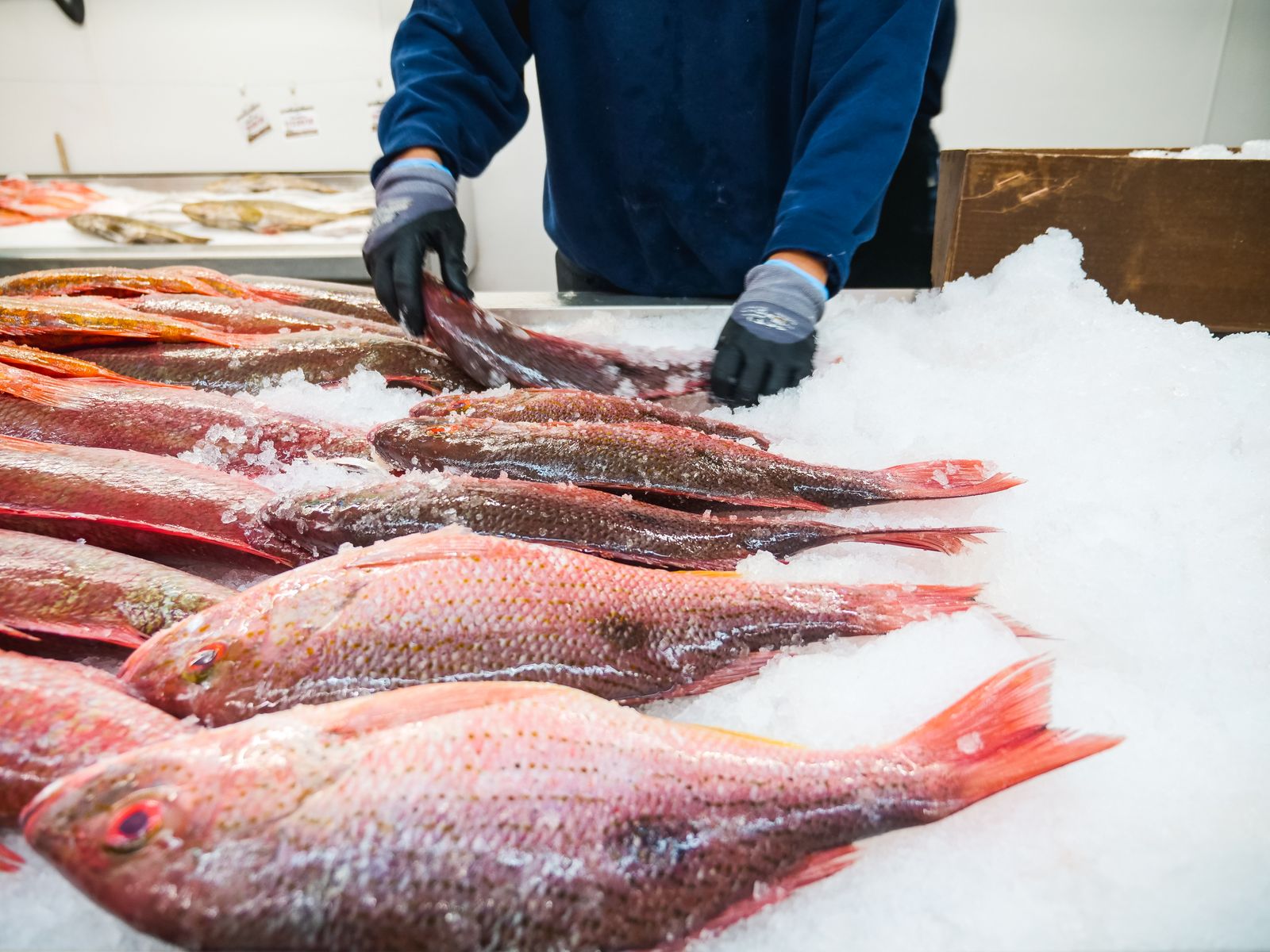
James Oliver leased his fishing units rather than owning them. That single distinction means he will receive none of the $20 million Western Australia set aside when it shut the West Coast demersal fishery.
"The unit holders who own the units are entitled to compensation, and good on them, so they should be, but as a person who leases, nothing," the former Dongara fisher said. He had worked as a deckhand, bought his own boat, leased units and built a wet-line business supplying fresh fish into Geraldton markets - paying $33,000 in unit leases on top of mooring, dinghy pen and commercial shed fees.
He sold the boat to cover bills and now skippers for someone else between Dongara and Darwin. His verdict on the state's handling was "immoral", and his concern is that it happens again.
"Three weeks' notice by a government that's meant to look after you? Morally, it was all wrong."
The closure, covering 900 kilometres from Kalbarri to Augusta, took effect on 1 January to protect stocks including pink snapper and dhufish. Nearly eight months on, seven of roughly 60 licence holders have been paid.
A state government spokesperson confirmed the figure and said some claims are being checked: "Several license holders have requested compensation amounts well above market value of their entitlements, and work is under way to ensure those claims can be validated, and payments are in accordance with taxpayer expectations."
Kalbarri fisher Phil de Grauw, 40 years in the industry, rejects that. He says the offers are pegged to licence value from an earlier buyout and ignore boats, gear and lost earnings. More than 20 fishers have joined him in a class action, and roughly half the displaced fleet - 30 wet-line boats and six shark boats were forced off the water - has retained a Melbourne law firm.
"We made the decision to go for class action and get some lawyers involved, because we had no confidence that they were going to do the right thing here," de Grauw said.
"There's a massive distrust in what's gone on so far. You can see the injustice, but it also puts in a massive cloud of uncertainty for the industry."
He expects little for himself out of it. He also acknowledges the valuation problem is real, given how different the operations are.
"We can't pigeon-hole every fisher, we are all totally different ... there's a real mix of the types of fishing, the size of the boats, the scale, and different bits and pieces that put together what is the wet-line fleet," he said.
Midway through, the negotiations changed hands. The government ended its arrangement with the Perth barrister running the compulsory fisheries adjustment scheme, with Fisheries Minister Jackie Jarvis and the Department of Primary Industries and Regional Development picking it up directly - news delivered to fishers by departmental email.
WA Fishing Industry Council chief executive Manue Daniels said she hopes that speeds settlements up but wants details, and her criticism is aimed squarely at the order of operations.
"The fishery was shut down without the compensation process being sorted out prior," she said. "This has been incredibly hard on the mental health of the fishermen that have been affected by the closure. They haven't been able to pay the bills. It's been hard on families and relationships."
She called the month's notice unacceptable and said there were straightforward alternatives: "At the very least, the government could have easily let them fish until the process of compensation was dealt with, or have the compensation process ready and everything done prior."
Shadow fisheries minister Kirrilee Warr said the handover itself has become a stressor. "A number of fishers have already contacted me concerned about how long the process has taken but are now stressed about how this change may cause further delays."
Jarvis was asked in parliament in March what help existed for businesses that leased licences. Her answer: commercial fishers who lease must renew annually and "are encouraged to consider market conditions, including sustainability concerns, when choosing to enter such commercial arrangements."
The politics have not cooled. Nationals leader Shane Love, speaking at a Lancelin fishing forum that drew more than 120 people, said coastal communities are absorbing the economic and social cost of a knee-jerk approach to fisheries management. Warr has said the government should expect more civil disobedience absent a review. A petition for a parliamentary inquiry has topped 31,000 signatures.
The stock science is a separate argument. What is being fought over now is whether the state paid properly for a decision it has already made - and who it decided did not count.