HONOLULU — After more than six hours of testimony from every populated island in the state, Hawaii's Board of Land and Natural Resources declined to decide anything about aquarium fishing on Friday, sending the proposal back to the agency that wrote it.
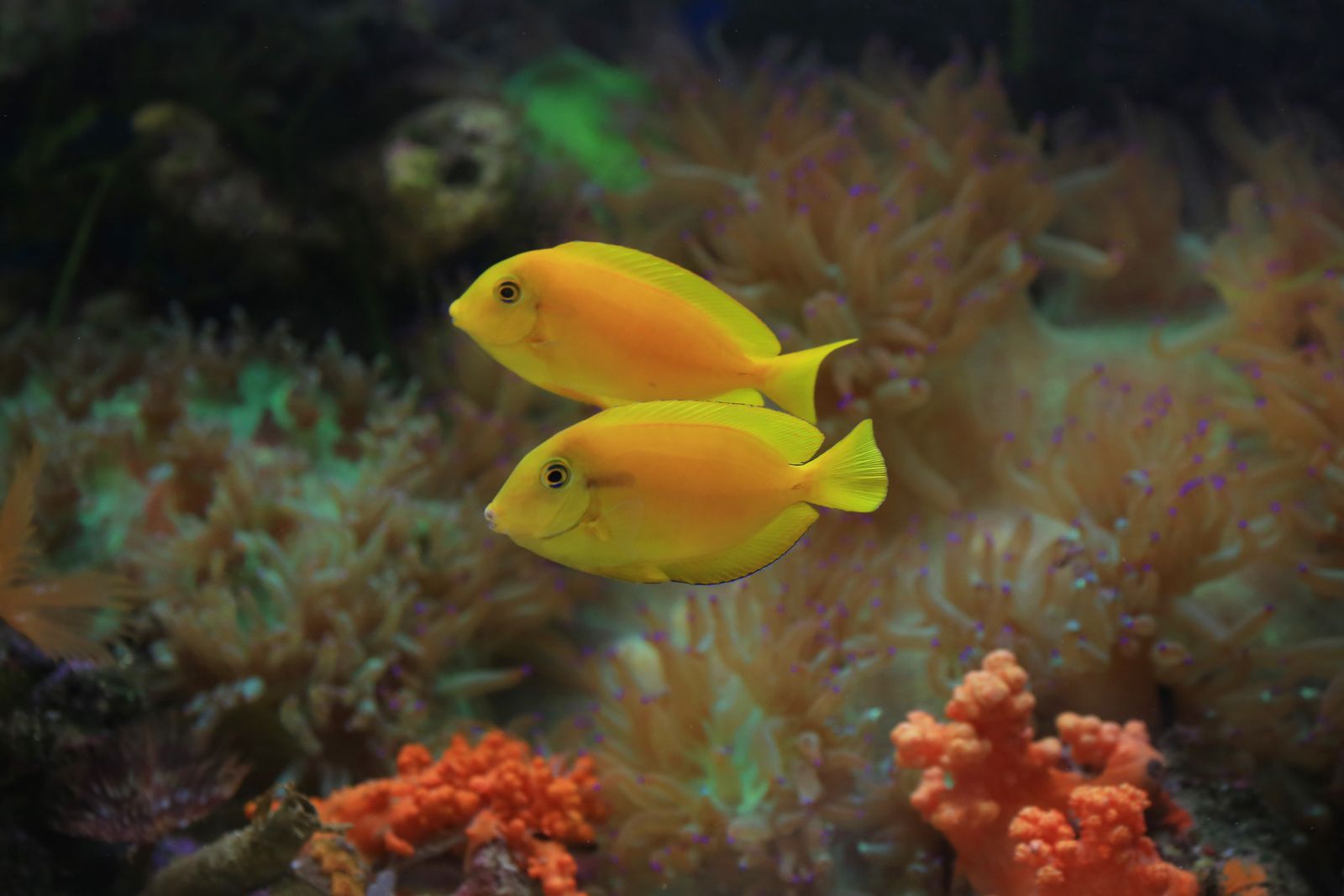
The Division of Aquatic Resources had asked the board to reopen commercial aquarium collecting in West Hawaii under a tightly capped regime: five species only, with annual catch limits of 100,000 yellow tang, 1,068 potter's angelfish, 800 mailili, 344 hinalea iiwi and 182 Thompson's surgeonfish. DAR fisheries management program manager David Sakoda clarified that those limits apply across the entire fishery management area, not to each individual fisher.
The board voted instead to direct DAR to work through alternatives under the public trust doctrine and cultural landscape analyses, and to resolve technical and legal problems before coming back. It gave no signal on the statewide ban that many testifiers wanted. Member Riley Smith had left the meeting around 5:45 p.m. and was excused; member Kaiwi Yoon abstained.
The volume of input was lopsided. Sixty-seven people spoke against reopening the trade and 19,863 submitted written testimony. Thirty-one spoke in favour and 1,525 wrote in — though Sakoda noted the written totals may include duplicate submissions from the same person. All four counties had passed resolutions ahead of the meeting urging a ban, and no elected official testified in support.
Sen. Chris Lee, who grew up collecting aquarium fish himself, told the board he knows what happens when a collector really wants a valuable fish: it gets chased into a coral head, netted, and the coral gets broken. He argued neither DAR nor the enforcement division can realistically monitor the practice even under strict rules — and that permitting it would cost the department credibility it needs elsewhere.
"DLNR made reef decline one of its central justifications for coming in and asking the Legislature for additional budget positions and other things this year to help deal with these issues, and the Legislature provided portions of that," Lee said. "The department, I think, jeopardizes its ability to come in and ask for support when, on the one hand, it's saying the sky is falling ... While at the same time, opening up extraction ... only makes that mission harder and costlier to address."
Wilfred "Willy" Kaupiko, a Hawaii island resident who has been in this argument for at least two decades, framed it in subsistence terms. He described a reef that was plentiful when he was a child and is not now, and said climate change and pollution have already loaded enough stress onto the system.
"If you go for eating, you malama the ocean. That's what my tutu always tells us," Kaupiko said. "We gotta stop this. Malama, take care for our children. That's all we gotta do."
The collectors' case was economic and, in places, angry. Rufus Kimura told the board the trade paid his way through college while he was living in Waianae, and that the 2020 shutdown cost him his business, his employees and his house. He now works in commercial fishing in Alaska.
"The jobs created by this fishery don't stop at the person in the water," Kimura said. "They support families, local businesses, suppliers, transportation, shipping, and other parts of the community. I know this because I created these jobs and then watched them disappear."
Collector Eric Moennich argued the proposed limits were themselves the compromise — a middle path between fishers who want the trade fully open and opponents who want it gone — and said DAR's own fish counts support reopening. He asked for a contested case hearing on the board's direction. The request was denied, because contested cases are not available in rule-making.
Several supporters claimed opponents had been misinformed, had skewed the data, or had been paid to testify. When Yoon pressed them, none produced evidence. He also asked whether captive breeding could substitute for wild collection; some said never, others allowed it might be possible for certain species eventually.
That exchange got tense. Moennich called Yoon biased. Yoon, who said he does not consider caging animals pono, told him he had been genuinely trying to find aquarium fishers an alternative, and pointed to the testimony count as something worth sitting with.
The dispute is now decades old and has run through the courts repeatedly. Aquarium fishing has been banned statewide since December 2020, when courts suspended the commercial marine licences the trade had shifted to after recreational permits were struck down in 2017 — a "loophole", in the description of Earthjustice, which has sued the state twice over it. BLNR looked at banning the trade by rule in 2023 and backed off after the Attorney General questioned its authority. In April, the First Circuit Court found the department does have that authority after all.
The board did not use it on Friday. It asked for more homework instead.