Hawaii's Board of Land and Natural Resources sat through more than six hours of testimony on Friday and then declined to rule, handing a proposal to reopen commercial aquarium fish collecting back to the agency that drafted it.
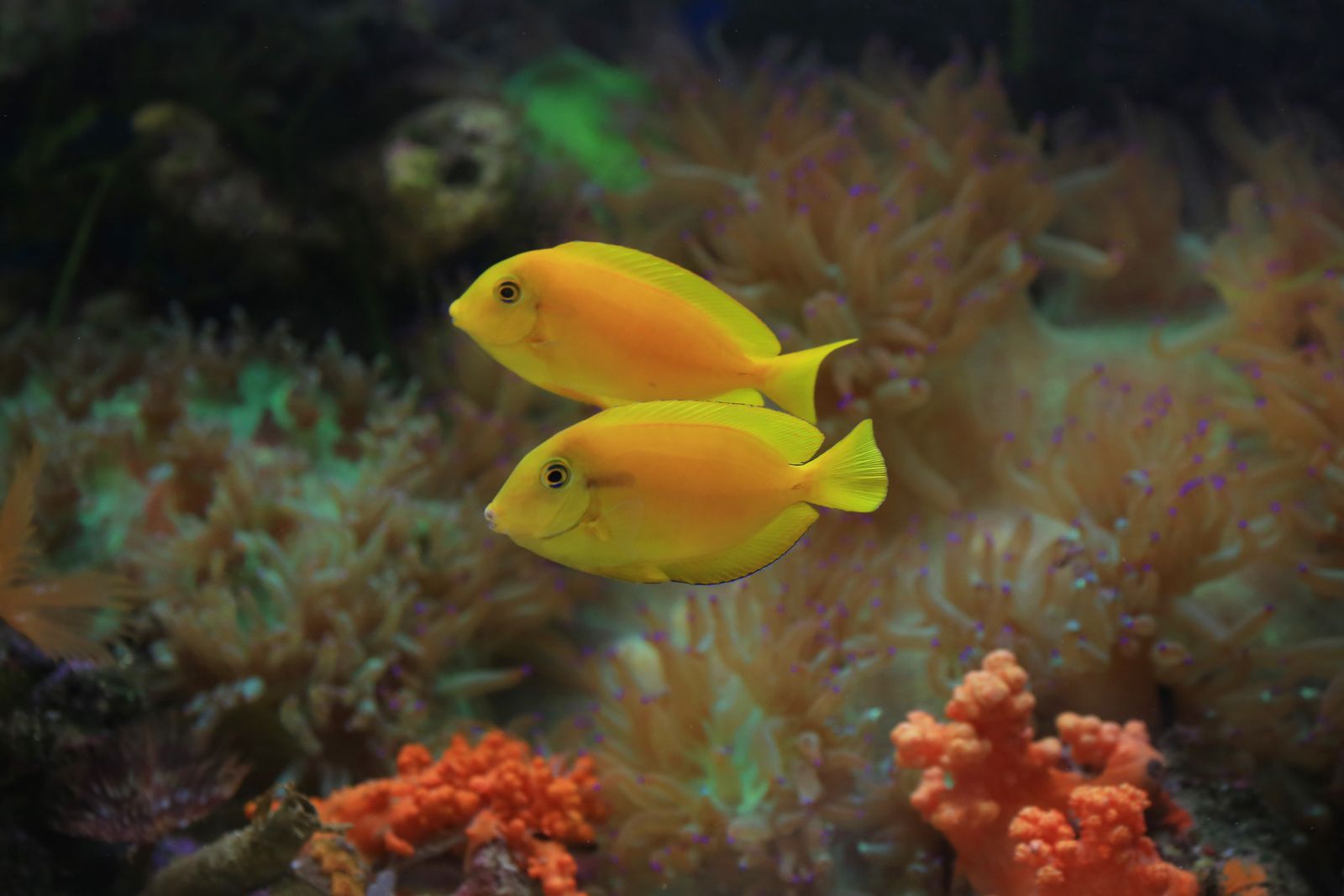
The plan from the Division of Aquatic Resources would have restarted the trade in West Hawaii under caps covering five species: 100,000 yellow tang a year, 1,068 potter's angelfish, 800 mailili, 344 hinalea iiwi and 182 Thompson's surgeonfish. DAR fisheries management program manager David Sakoda told the board those numbers cover the whole fishery management area, not each fisher.
Instead of approving or rejecting it, the board directed DAR to examine alternatives through the public trust doctrine and cultural landscape analyses and to clear up technical and legal questions first. It stayed silent on the statewide ban a large share of testifiers had asked for. Member Riley Smith had left before the vote and was excused; Kaiwi Yoon abstained.
The testimony was not close. Sixty-seven people spoke against reopening and 19,863 filed written objections; 31 spoke for it with 1,525 written submissions, though Sakoda cautioned the written figures may contain duplicates. Residents from Hawaii island, Oahu, Maui, Kauai and Molokai took part in person and online. All four counties had already passed resolutions urging a ban, and not one elected official backed the trade.
Sen. Chris Lee, who collected aquarium fish himself growing up, told the board that enforcement is the flaw no rule set fixes - collectors chasing a valuable fish into a coral head will break the coral, and neither DAR nor conservation enforcement can watch for it. He added a warning about the department's own credibility.
"DLNR made reef decline one of its central justifications for coming in and asking the Legislature for additional budget positions and other things this year to help deal with these issues, and the Legislature provided portions of that," Lee said. "The department, I think, jeopardizes its ability to come in and ask for support when, on the one hand, it's saying the sky is falling ... While at the same time, opening up extraction ... only makes that mission harder and costlier to address."
Wilfred "Willy" Kaupiko has argued this case for at least 20 years. A Native Hawaiian cultural practitioner who eats off the reef, he described watching it empty out over his lifetime and said the ecosystem is already carrying enough from climate change and pollution.
"If you go for eating, you malama the ocean. That's what my tutu always tells us," Kaupiko said. "We gotta stop this. Malama, take care for our children. That's all we gotta do."
For collectors, the argument is livelihood. Rufus Kimura said aquarium fishing paid for his college while he lived in Waianae, and that the 2020 shutdown forced him to close his business, lay off staff, sell his home and move to Alaska for commercial fishing work.
"The jobs created by this fishery don't stop at the person in the water," Kimura said. "They support families, local businesses, suppliers, transportation, shipping, and other parts of the community. I know this because I created these jobs and then watched them disappear."
Eric Moennich, another collector, told the board the strict limits were already the compromise between fishers who want the trade fully open and those who want it ended, and pointed to DAR's fish counts as support. He sought a contested case hearing on the board's direction; it was denied, since that avenue does not apply to rule-making.
Some supporters accused opponents of being misinformed or paid to testify. Pressed by Yoon, none could substantiate it. Yoon also asked whether captive breeding might be a route forward - answers ranged from impossible to plausible for some species.
He and Moennich clashed after Moennich called him biased. Yoon replied that while he does not think caging animals is pono, he had been actively looking for an alternative for aquarium fishers, and urged them to take the weight of the opposing testimony seriously.
The legal history behind Friday's meeting is long. The trade has been shut statewide since December 2020, when courts suspended the commercial marine licences used after recreational permits were struck down in 2017 - described by Earthjustice, which has sued the state twice, as a loophole. BLNR considered a ban by rule in 2023 but stepped back after the Attorney General questioned its authority; the First Circuit Court found in April that the department does hold it.
On Friday, the board chose not to test that finding either way.