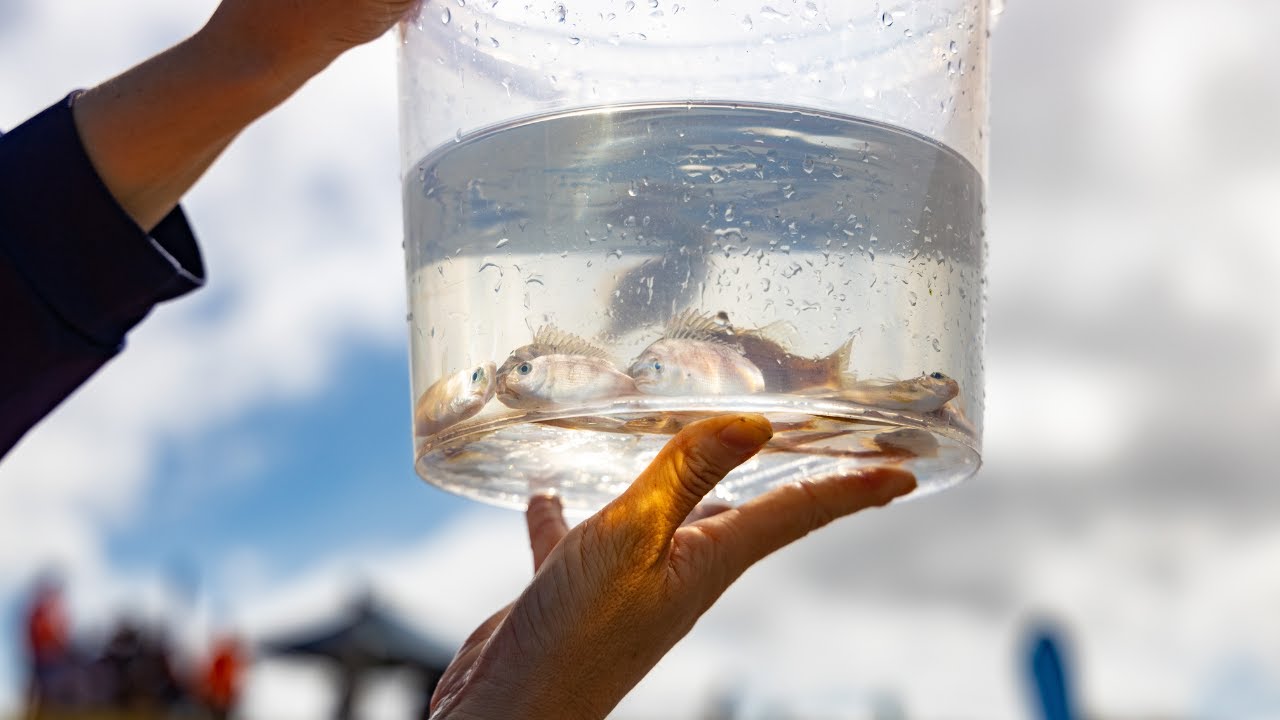
Hundreds of Western Australian families have gathered at Cockburn Sound for the 2026 edition of Recfishwest’s Snapper Guardians program, releasing hatchery-raised pink snapper into the country’s largest west coast spawning aggregation as the project edges closer to a one-million-fish stocking target over the coming years.
The Snapper Guardians program is built around a community release event held at the foreshore each year, with fish reared at the Department of Primary Industries and Regional Development’s Hillarys hatchery from fertilised eggs collected in Cockburn Sound the previous spawning season. This year’s release fish were 111 days old, having been carried by the hatchery through what is widely considered the most vulnerable window of a pink snapper’s life cycle.
"The guys from the hatchery at Deeperd have done a brilliant job this year," the program spokesperson said at the release. "The fish were 111 days old. Collected out here as fertilised eggs back in November, taken back to the hatchery, helping them get through that riskiest part of their life cycle. Nice fat and healthy fish. All swam away healthy with the help of the community here today."
Cockburn Sound is regarded as the largest pink snapper spawning aggregation on the WA west coast. The embayment has been the subject of escalating concern across the past several years, with pressure from urban development, industrial water-quality risks and recreational fishing demand all rising in tandem.
Recfishwest positions the program as a fisheries science project and a community advocacy vehicle running in parallel. According to commentary at the release, the WA state government has committed continuing funding to support the project, with a long-term target of more than a million pink snapper released over the next several years.
"State governments backed this project in now since we've been doing it for 10 years with some funding to support ongoing activities here with a target of over a million pink snapper in the next couple of years," the spokesperson said, "which is a great outcome and testament to all of the community out there that stood up and had their voices heard."
The foreshore commentary tied Snapper Guardians directly to a broader stewardship message aimed at policy-makers and developers operating around the sound. The program’s framing positions recreational anglers as accountable custodians of the resource and, in turn, as a constituency that government and developer interests must consult.
"And now we've got this great stewardship program that sends a very clear message to developers, whether it be private or public or government, that there's a lot of people with some skin in the game here and they need to be held accountable to anything they do down in this part of the world that puts this environment at risk," the spokesperson said.
Families on the foreshore highlighted the educational rather than purely scientific dimension of the day. Parents interviewed at the release said the program gives children a sense of ownership over the snapper fishery they hope to fish in a decade’s time, and noted that the catchable return of these fish to the recreational sector remains a long-horizon proposition.
"It's so good for the kids — just releasing all the snapper back into the ocean here," one parent said. "Obviously with the new laws that they brought in that they're trying to stop the snapper fishing, it's good to see this."
A second attendee linked the day directly to the ongoing debate around how WA recreational fishing licence fees should be deployed, arguing that hatchery and stocking programs were the highest-value use of angler-paid funds.
"I think we should be doing more of it. To be honest, that's what our licence money should be going to. Anything to boost the stocks gives the kids a bit of custodianship over the fish, so that they respect the fish when they catch them," the angler said. "You always want that big trophy fish. So, one day, could be 10 years time, it could be one of these."
With the WA Department of Primary Industries already finalising broader demersal rule changes for the west coast bioregion later this winter, the message from the 2026 Snapper Guardians release was that the long-term recovery of WA’s prized pink snapper fishery will rely as heavily on hatchery-led community stewardship and water-quality protection as it does on bag limits and seasonal closures.