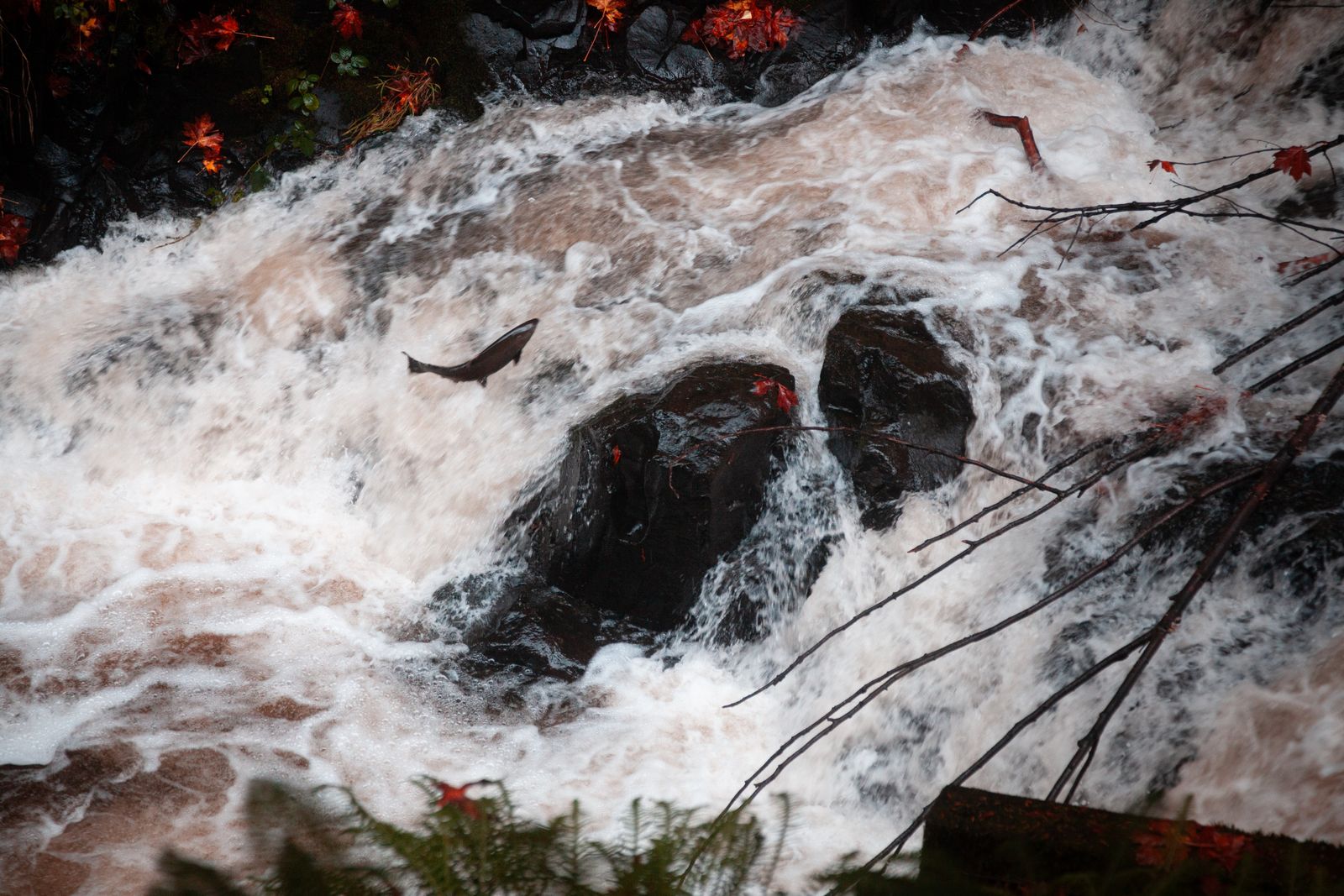
The federal and British Columbia governments will spend $106.5 million over five years on a new British Columbia Fisheries Fund, announced in Victoria on August 20 at the close of the annual meeting of the Canadian Council of Fisheries and Aquaculture Ministers.
Ottawa covers 60 per cent. The province puts in $42.58 million. The money replaces the British Columbia Salmon Restoration and Innovation Fund, launched in 2019, which paid for more than 170 projects over seven years.
Three of the fund's four pillars carry over from the old program: innovation, infrastructure, and scientific partnerships. The fourth is new, and it is the one that explains the timing. Market development and diversification was added in direct response to trade pressure from the United States.
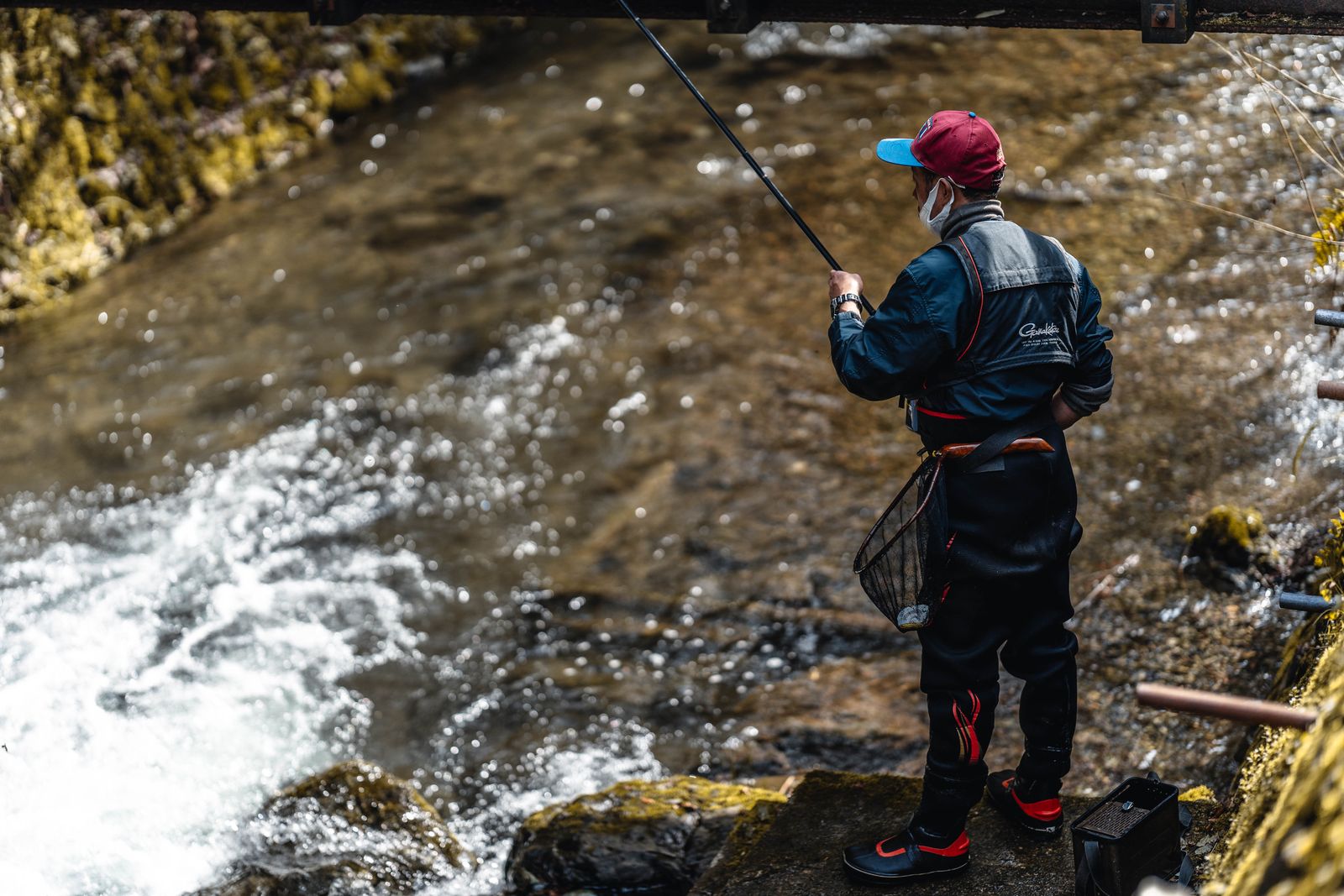
Federal Fisheries Minister Joanne Thompson framed the renewal around both continuity and that new pillar.
"The British Columbia Fisheries Fund continues seven years of joint work with the province, building on our success, and creating new opportunities," Thompson said. "There is room in it for harvesters and scientists to work together, which matters as conditions in the water keep changing. [...] Finding new markets is a new priority in this Fish Fund renewal, and that reflects the reality of the industry in this present moment."
"Salmon restoration is the foundation of a strong and sustainable seafood sector," Neill said. "Without healthy salmon populations and resilient watersheds, there is no long-term future for the markets, jobs and communities that depend on them."
She has been explicit that habitat work remains the province's first call on the money. "Salmon and watershed restoration remain a key priority for B.C., and this new funding will continue to ensure this," she said.
Lana Popham, B.C.'s Minister of Agriculture and Food, made the export case.
"British Columbia's diverse seafood industry produces high-value, in demand sustainable products that are enjoyed by families throughout the province and around the world," Popham said. "This new fund will help B.C.'s fisheries increase opportunities and competitiveness while providing good jobs for British Columbians and supporting economic growth in coastal communities for generations to come."
Nationally, the fish and seafood industry contributes more than $8 billion to the economy, supports over 63,000 jobs and exports $8.5 billion in product.
What the announcement did not do was resolve the question that dominated the province's side of the ministers' meeting. The federal deadline to end ocean-based salmon farming on the West Coast lands in 2029, and the plan setting out how that transition works has still not landed. Thompson said it was in its "final stages" almost a year ago.
Neill listed the issue among the priorities she raised in Victoria.
"During our discussions, I highlighted B.C.'s ongoing priorities, including support for salmon recovery, watershed protection, recreational fishing data, invasive-mussel prevention, timely and effective permitting processes for major projects and greater certainty regarding the future of aquaculture and the transition of open-net pen operations," Neill said in a statement.
The gap matters commercially. Farmed salmon is the largest single component of B.C. aquaculture - roughly 54,000 tonnes in 2024, worth more than $500 million at the farm gate. SeaWestNews, which covers the sector closely, notes that every salmon farm in the province now operates in formal partnership with a First Nation, generating about $134 million a year in direct benefits to Indigenous communities and supporting more than 1,000 Indigenous workers. Industry and its Nation partners argue a stable policy framework would let the sector reach $2.5 billion in annual economic activity and 9,000 jobs.
So the fund answers the question of what gets restored and where the product gets sold. It leaves open the one about who is still farming in 2030.