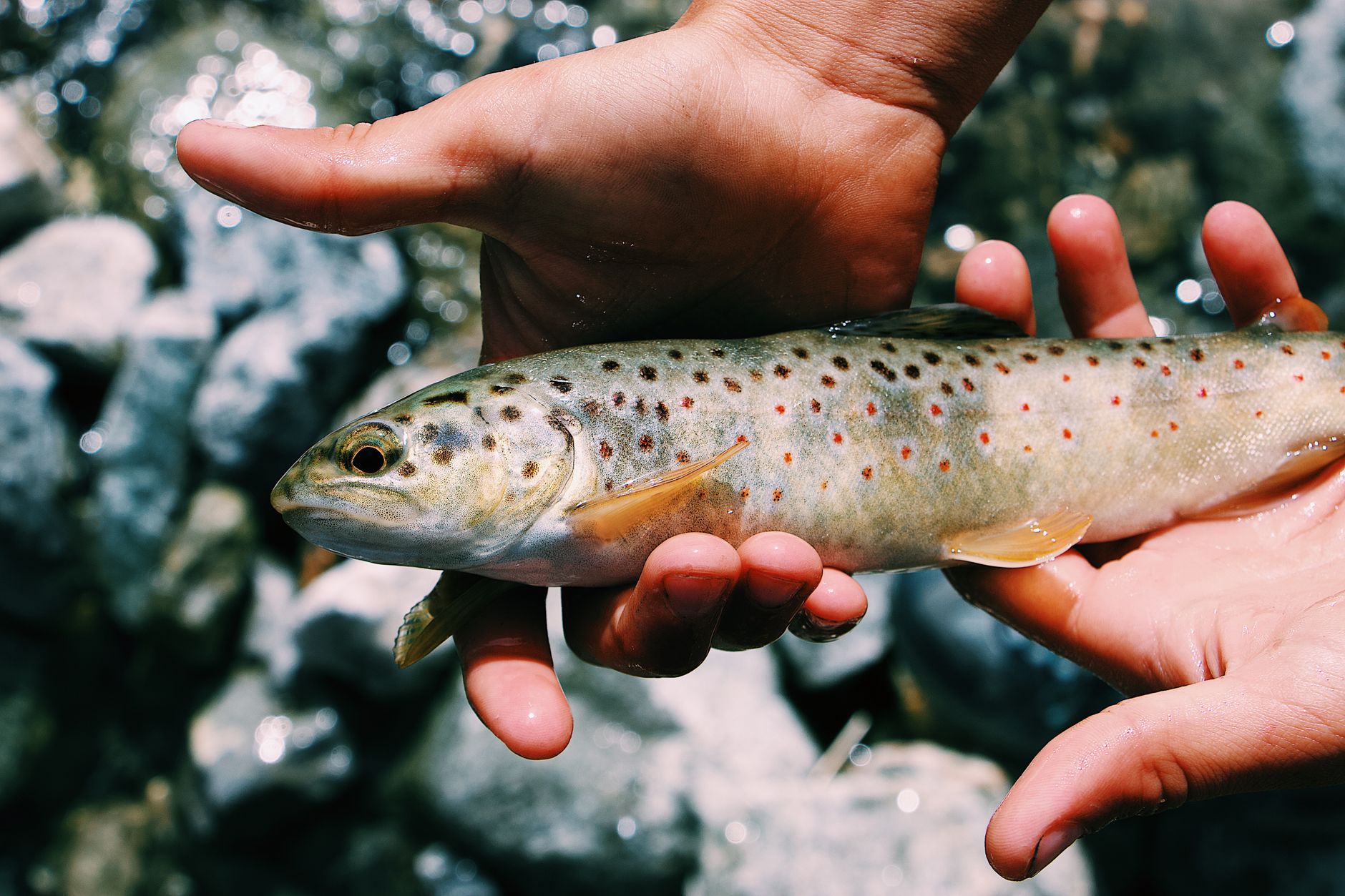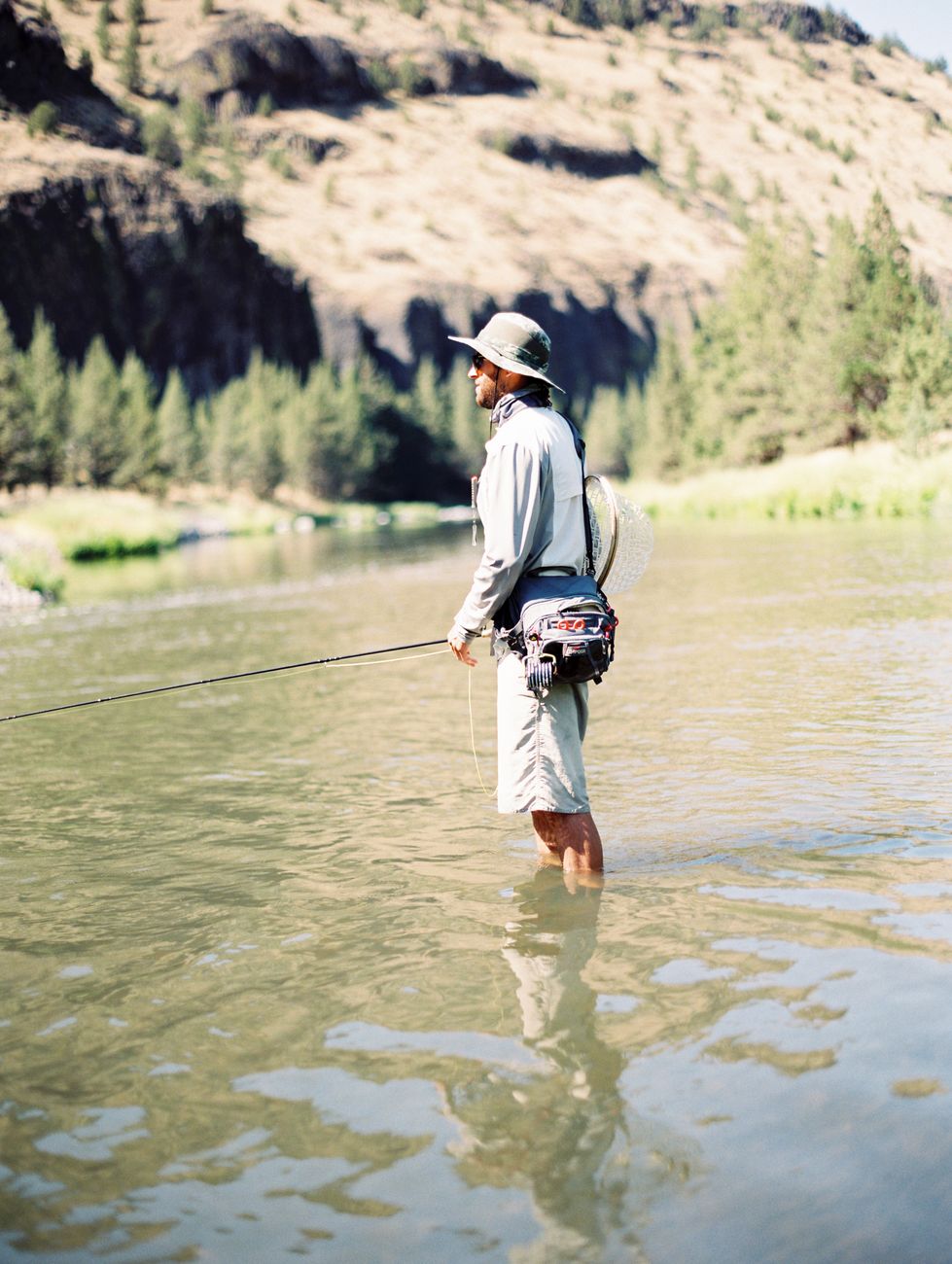
Steelhead and salmon fishing closes on much of the Deschutes River from 15 August after one of the weakest wild runs the Columbia Basin has recorded, and Oregon's fish managers say a reopening this autumn is unlikely.
The trigger is a number. Just 7,388 wild steelhead passed Bonneville Dam between 1 July and the end of the month. Under the Deschutes River Steelhead Management Framework, a minimum of 9,900 wild fish have to clear the dam in July for the fishery to stay open. They did not.
"We won't know until later this fall or maybe even next spring exactly where this year ranks," ODFW fish biologist Jason Seals told The Bulletin. "But it seems very similar to 2021. Based on what we're seeing at Bonneville, it appears Deschutes steelhead are going to be in the top five lowest returns on record dating back to 1976."
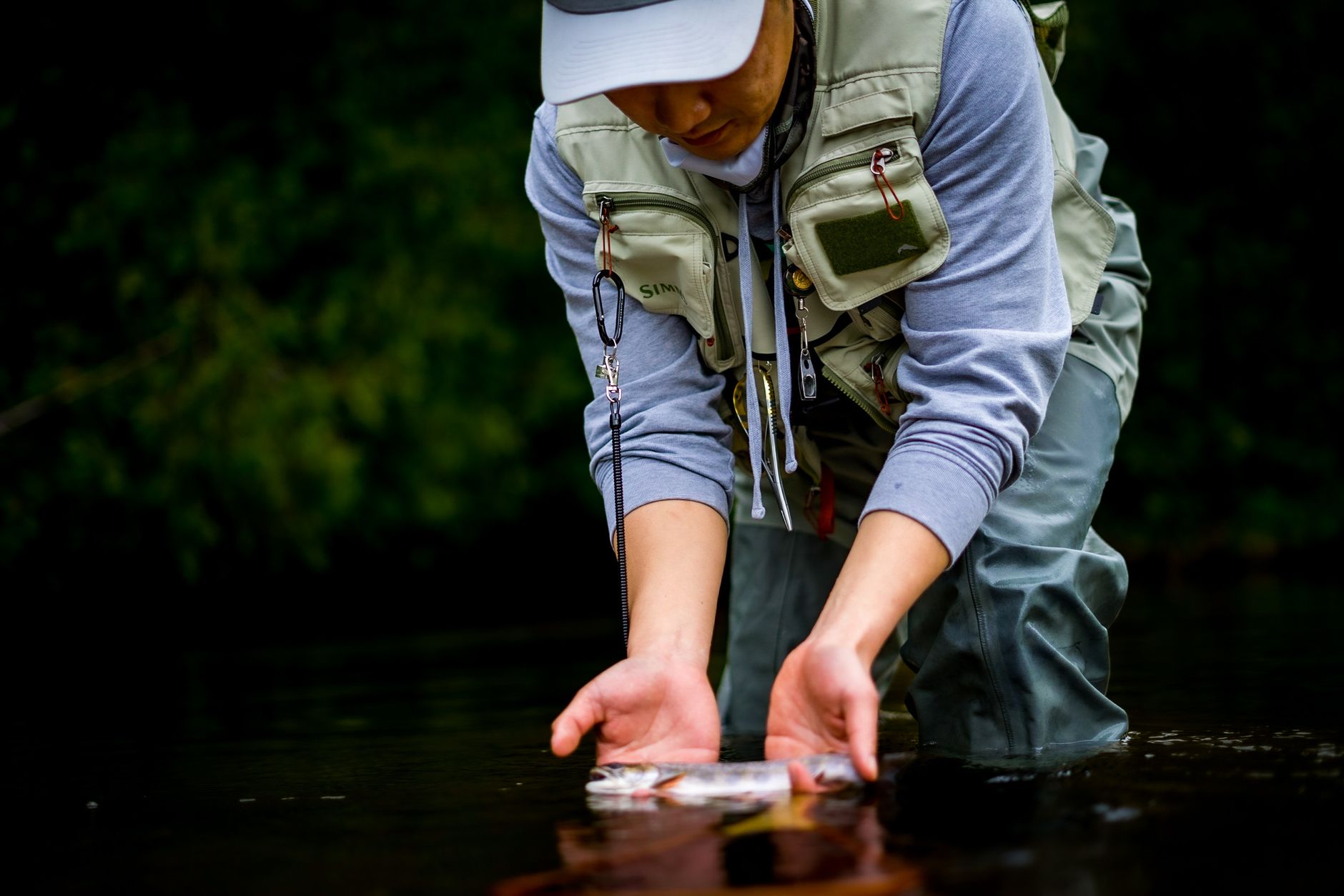
2021 is the comparison that stings. That year's run was the lowest since counting began, and it closed the Deschutes to steelhead fishing for the first time since 1978. The framework now being applied was built in the wake of that closure, precisely so anglers, guides and river towns would know in advance what number does what.
Chinook and coho fishing closes alongside steelhead in the affected reaches, because ODFW cannot separate the encounters. Trout fishing stays open, and so does fall chinook from Sherars Falls downstream to the railroad trestle, where decades of monitoring have shown very little incidental steelhead catch.
"We've monitored those fisheries for decades," Seals said. "The risk is very low with those fisheries of having an impact on steelhead."
Even under catch-and-release rules the arithmetic works against the fish. Anglers on the Deschutes may already keep only hatchery steelhead, but ODFW notes that fishing pressure and handling still cause indirect mortality to wild fish, and thin runs also make it harder to collect enough hatchery broodstock.
Why the run is so poor is not a single answer. Seals points to a decade-long drought that has cut flows in the tributaries where steelhead spawn and rear, and to poor ocean conditions. Steelhead spend much of their marine life near the surface, which makes them unusually exposed to warming surface temperatures. In years when pink salmon are abundant in the Pacific, they also compete with steelhead for food.
"Fish need water," Seals said. "Less water means less steelhead."
ODFW's own framing is broader still. Upriver summer steelhead bound for waters above Bonneville, including the Snake River Basin, have returned poorly for over a decade, and after clearing Bonneville they still have as many as eight dams to negotiate before reaching spawning grounds. Wild upriver summer steelhead have been listed as threatened under the Endangered Species Act since the late 1990s.
The closure was not a surprise to anyone watching the counts. Oregon and Washington managers finalised preseason planning in June knowing the forecast was bad. Writing for the Native Fish Society in mid-June, Daniel Ritz noted that 2026 returns to Bonneville were tracking on par with or slightly below a ten-year average he described as already abysmal, and quoted ODFW's own June release: "While steelhead returns are challenging to forecast, the 2026 forecast for upriver summer steelhead is poor, and fishery managers are planning for another low return."
The Native Fish Society has argued that the framework has a structural weakness at the front of the season. The Deschutes can open early on the strength of the previous year's escapement, currently a threshold of 625 wild spawners, and Ritz argued that using last year's return as a proxy for this year's run risks allowing fishing pressure in exactly the wrong summer. Water temperatures are also highest before 15 August, which raises catch-and-release mortality. Temperatures on the lower river were already exceeding 68 degrees during the day when he wrote in June.
"We'd have to average almost 500 unmarked steelhead a day at Bonneville," he said. "We've only had one day, so far, over 500, and typically as August progresses we're past the peak and the numbers decline."
Nor does the damage stop at the Deschutes. ODFW says closures may continue into the new year, since A/B-Index steelhead hold in the mainstem and tributaries above The Dalles Dam through winter and early spring. The John Day, Umatilla, Grande Ronde and Imnaha all have frameworks of their own, and decisions on those rivers come later in the year.
"Nobody wants to see this," Seals said. "We're just trying to do what we can to conserve steelhead. Hopefully next year and the year after we'll see more steelhead, and we'll be back to fishing again."