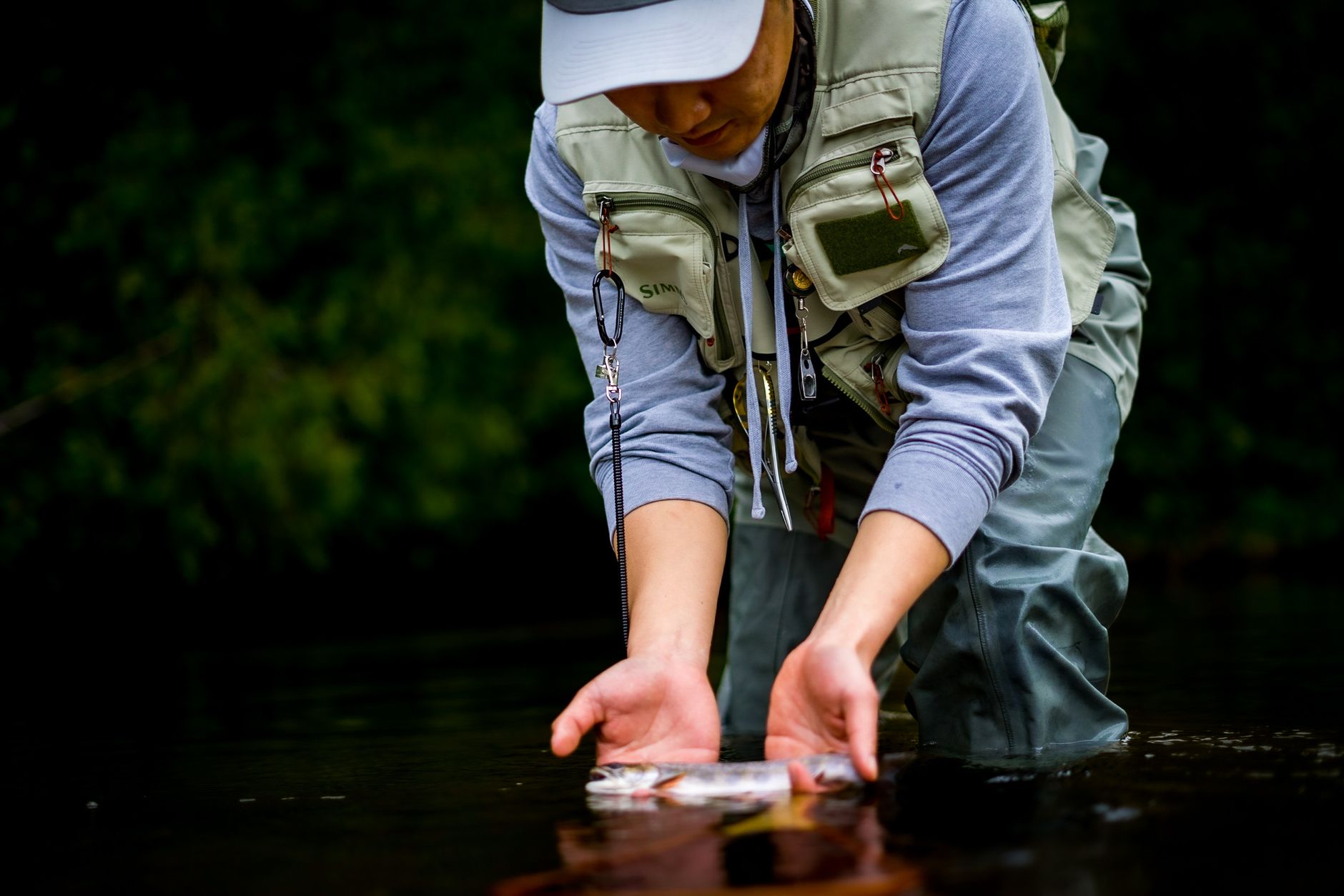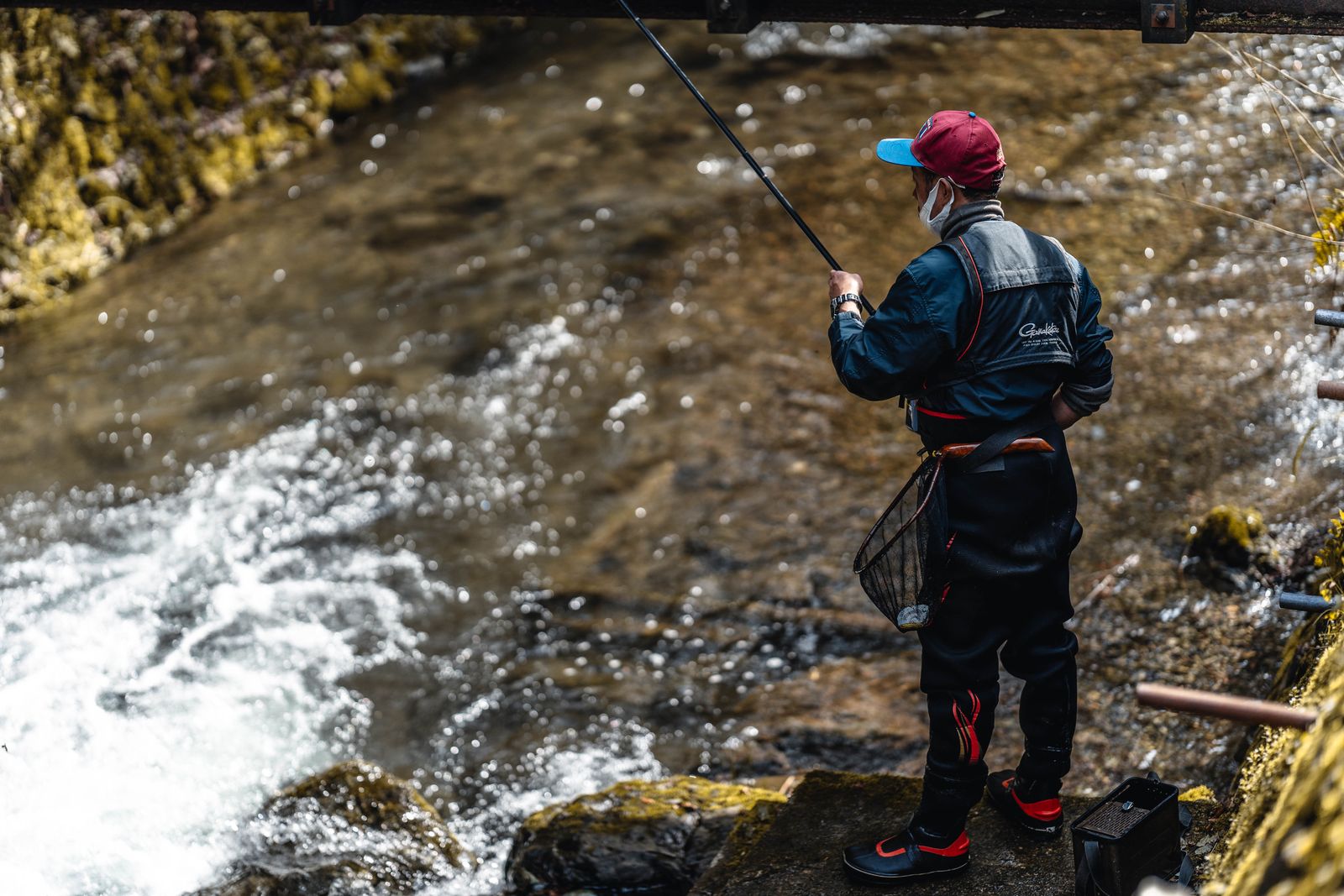
Three anglers in Tillamook County are being sued for $100,000 each because nobody can say for certain whether the river they were standing in belongs to the public.
In June, property owners Gary Stover, Nicholas Stover and ACC Outdoors LLC filed suit against Andrew Hunter, Anthony Collins and Kent Floro over a stretch of Three Rivers near Hebo, on the northern Oregon Coast. The landowners say the anglers fished on their land, and that their deeds carry the riverbed to the centre line. The anglers say Three Rivers is navigable under Oregon's statehood laws, which would make the bed state-owned and the fishing lawful. The case is listed for Tillamook County Court in November.
The disputed water sits just below the Cedar Creek Fish Hatchery, where hatchery salmon return to spawn. Public land borders one side of the popular hole. A few yards downstream, a wire runs across the river hung with No Trespassing signs and warnings that violators will be civilly prosecuted.
Wesley, a Hebo angler who gave only his first name to Oregon Public Broadcasting because of the atmosphere around the lawsuit, is a friend of two of the defendants and stated the anglers' understanding of the rule plainly.
"You can walk the river up and down, as long as you're in the water, and fish wherever you'd like," he said.
The landowners' filing says the anglers were told they were trespassing, refused to leave, exchanged angry words and said they would be back.
Everything turns on one word: navigable. When Oregon became a state in 1859, waterways usable in their natural condition for commerce and transport became state property, and therefore public. But specific waters were never itemised. The state has designated exactly 14 officially navigable rivers. That leaves roughly 100,000 miles of Oregon waterway undesignated - including the Deschutes, which tens of thousands of anglers fish every year.
The Oregon State Marine Board sets out the public's side of the bargain and its limit: "You have the right to recreate on state-owned ('navigable') waterways, including submerged and submersible lands," it advises, before noting that the public trust doctrine "does not permit trespassing on private land" and that anyone crossing private ground to reach public water needs the landowner's permission.
On a river like Three Rivers, both readings are arguable, and the season decides which. In summer it is a chain of pools joined by gravel bars, impossible to canoe without getting out and dragging - and getting out means standing on the bed. The landowners have lined up a history expert prepared to testify there is no documented navigable use before statehood. In winter the river runs to three times that size and a boat floats through without anyone touching bottom. Anglers point out that trappers and fishermen were certainly working these banks before 1859 whether or not anyone wrote it down.
The Association of Northwest Steelheaders has spent three decades on this, successfully petitioning the State Land Board for navigability studies on the Sandy, John Day and Trask, and taking the Oswego Lake access fight to the Oregon Supreme Court in 2017. That court sent the case back down but concluded that if Oswego Lake is "among the navigable waterways that the state holds in trust for the public", the city of Lake Oswego cannot prevent or control public use.
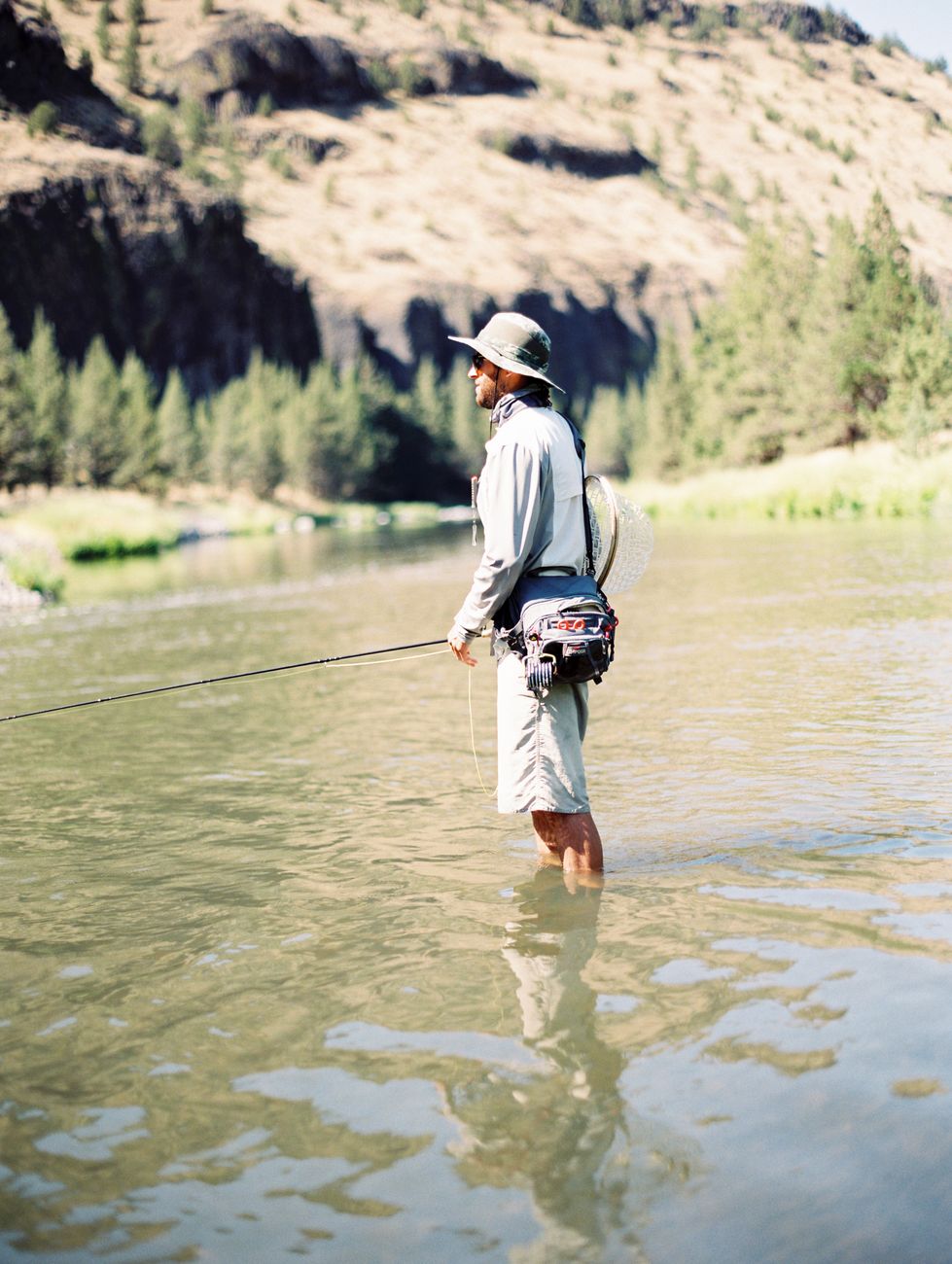
James Adkins of the Steelheaders, fishing the Clackamas at Barton Park in July, described the practical problem: an angler covering water moves.
"In a day, if you're really looking to fish as much water as you can, you might hike a few miles up and down the river," he told OPB. "Unless you have your phone and an app that's telling you, or you've really studied the map, you might not know."
Most anglers fall back on a rule of thumb - feet on the riverbed below the high-water mark and you are fine. On small rivers that is exactly where it breaks.
Adkins does not soften what can follow. "Guns can get pulled," he said. "But it's usually yelling, harassment." His advice: "Call the police."
Law enforcement, for its part, would rather not referee. The Hebo property owners say they asked both the sheriff and the district attorney to remove trespassers and got nowhere.
There is a formal answer on paper and it is not usable at the water's edge. In 2005 Attorney General Hardy Myers issued an opinion, drawing on Oregon Supreme Court rulings between 1869 and 1936, concluding the public may use a waterway's surface unless it is too narrow, shallow or short for a boat to pass. The opinion runs to 33 pages.
A fix was ordered. Senate Bill 74, passed last year and effective 1 January 2026, requires the Department of State Lands to study navigability and report back with recommendations. Pressed by OPB on the lack of progress, the department said it had not yet decided whether further guidance, procedures or rulemaking are necessary.
Designate a river and landowners are angry. Decline to, and anglers are. In the meantime, the answer is being worked out one lawsuit at a time.