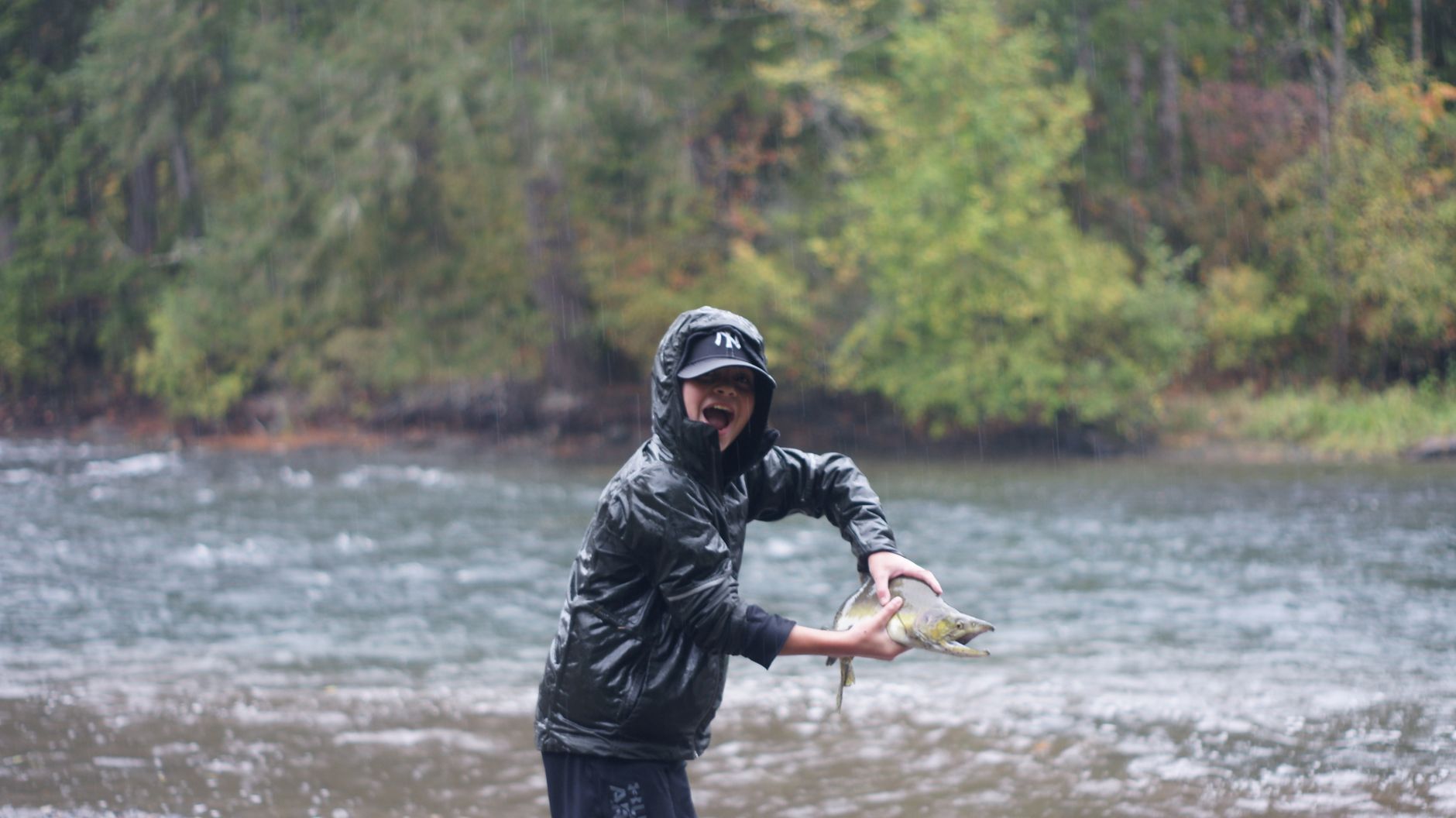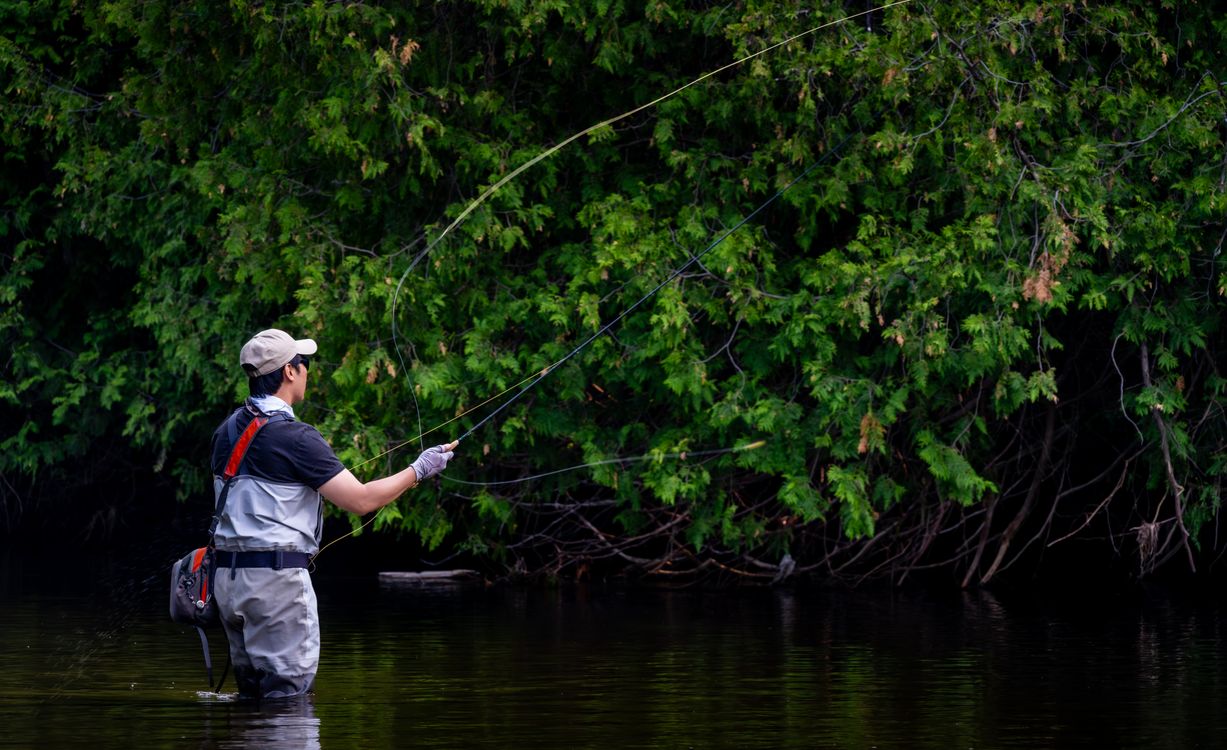
For most anglers, the legality of fishing is not something worth debating. In Oregon this summer, it is on the table.
Campaigners behind Initiative Petition 28 — which they call the "PEACE Act" — handed in about 140,000 signatures in early July, more than a statutory measure needs to reach the ballot. State officials have until early August to verify them. Clear that bar, and Oregonians vote on it in November.
The mechanism is simple and drastic. Oregon's animal-cruelty laws currently carve out exemptions for lawful hunting, fishing and trapping. IP-28 deletes those carve-outs and broadens the definition of "animal" to cover fish alongside mammals, birds, reptiles and amphibians. Without the exemption, hooking a fish could be read as intentionally harming an animal.
The petition's lead sponsor makes no secret of the goal. "We're asking, let's make the default option not kill animals," chief petitioner David Michelson said.
"This extreme proposal is causing a lot of heartburn for a lot of folks across the state of Oregon," said Todd Adkins, executive director of the Oregon Hunters Association. "Commercial fishing is gone. Ranching is gone. It would literally flip this state on its head. It would change everything overnight."
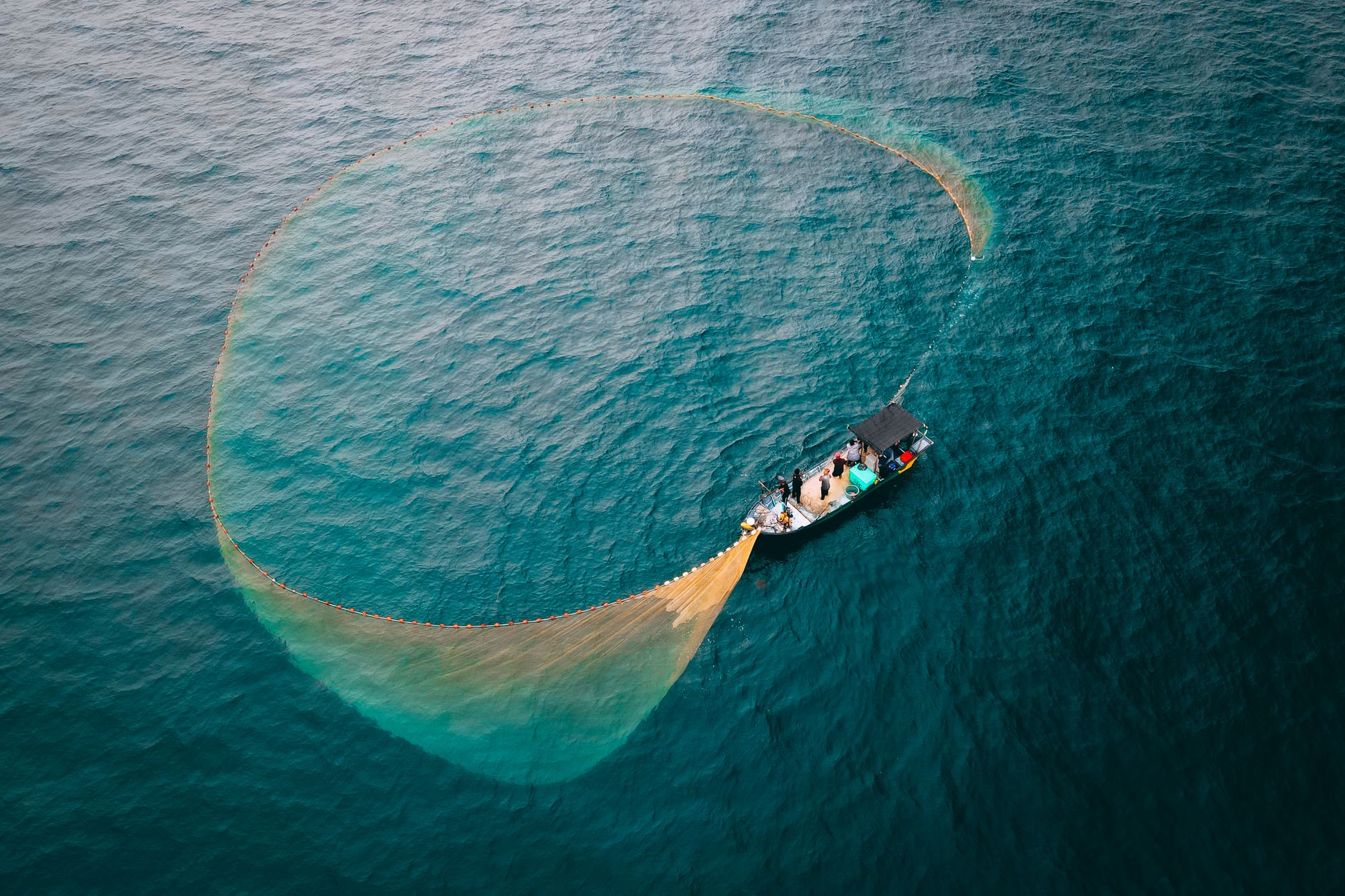
The seafood trade is watching just as closely. Meinert Wachsmuth, owner of Portland's long-running Dan & Louis Oyster Bar, said a ban would ripple through every business that depends on the state's fisheries. "The business implications are definitely going to be challenging if that were to pass," he said.
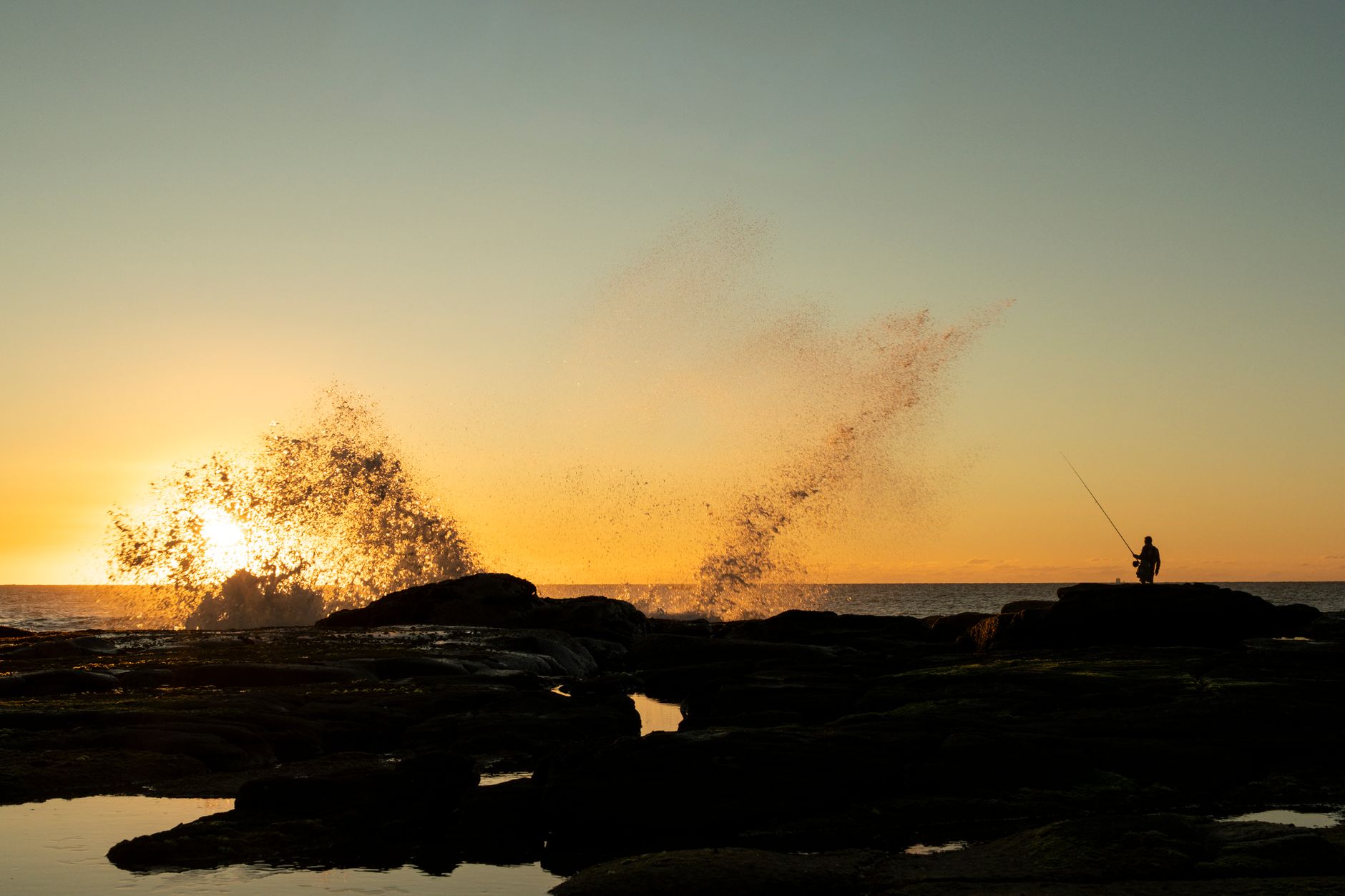
Wachsmuth, who fishes himself, cast the issue as one of personal freedom. "Hunting and fishing create bonds you can't find anywhere else," he said, adding that those who choose not to eat animals should let others decide for themselves: "When you get to that point where you realize the truth and you're going to do everything in your life to support that, that's wonderful. But when you get to that point, give everybody else a chance to come to that point themselves. Don't force them into something that should be a choice."
The reach of the wording is what worries legal observers. A deer taken in season, a trapped furbearer and a fish on the end of a line would all count as animals under the definition, meaning weekend anglers — not just commercial crews — could face criminal exposure. Whether it ever gets that far now rests with the signature count.