America's saltwater rulebook is being rewritten. On July 2, NOAA Fisheries sent each of the country's eight regional fishery management councils a list of "regional priorities" with a common thread — fewer restrictions on how much fish can be pulled from federal waters.
The push flows from President Trump's April 2025 executive order, "Restoring American Seafood Competitiveness," which stated flatly that "the United States should be the world's dominant seafood leader." According to NOAA, the priorities were shaped by 787 individuals and organizations and more than 700 comments submitted in August 2025.
NOAA Administrator Neil Jacobs tied the plan directly to the White House. "These regional priorities are a critical step in our efforts to fulfill the President's vision of making the United States the world's dominant seafood leader," he said.
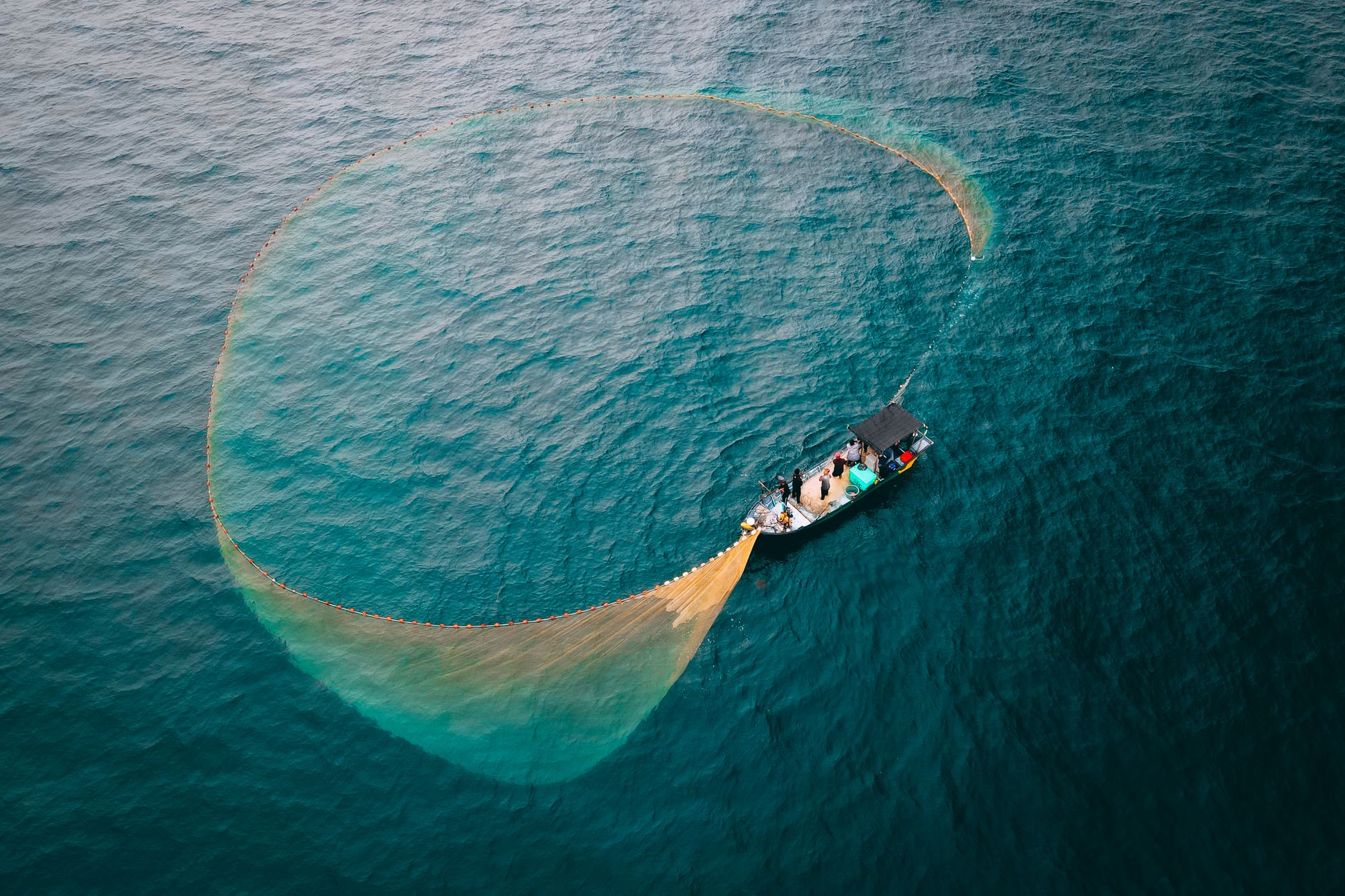
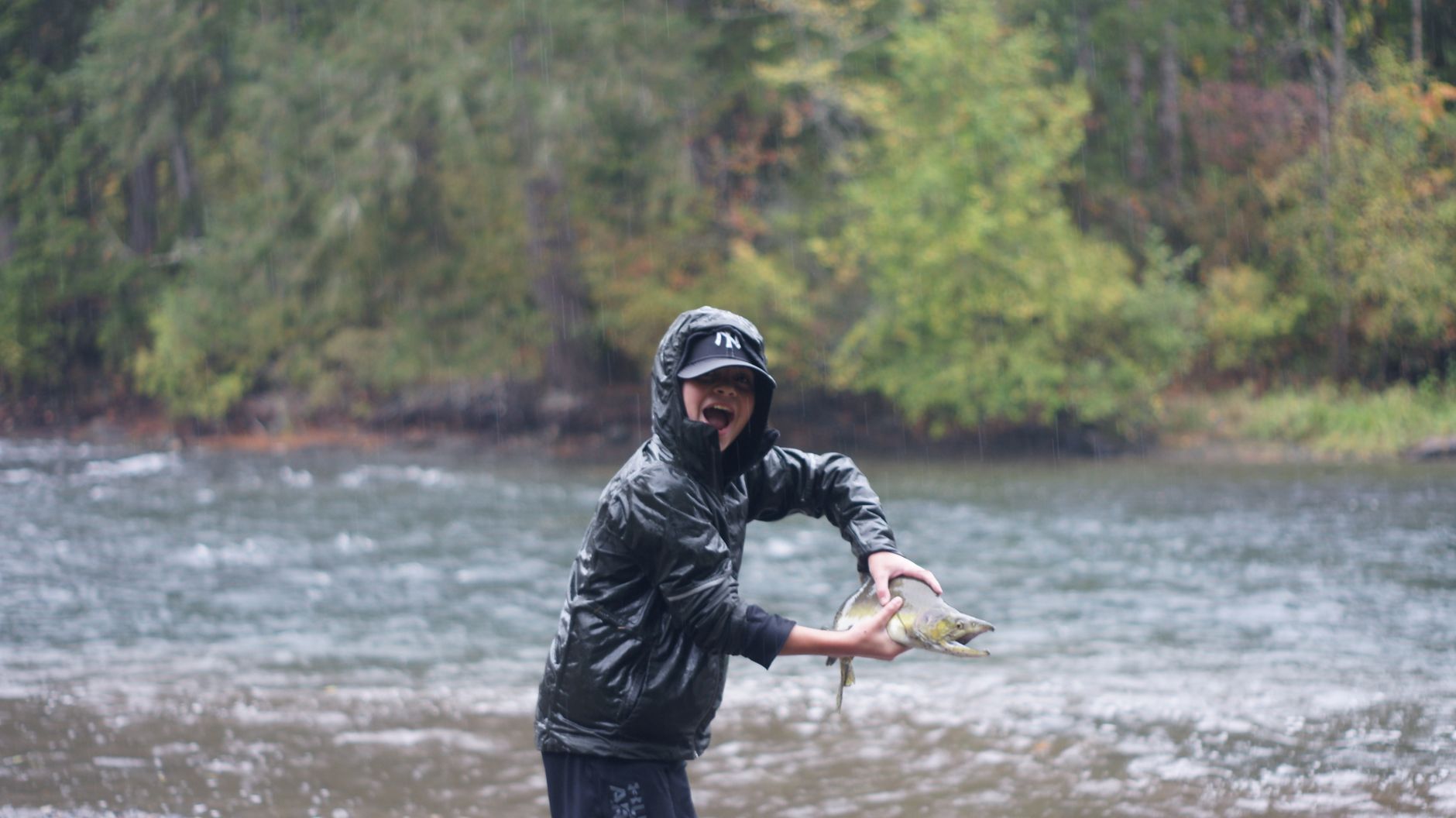
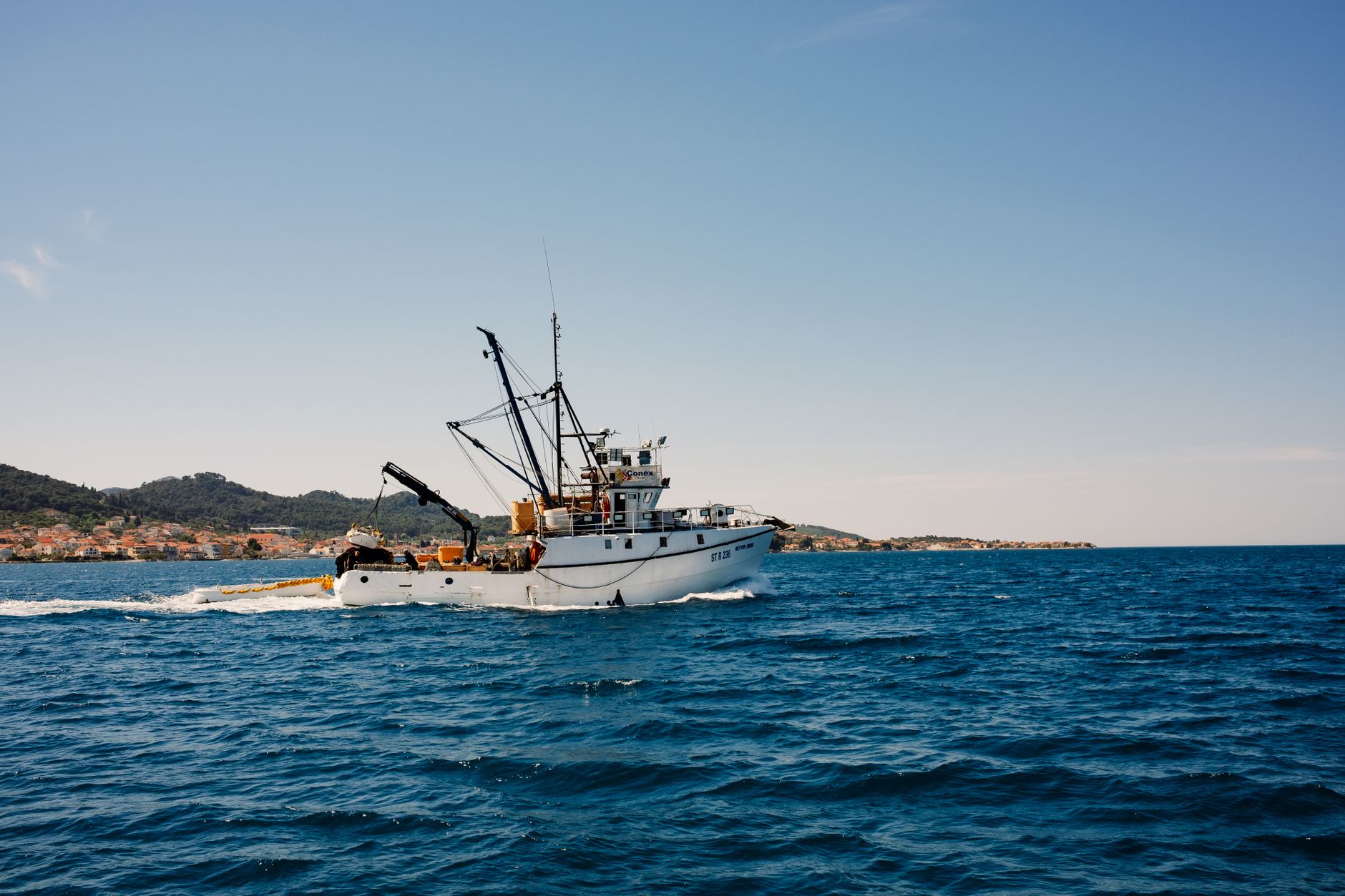
For assistant administrator Eugenio Pineiro Soler, the message from the docks was simple. "Fishermen just want to fish, and they are asking for our support in overcoming the barriers preventing them from doing so," he said, listing goals to "reduce burdens on domestic fishing, increase production, stabilize markets, improve access, and enhance economic profitability."
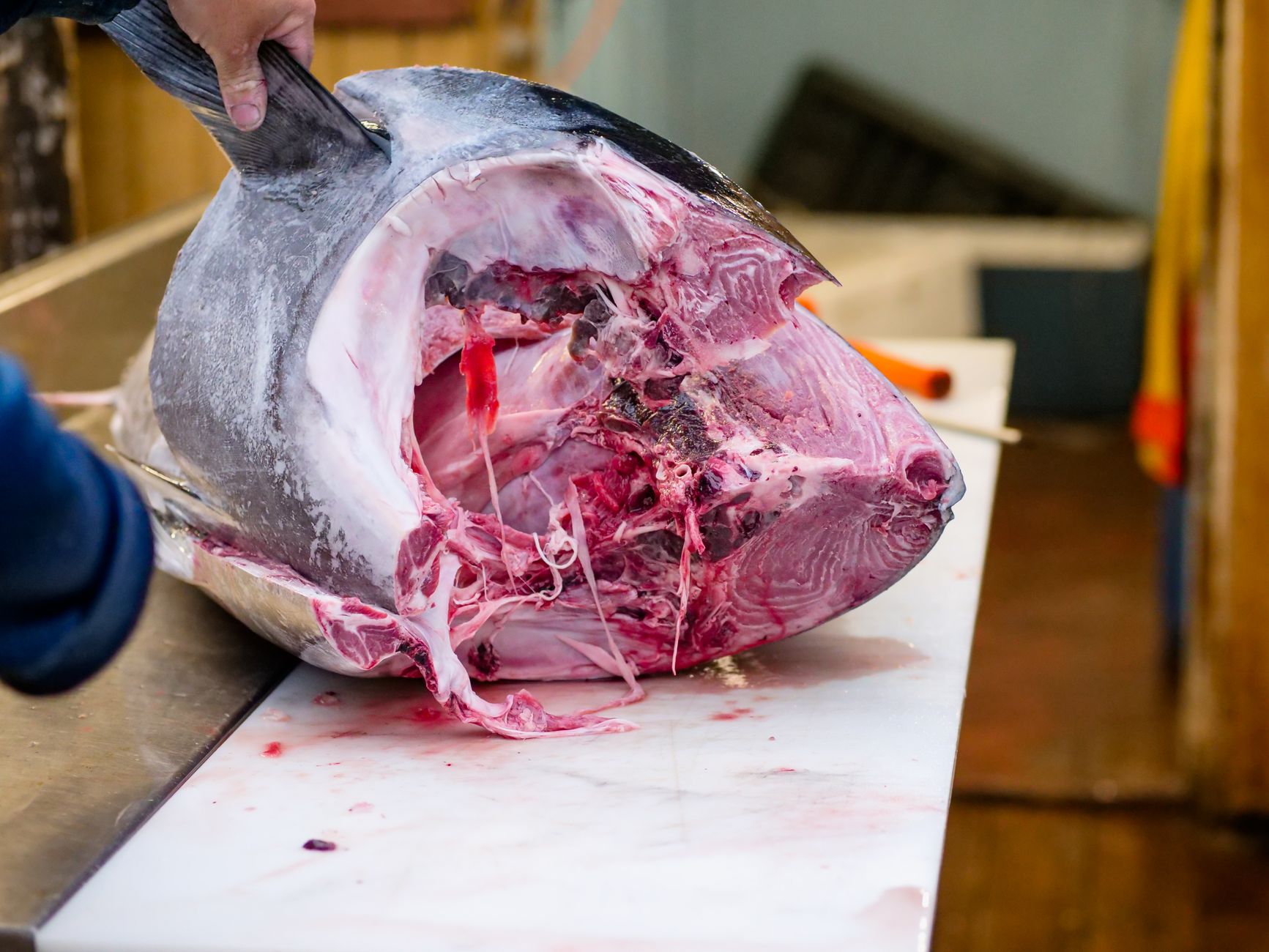
What that looks like depends on the region. New England could see the Northern Edge of Georges Bank — off-limits to scallopers for over three decades — reopened, alongside "permit stacking" that consolidates licenses onto fewer vessels. Further south, the South Atlantic council is urged to expand "access flexibility" and use state-run data, a move recreational anglers watching red snapper seasons will follow closely. Marlin, tuna and other highly migratory species are earmarked for larger international quotas.
Industry voices are pleased. "Permit stacking and Northern Edge access will make our fishery more competitive, more sustainable, and more valuable to the American families who depend on it," said John Lees, president of the Sustainable Scallop Fund.
Ocean advocates are not. Oceana vice president Beth Lowell said the orders reach far past paperwork: "These executive orders don't loosen red tape — they unravel the very safety net that protects our oceans, our economy, and our seafood dinners." Ocean Conservancy added that the plan "would weaken, not strengthen, our fishing industry by increasing the risk that overfishing drives our fish stocks into decline."

Their worry has a number behind it: the federal overfished list grew from 40 stocks in 2013 to 47 in 2023. With a June proclamation already reopening parts of the Pacific Remote Islands marine monument and NOAA weighing changes to Alaska's Steller sea lion protections, opponents expect that tally to keep climbing.
Anglers sit in the middle. The near-term promise is more days on the water and bigger limits. The long-term question — whether the stocks hold up — now rests with the councils weighing NOAA's requests through the back half of 2026.