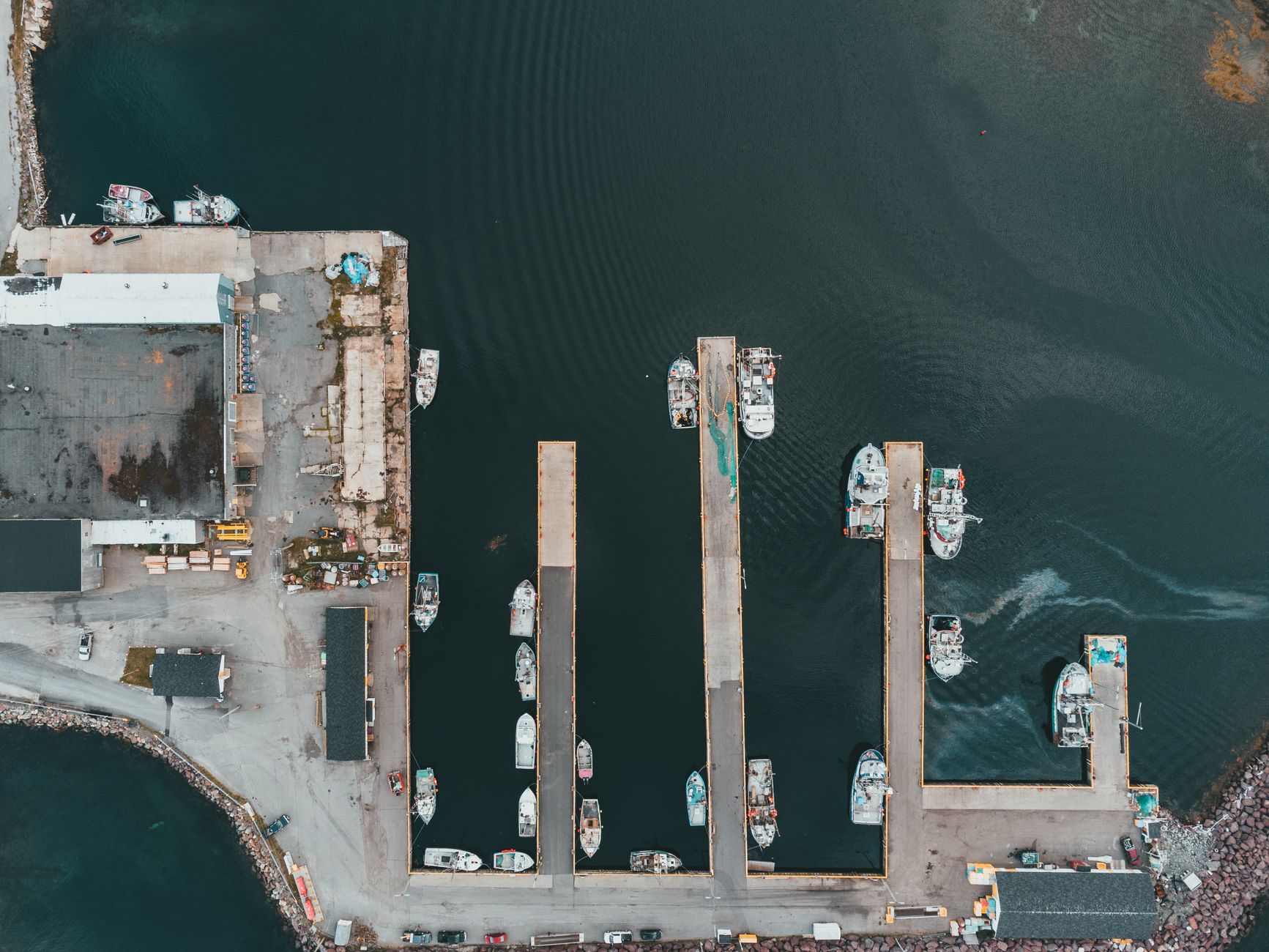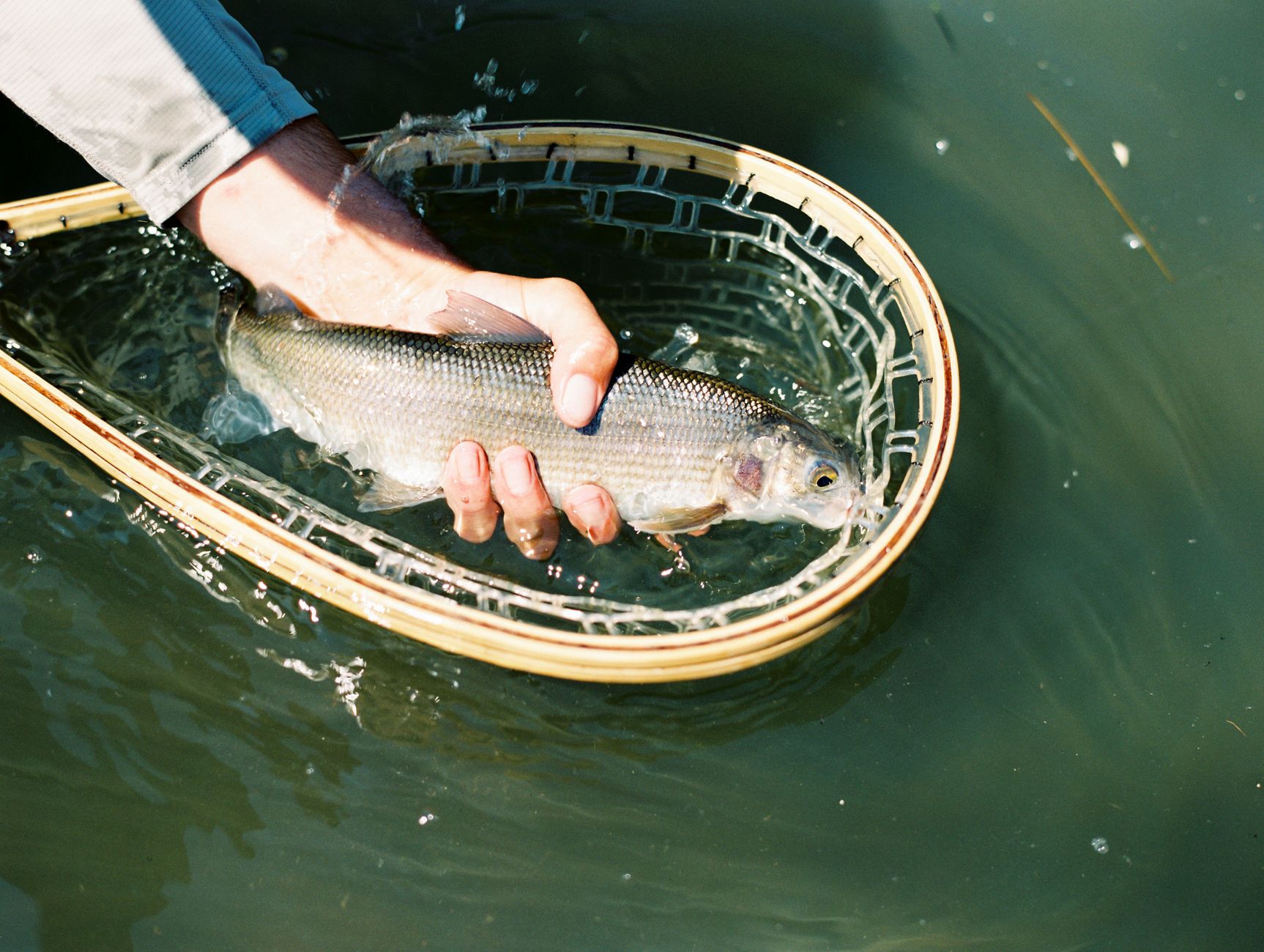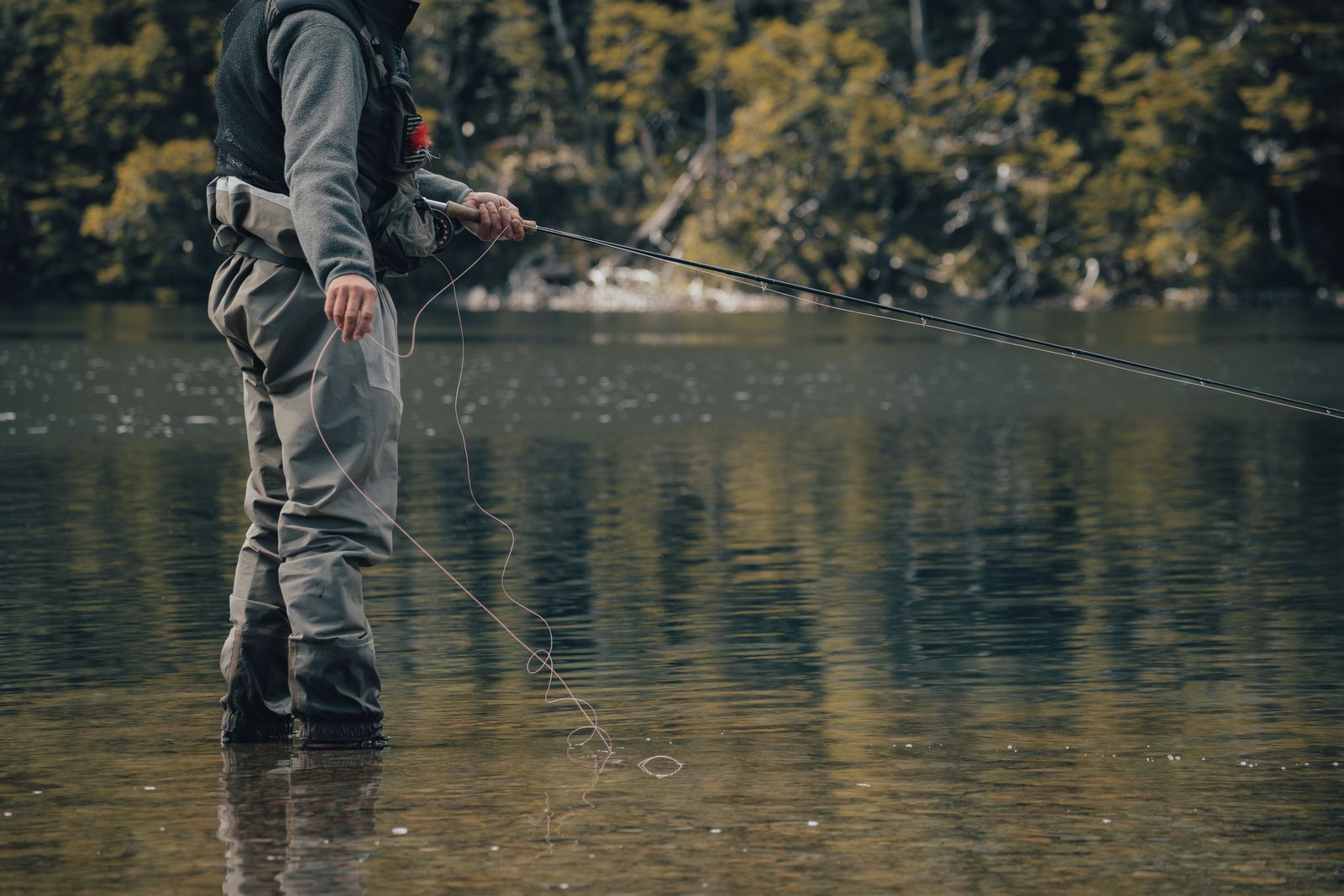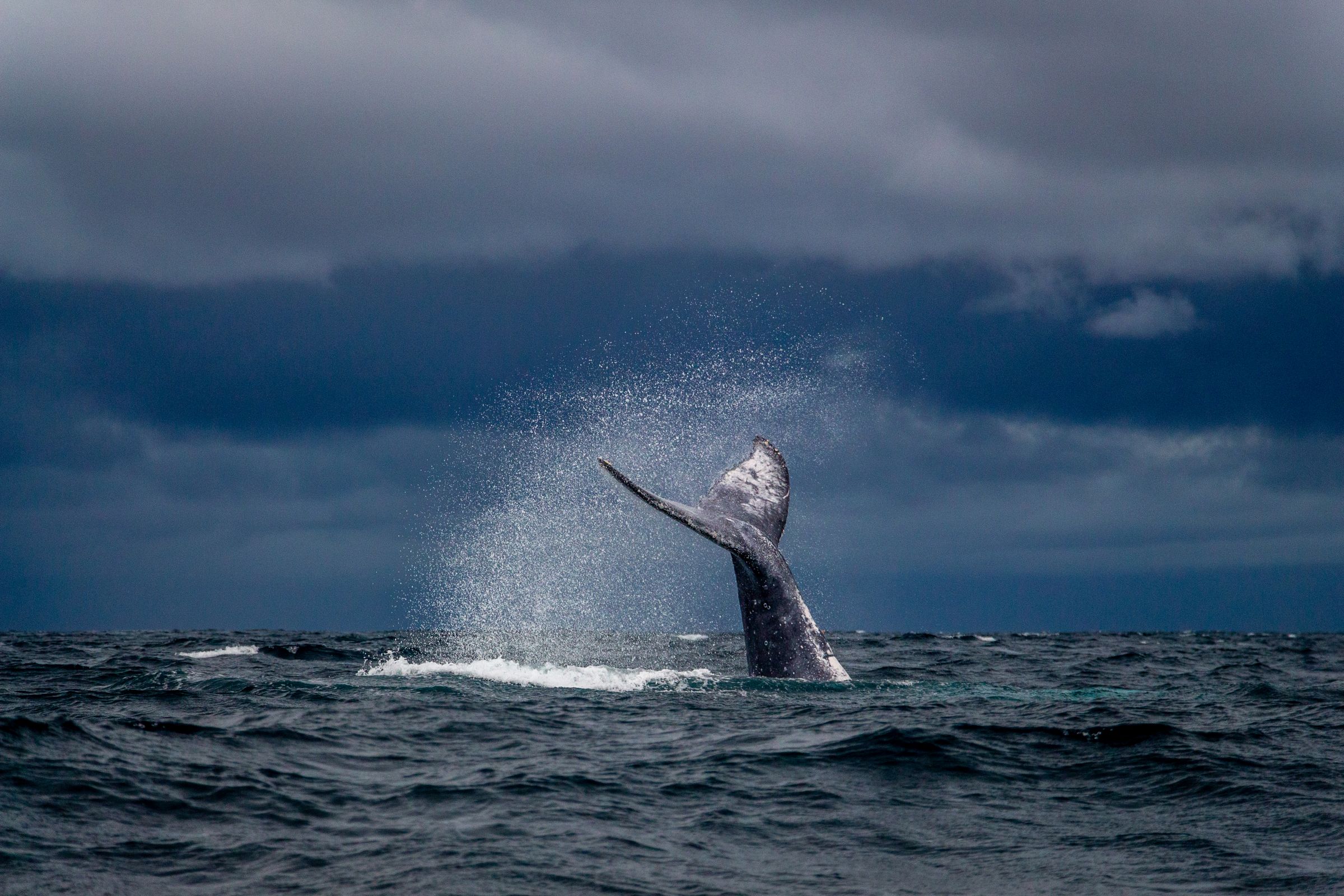
This week's rescue of a humpback whale off the New South Wales Central Coast is not an isolated drama. It caps one of the heaviest entanglement seasons Australia's east coast has recorded, and it puts the spotlight on how gear in the water — commercial and recreational — ends up wrapped around marine life.
The trend line is steep. Scientists logged 48 humpback entanglements in recent months, against roughly 45 in 2024 and about 20 in 2017. The same migration route that draws whale watchers each winter doubles as an obstacle course of rope and net.
"We documented 48 separate entanglements of humpback whales in the past few months on the east coast," said Olaf Meynecke, a research fellow in marine science at Griffith University. "Fishing gear such as nets and crab pots accounted for around 70 per cent of these reported entanglements." He added: "The highest numbers of entanglements were during the peak northern migration in June and peak southern migration in September."
Survival odds are poor. Entangled whales frequently tow gear for weeks, and "more whales will be entangled, and we will see more emaciated carcasses wash ashore," Meynecke warned, noting animals that "often lose more than half their body weight, develop infections and become covered in sea lice." Only about a third of entangled whales are seen again and fewer than a quarter are freed; roughly 18 have been released this season.
The issue reaches recreational anglers most directly through seals. Rescue group ORRCA reports a surge in fur seal entanglements on the state's Far South Coast, much of it tied to discarded or snagged tackle. "Unfortunately, ORRCA has seen an unprecedented spike in fur seal entanglement incidents across the Far South Coast region," said spokesperson Pip Jacobs, after a seal was cut free at Tathra Wharf. She linked part of it to habituation: "We're seeing seals in certain areas become habituated to relying on humans for food."
The fixes anglers can control are simple — bin your line and tackle properly, don't feed marine animals, move on if seals start raiding your bait, and switch to biodegradable tackle and non-lead sinkers where you can. What you should not do is intervene yourself; cut the wrong line and you can tighten another, so rescue crews ask that entanglements be reported to trained teams like ORRCA.
Beyond the boat ramp, researchers want coordinated action: a single cross-state reporting system, satellite trackers on trailing gear, better whale-movement forecasting and broader use of ropeless fishing technology. It will take funding and political will — but with the count rising every season, treating entanglement as an unavoidable cost of fishing is looking less defensible.