Minnesota has a new blueprint for its most obsessive fishery, and it marks a shift in thinking: stop chasing new water, and pour resources into the lakes that already grow giants.
The Department of Natural Resources' long-range muskie plan — its first since 2008, running through 2040 — was finalized after three years of work with private clubs, businesses, local and tribal governments and researchers. For the anglers who chase the species, the appeal needs no explanation.
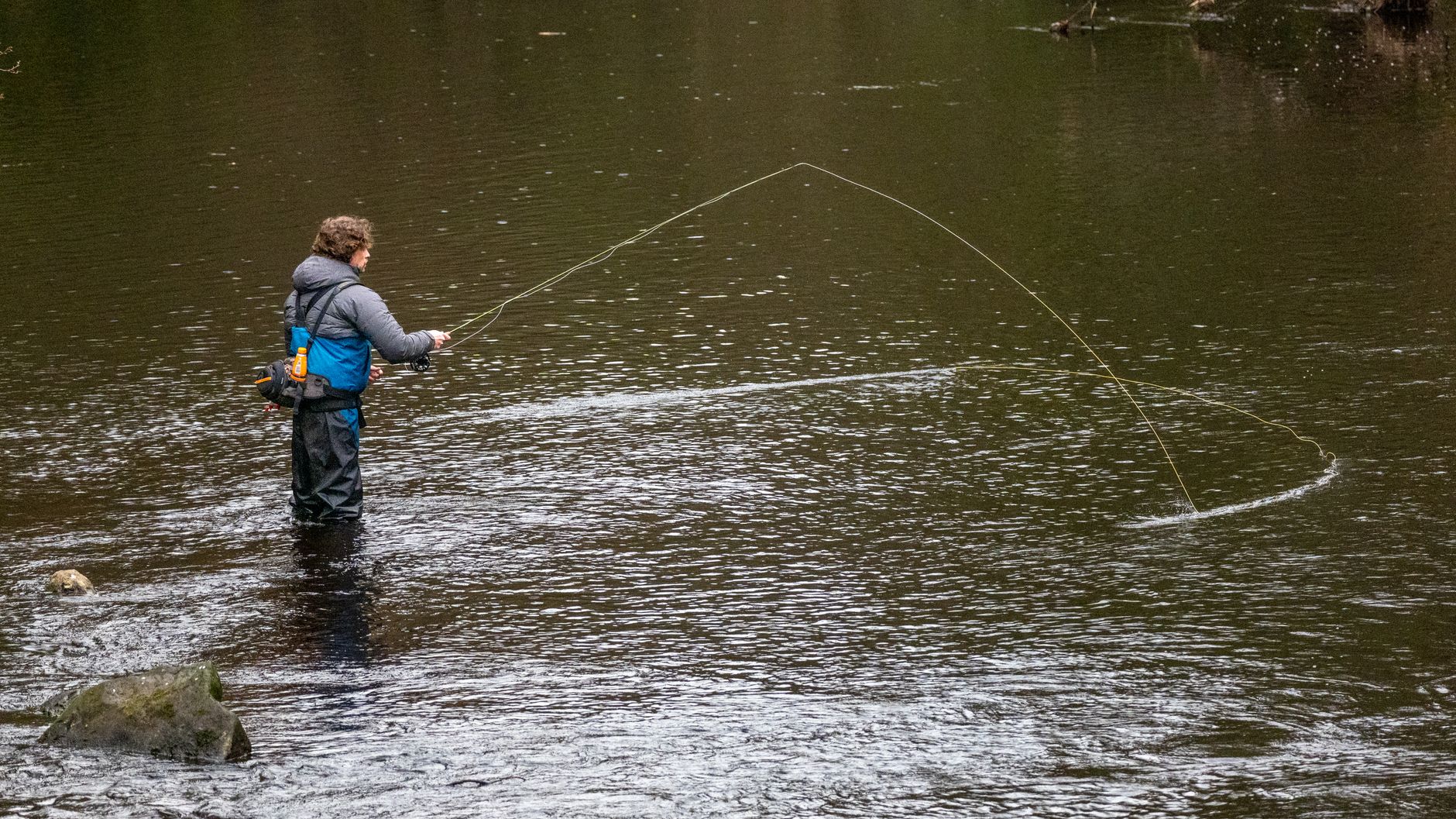
"It's the pursuit," said Jim Doyle, president of the Twin Cities chapter of Muskies Inc. "It's fishing for hours and hours and hours and not knowing when the next cast is going to produce something that is a near life-changing event."
The plan's headline change is a move toward efficiency. Where the previous strategy prioritized stocking new fisheries, the new one concentrates on improving the state's existing premier waters.
"We're not ruling out new waters, but we want to focus on the muskie waters we currently have and improving fishing in those lakes, rather than trying to expand into more lakes," said Brad Parsons, the DNR's fisheries section manager.
Three "core lakes" — Minnetonka, Vermilion and Mille Lacs — sit at the heart of the strategy. They are the largest stocked muskie waters in the state and among the most heavily fished, with the access points, resorts and services that draw anglers. Leech Lake was left out of the plan because it is managed by the Leech Lake Band of Ojibwe.
"They are getting the first priority in terms of stocking, in terms of management, in terms of study," Olsen said. "And that is primarily a function of pressure and usage, right? Those are the three most heavily fished lakes."
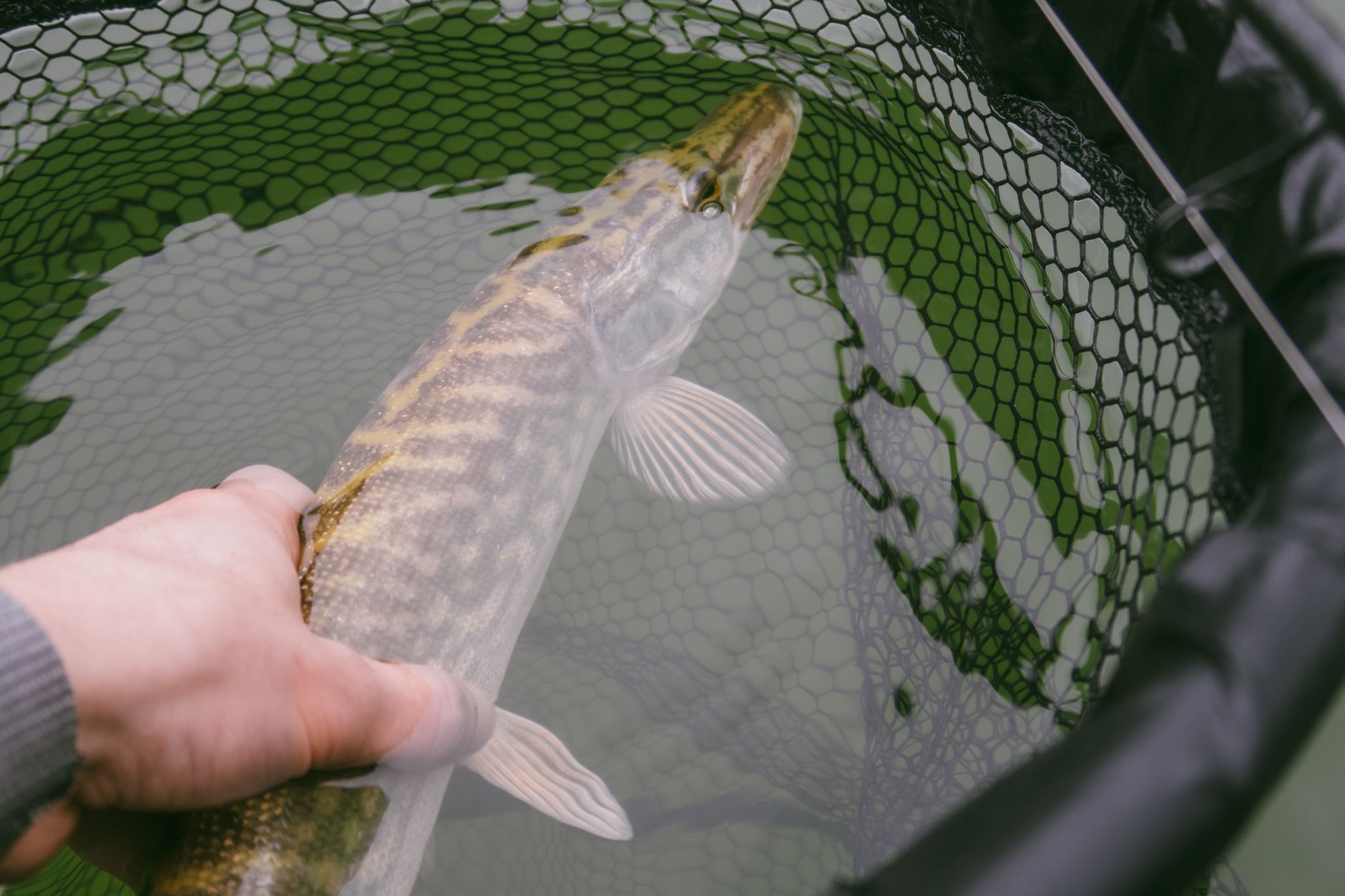
To stretch those resources, the DNR will shift from stocking mostly fingerlings to more yearlings, which have a better chance of surviving. The agency will also keep its Twin Cities tiger muskie program — a faster-growing cross between a muskie and a northern pike — running near the metro.
"It's really to provide that big fish trophy opportunity close to home here in the metro," Parsons said. "Tiger muskies tend to grow a little faster; they don't tend to live quite as long."
The plan also takes aim at a persistent myth: that muskie decimate populations of walleye and panfish. Part of the difficulty in defending the fish is simply studying it. Muskie are solitary, roam widely and are famously hard to catch — the "fish of 10,000 casts" — so most lakes lack refined population estimates. That is why the DNR is leaning on anglers themselves to log and report their encounters, turning the sport's hardest catch into a source of data.
"They're not only a tremendous fishing resource, but they're good for the lake ecology as well," Parsons said.