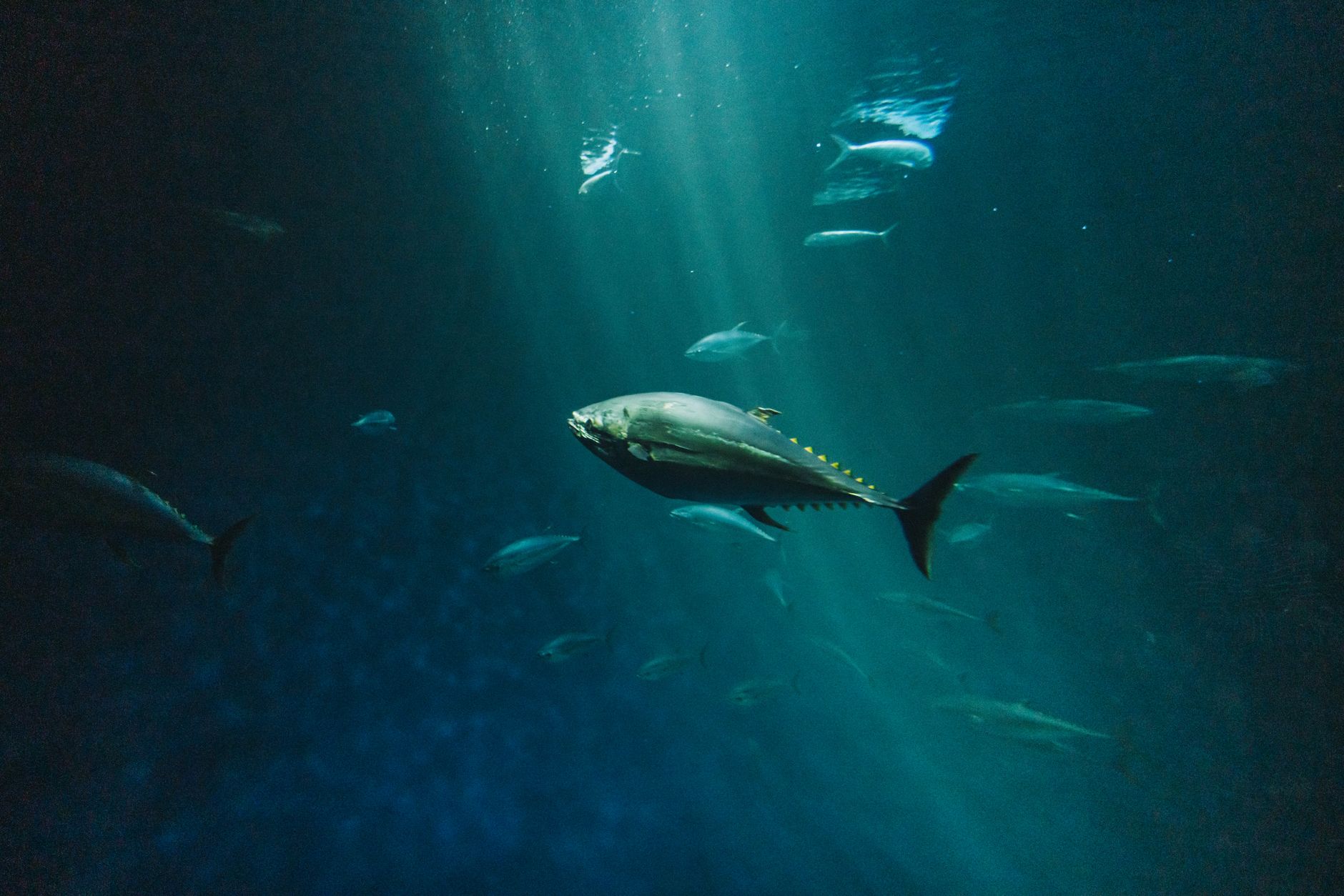
Plans to allow bigger catches of Pacific bluefin tuna have unravelled after Mexico rejected a Japanese bid to lift quotas on one of the sea's most prized fish. Delegates to the Western and Central Pacific Fisheries Commission's northern committee gathered in Nagasaki from 9 July and left without a deal, a rare open breakdown for a group that has spent ten years nursing the stock back to health.
Japan, the engine of the global sashimi trade, arrived with the numbers in its favour. After the spawning stock fell to roughly 12,000 tonnes in 2010, tough catch cuts helped rebuild it to about 144,000 tonnes by 2022. On the strength of that recovery Tokyo proposed lifting the regional quota for large bluefin, those above 30 kilograms, by roughly a quarter, cutting the small-fish share by 6 percent, and shifting to quotas that move automatically with the size of the stock.
Researchers agreed the recovery was real. "One reason for the increase in bluefin tuna is that resource management has been successful," said Masahiko Ariji, a professor who studies the fishery. The current combined quota sits at 11,869 tonnes of large bluefin and 5,125 tonnes of small fish, and Japan already takes the lion's share at 8,421 and 4,407 tonnes; its large-fish figure alone is up 50 percent on 2024.
Mexico's veto ended the discussion, because the rules demand unanimity. Japan's negotiators were plainly angry. "We were unable to reach an agreement because of the unreasonable actions of one country and we are feeling outraged," said Takumi Fukuda, a councillor at Japan's Fisheries Agency.
The timing stings for Japanese crews, who are already landing more bluefin than they are allowed to keep. With unusual numbers of early-season fish about, some skippers are throwing tuna back to save quota for the richer winter season.
"It's truly upsetting to have to release fish that are right there in the net," said Tadasuke Nakamura, a Hakodate fisherman. Toshiharu Uratani, based in Fukui, was blunter still: "As it stands, we have to let the fish go, which means our efforts are wasted."
The money involved is staggering. A single bluefin fetched 510.3 million yen, around $3.2 million, at January's opening Toyosu auction, which explains why every tonne of quota is contested so hard. Talks are set to resume; any agreement would have been ratified at the commission's annual meeting in late November for use from 2027.
The fish is rebounding elsewhere as well. In UK waters, where Atlantic bluefin form a distinct stock under separate management, the 2026 season opened on 13 July with record numbers taking part. Britain's Marine Management Organisation cleared 30 commercial vessels, twice as many as last year, and licensed 145 recreational boats for a catch-and-release sport fishery.
"The start of this year's bluefin tuna season is an important milestone in the development of this emerging fishery," said Andy Wills, the MMO's interim head of future fisheries. Hannah Rudd, head of marine at the Angling Trust, welcomed the growth: "The Angling Trust is delighted to see the bluefin tuna recreational catch and release fishery continue to grow."
Back in the Pacific, the biggest fishing nations are stuck where they began, with the sea fuller of bluefin than their quotas allow and no path yet to changing them.