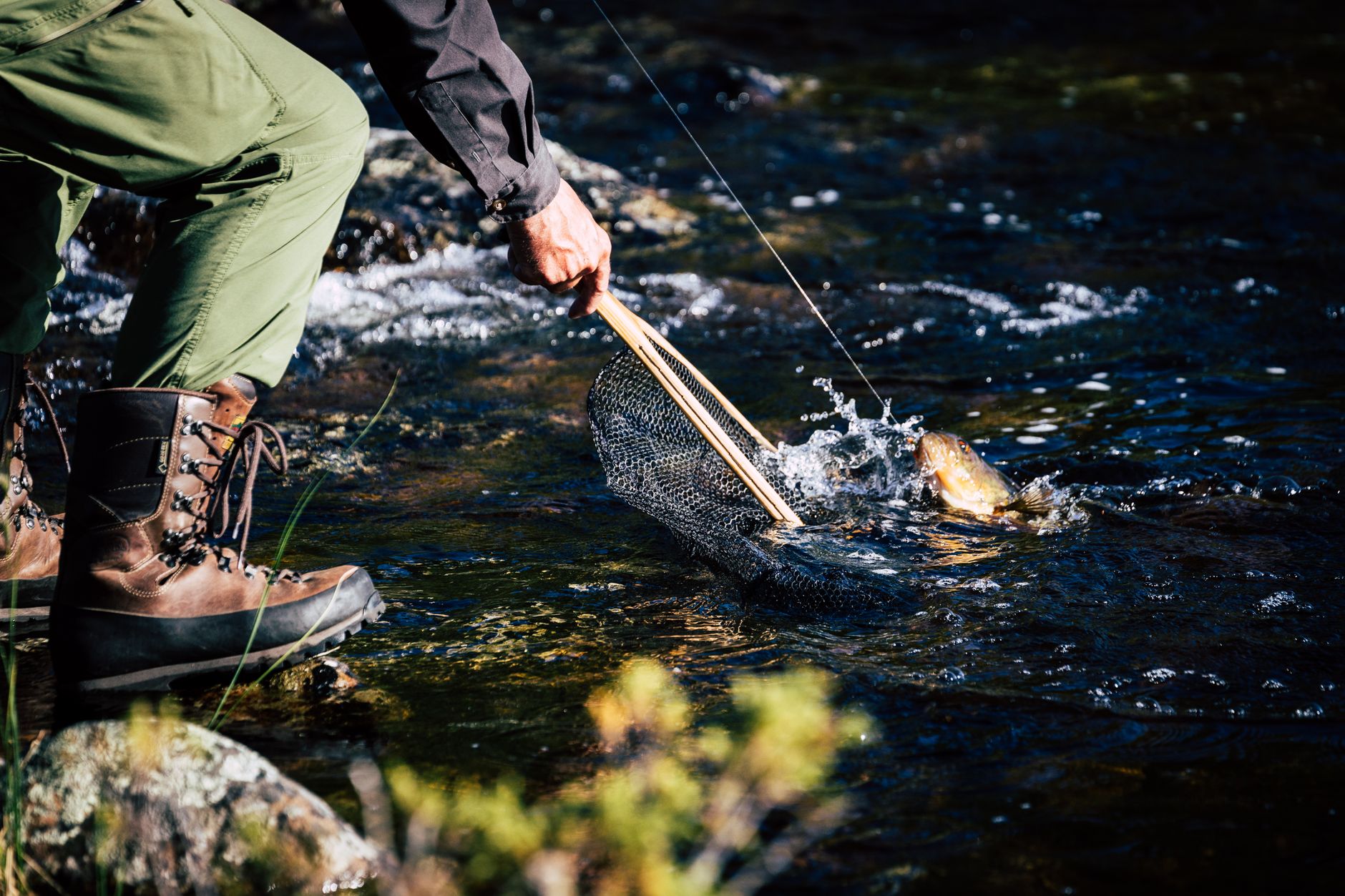
Maryland's recreational striped bass season went dark on Friday. From August 1 through August 31, anglers are barred from targeting the state fish anywhere in the Chesapeake Bay or its tidal tributaries — not just from keeping one, but from casting at one at all. Catch-and-release counts as targeting.
The Department of Natural Resources shifted the closure to cover the whole of August under regulations adopted this year, consolidating what used to be a scattered set of spring and midsummer shutdowns into a single continuous month. The logic is heat. Shallow Bay water in August pushes released fish past the point where careful handling saves them.
"During August, all targeting of striped bass is off-limits in the Chesapeake Bay and tidal tributaries," DNR said in its announcement, urging anglers toward other species instead.
The numbers behind the rule are not encouraging. Maryland's young-of-year survey, which counts juvenile striped bass surviving their first summer in the Chesapeake, came in at 4.0 in 2025 — better than 2024's 2.0, but well under the long-term average of 11.0. That is the seventh straight year of below-average spawning in Maryland waters, which produce 70% to 90% of the entire coastwide stock.
"Management actions taken over the last decade have resulted in a healthy population of spawning-age striped bass," said Lynn Fegley, director of DNR's Fishing and Boating Services, when the 2025 survey results were published last autumn. "However, continued low numbers of striped bass entering the population is a threat to this progress as there are fewer juveniles growing into spawning adults."
The closure aims squarely at one slice of the mortality ledger. In the most recent coastwide stock assessment, published in 2022, recreational dead discards — fish that die after being caught and released — accounted for 21% of all fishing-related striped bass deaths in the Bay. Recreational harvest made up 44%, commercial harvest 31%, and commercial dead discards the remaining 4%.
"Striped bass desperately need our help, and Maryland's new regulations are a strong step to rebuilding rockfish numbers," said Allison Colden, CBF's Maryland executive director. "By closing August fishing and simplifying its seasons, Maryland is giving striped bass a fighting chance."
Colden has been blunter elsewhere about what she thinks is at stake. "Additional regulations will have real impacts, but they pale in comparison to the threat of continued striped bass decline," she said as the Atlantic States Marine Fisheries Commission weighed a further 12% catch cut, warning that recent surveys point to a stock "facing a looming disaster."
The charter fleet does not see it that way, and it has receipts. Brian Hardman, president of the Maryland Charter Boat Association, told the Bay Journal his members' business fell 75% to 80% after the previous round of cuts landed in 2024. In a federal lawsuit filed last year against the ASMFC, the association reported that more than 50 companies had already gone under and were selling vessels at "fire sale prices."
Capt. Robert Newberry, chairman of the Delmarva Fisheries Association, has attacked the science itself. "Striped bass stock across the entire Mid-Atlantic region has never been more plentiful," he said. Of the interstate commission setting the rules, he added: "They apparently think that fish are more important than working people."
There is disagreement inside the management tent too. Mike Luisi, DNR's fisheries assessment manager, has argued that no-targeting closures drive anglers off the water entirely and hurt tackle shops and guides — part of the reasoning behind Maryland reopening April catch-and-release fishing for the first time since 2019. Some ASMFC members have called no-targeting rules effectively unenforceable, since an angler chasing bluefish can hook a rockfish by accident.
What almost nobody disputes is that the trouble runs deeper than fishing pressure. DNR has pointed to warmer, drier winters and reduced spring flow as the drivers of the spawning slump. Doug Grout, New Hampshire's representative on the commission, has warned that even if tighter limits get the population to its 2029 target, the recovery will not hold unless Bay reproduction improves.
For the next month, DNR is steering anglers toward invasive blue catfish and Chesapeake Channa — the rebranded northern snakehead — both of which carry no bag or size limits and both of which the state would rather see removed from the Bay. Southern Maryland charter captains and tackle shops have spent recent Augusts marketing exactly those trips.
The rockfish season reopens September 1 and runs to December 5, with a limit of one fish per angler per day between 19 and 24 inches. Outside the closure, circle hooks remain mandatory, and DNR is asking anglers to sit out days when air temperatures top 95 degrees, whatever the calendar says.