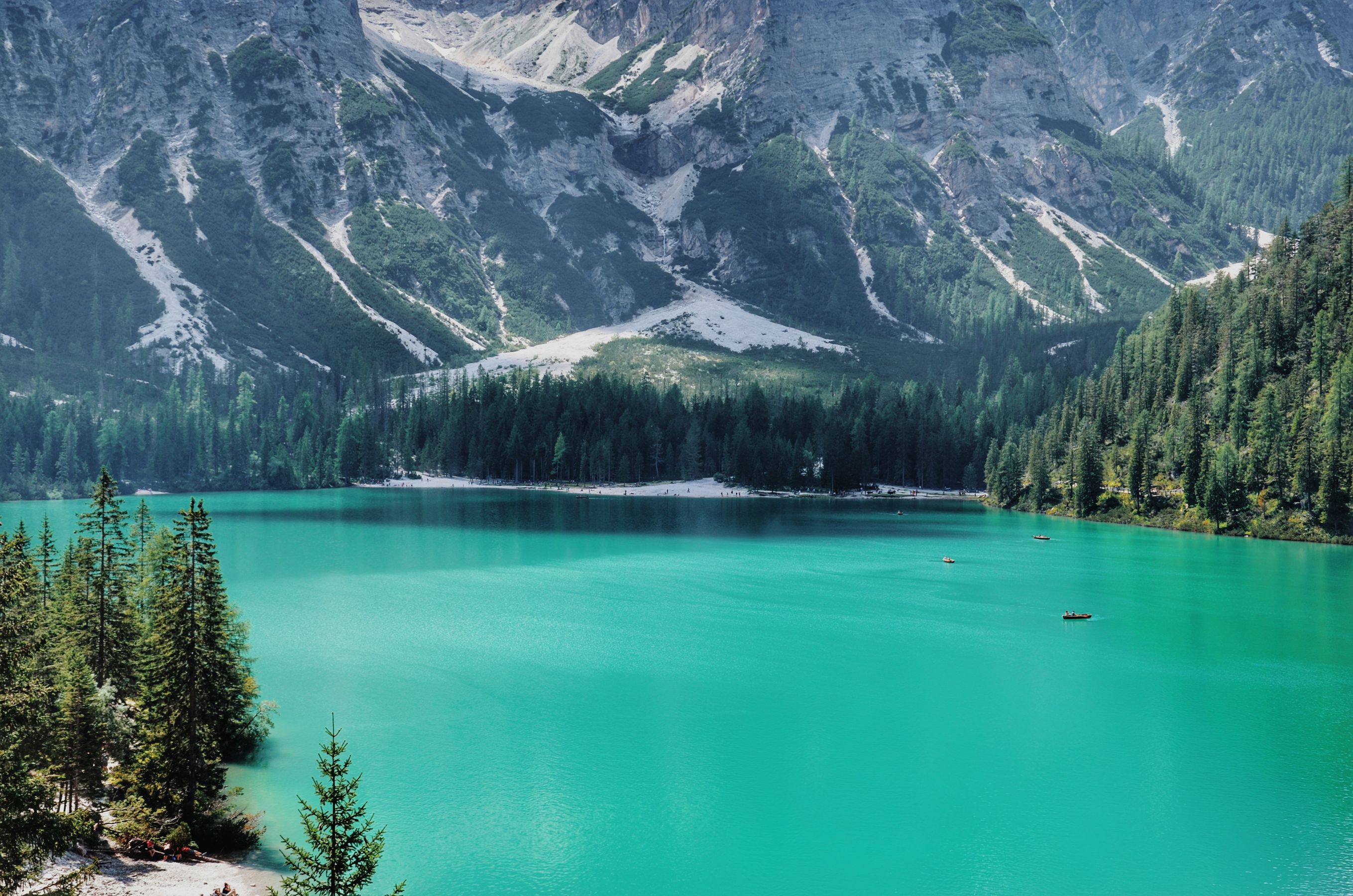
Every summer, Utah pulls off one of the strangest scenes in American conservation: thousands of tiny fish tumbling from a low-flying plane into remote mountain lakes. The Utah Division of Wildlife Resources has done it since 1956, restocking more than 300 high-country lakes a year, some annually and some on a three- or five-year rotation, with as many as 10,000 fish dropped in a single flight.
The mechanics are oddly gentle. The fish are just one to three inches long, taken off feed beforehand, and released from 50 to 150 feet as the plane flies at 70 to 80 mph. Because of the small size, the agency says, the air slows their drop and survival rates stay high. The lakes cannot be reached by road, and the DWR argues that any other delivery method would be more stressful on the fish.
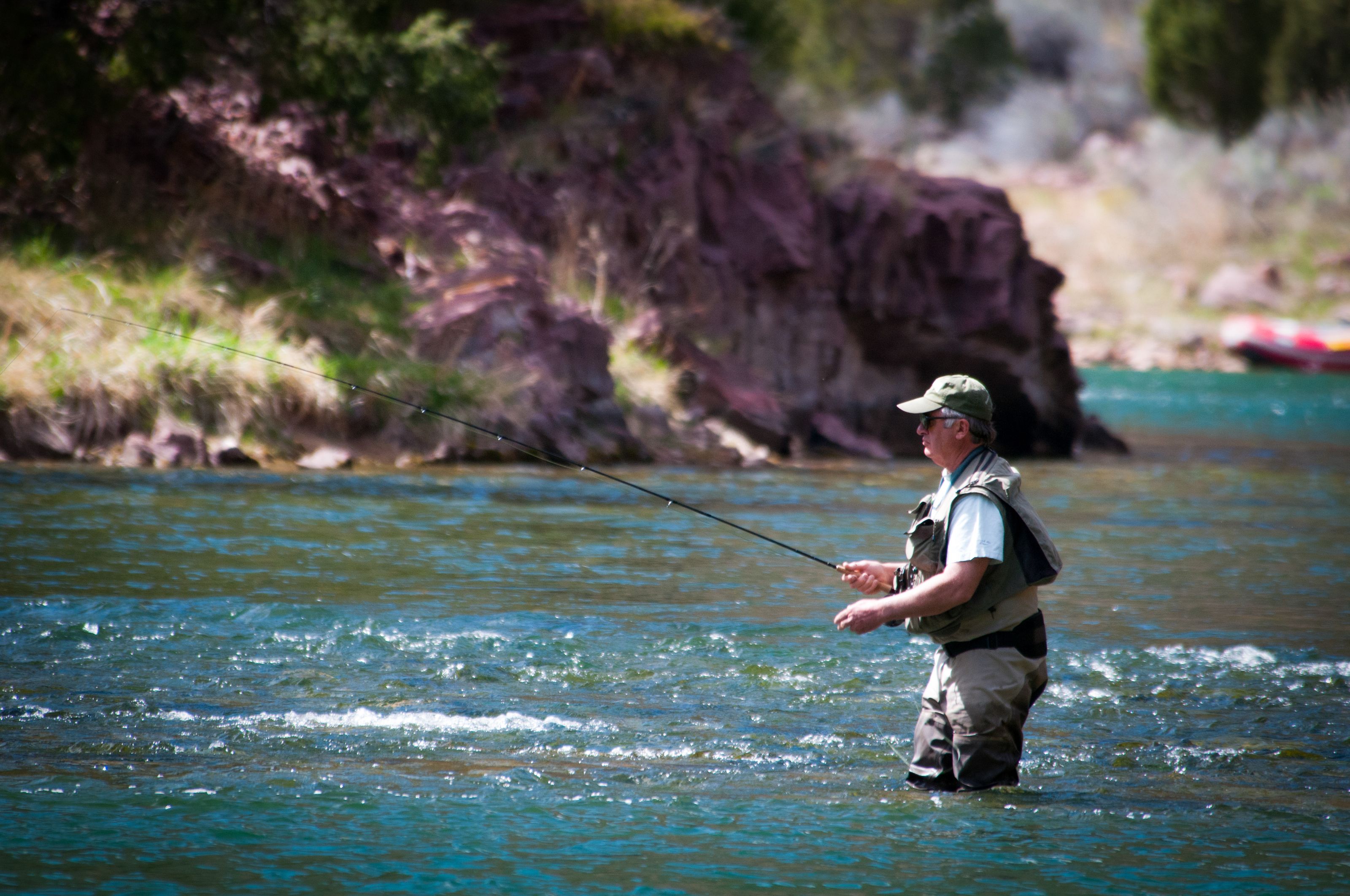
It is a beloved spectacle, and for anglers it is the whole point: a stocked alpine lake is often the only reason there is anything to catch. But a growing body of science is asking an uncomfortable question about the century-long habit of putting fish where fish never were.
That question landed again this month in Olympic National Park, where field crews hiked 500 miles and 200,000 vertical feet to sample environmental DNA, the genetic traces an organism sheds into the water, from mountain lakes. Their survey, published this winter, found introduced trout in roughly half of the 117 lakes tested. Twenty-one of those lakes had no record of ever being planted, a sign that anglers had quietly stocked them on their own.
Since 1930, more than 1.6 million fish have been hiked or flown into Olympic's historically fishless lakes; some were stocked as many as 18 times. "There has been a growing recognition, particularly in wilderness areas and national parks, that the introduction of nonnative species is not consistent with park policy," said Dr. Steve Fradkin, the park's coastal ecologist and limnologist. "In a place like Olympic, which is 95% congressionally designated wilderness, that sort of thing is in conflict with what in a modern day we tend to think we're all about."
The ecological worry is straightforward: lakes that evolved without fish suddenly have a top predator in them. "In lakes, we know that the consequences are quite dramatic," said Angela Strecker, a freshwater ecologist at Western Washington University, who told Vox that introduced trout gobble up native tadpoles, salamanders and insects, losses that ripple out to the birds and animals that feed on them.
But the Olympic study also complicated the simplest version of that story. Long-toed salamanders and rough-skinned newts were less likely to be found in lakes with fish, yet amphibians as a group turned up alongside trout in 45 lakes, more than three times the number of fish-only lakes. "Our expectation ... was that wherever you have fish, the amphibians are in jeopardy," said Jeff Duda, a USGS research ecologist who worked on the study. "What we discovered is that there's some nuance to that." Many amphibians, he noted, have an escape route fish do not: legs, which let them retreat to shallow ponds and wetlands where trout cannot follow.
The catch is that those shallow refuges are drying up. Olympic's snowpack this year sat at just 26% of normal, and the ephemeral pools amphibians rely on are the first to vanish in a warming climate, which could force them back into the very lakes where stocked trout wait.
Modern agencies say they have adapted. Utah stocks mostly sterile trout that cannot reproduce, favors native cutthroat where the species already lives, and says other species are not stocked into waters where they could impact native fish. Whether decades of careful rules can undo a century of fish falling from the sky is the question the eDNA is only beginning to answer.