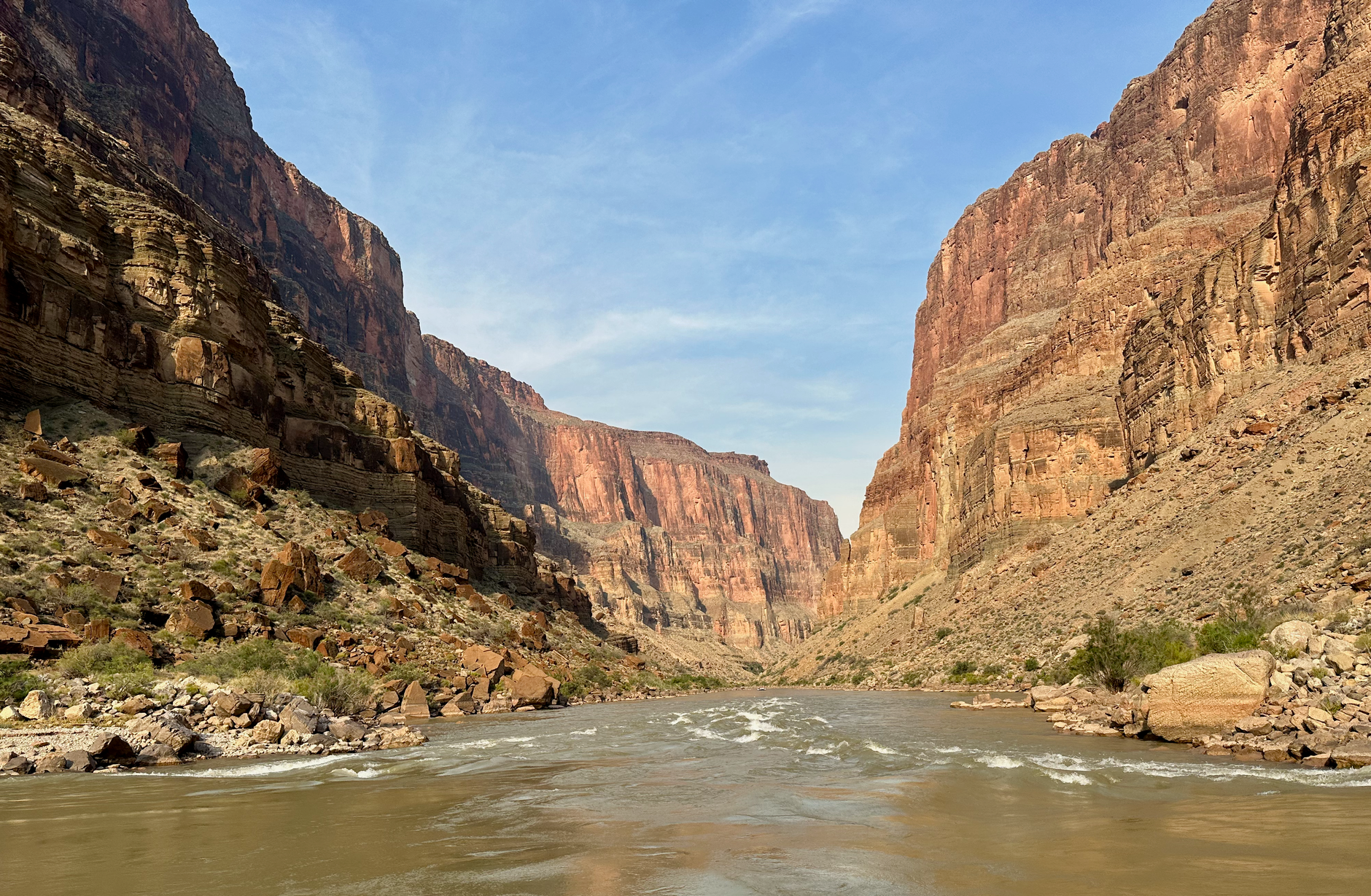
For the first time since the programme began, Reclamation will not send cool water down the Colorado River from Lake Powell this summer to suppress invasive smallmouth bass in the Grand Canyon. Hydropower won the argument, and two fisheries are now exposed at once.
Cool mix, introduced in 2024, routes water around Glen Canyon Dam's turbines and pulls it from colder depths in the reservoir, holding the river below roughly 15.5 degrees Celsius - about 60 Fahrenheit - the threshold at which smallmouth bass start spawning. It suppressed bass reproduction in 2024 and 2025. It also cost the Western Area Power Administration more than $20 million in replacement power, and this year's version was projected at up to $40 million.
Wayne Pullan, Reclamation's Upper Colorado Basin regional director, told the Glen Canyon Adaptive Management Work Group on August 6 that it was off.
"I am writing to inform you that Cool Mix flows will not be implemented this year to control nonnative fish," Pullan wrote. The reasoning, he said, was "significant hydropower generation concerns under already strained system conditions," with alternative approaches chosen instead.
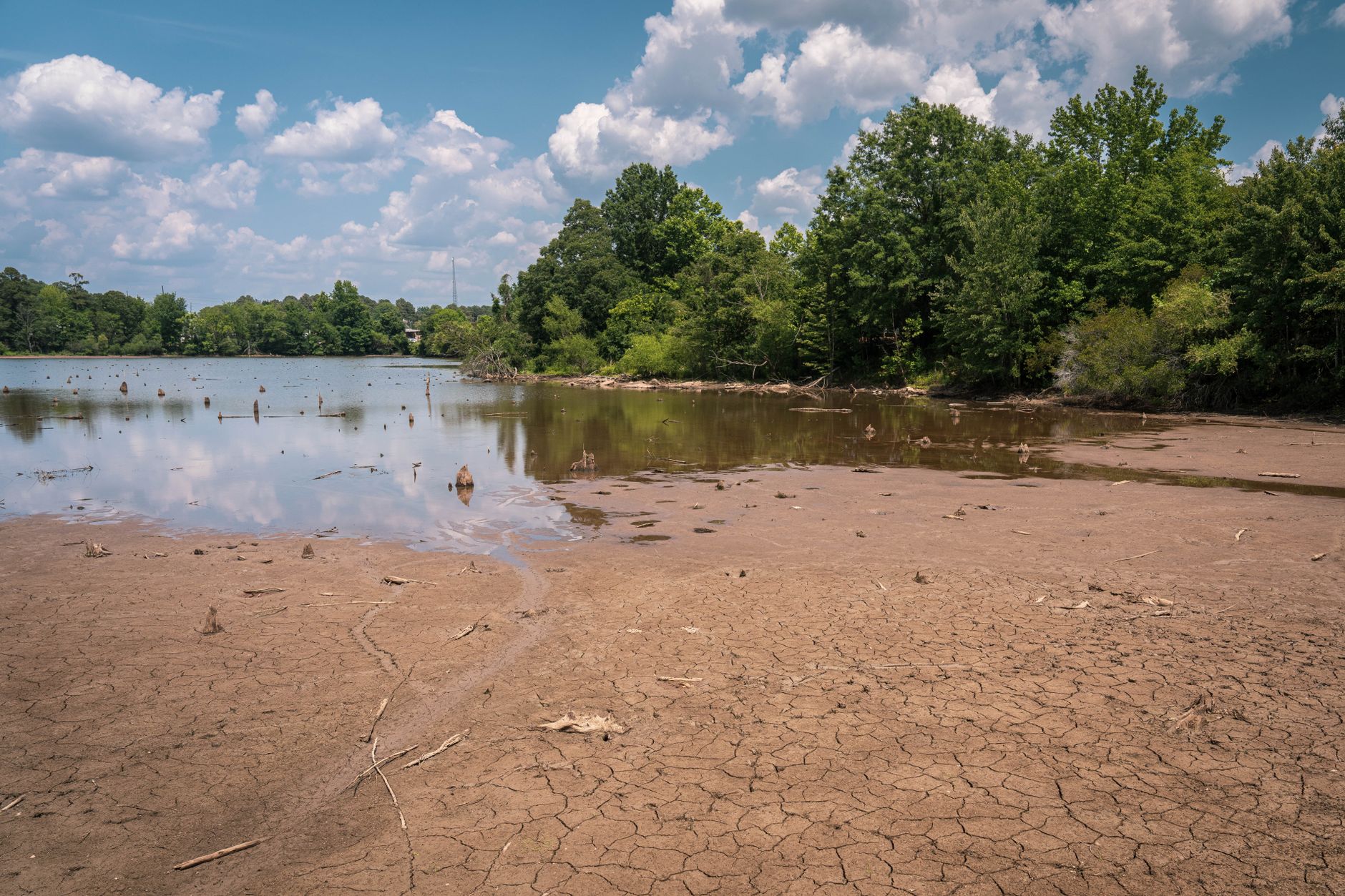
Those strained conditions are severe. Lake Powell sits below a quarter full after the basin's worst recorded snowpack, close enough to the cutoff for power generation that water is being drawn from Flaming Gorge upstream to hold it up.
The bass arrived through the same shortage. Stocked in Powell in the 1980s for sport fishing, smallmouth hold near the warm surface - and as the reservoir has fallen, that surface layer has dropped to the level of the power intakes. Warm water and bass now pass through the turbines together, and the fish began spawning above Lees Ferry in 2022. Below them are humpback chub, downgraded from endangered to threatened in 2021 after recovering in the canyon, whose young are prey.
The river below the dam is running near 69 degrees Fahrenheit and has exceeded the trigger threshold for over a month. Scientists advising Reclamation warn that without cool mix in a year this dry, temperatures could reach the upper 70s - close to optimal for bass breeding.
Matt Rice, Southwest director for American Rivers, said the tool had already proved itself. "We've proven that the cool mix flows are the most effective way to mitigate the smallmouth bass invasion in the Grand Canyon," he said. "Hopefully it's not a death sentence to humpback chub."
Rice, a member of the adaptive management group, plans to argue for its return in 2027 under the Grand Canyon Protection Act of 1992. "We can't ignore these values that are important to everybody," he said. "Hopefully we can hold the line and we can get a little more water and continue to make the case that innovative approaches like cool mix flows are important as we manage a river for 40 million people."
For anglers the sharper worry is the trout. Jim Strogen, who represents Trout Unlimited and recreational interests on Reclamation's work group, says the Lees Ferry rainbow fishery is in as much trouble as the native chub. Rainbows are non-native there too, but sporting groups note they feed largely on insects rather than fish.
"It's very disappointing obviously," Strogen said, "and I just know that it's going to crush the fishery." Trout reproduction was already faltering as summer temperatures reached the 60s before cool mix existed; the mid to upper 70s would be lethal.
Power buyers read the same facts and reached the opposite conclusion. Andy Colosimo, executive director of the Colorado River Energy Distributors Association - representing about 155 customers of federal hydropower from the river - backed the decision.
"We're very pleased with the decision and appreciate Reclamation's deliberate and thoughtful approach to this, just recognizing the challenges that we're facing on the river," Colosimo said. "I think this was the right call, given the conditions that we're all facing." Utilities had argued the releases would force millions in purchases of costlier and less renewable replacement power, passed on to ratepayers.
The dispute was already running in July, when the river was warm enough to trigger releases and Reclamation had said nothing. Jen Pelz, water advocacy director at the Grand Canyon Trust, pushed back on how the trade-off was being measured.
"We just need to think about what it is we're willing to lose and the values that we cherish," Pelz said. "Grand Canyon is one of the most iconic landscapes in this country, in the world. In fact, it's a UNESCO World Heritage Site, and trying to maintain its fishery is integral to maintaining that ecological and cultural integrity of this place."
She also warned about waiting. "We're at the very start of what's known as an invasion," Pelz said. "If you can stop that establishment from happening at the start of the invasion, it's much easier and less expensive than if you wait until those non-native fish have really gotten into every part and tributary of the Colorado River."
Reclamation says other tools stay in play - what Pullan described as "expanded rapid response removal actions, additional backwater modifications, evaluation of innovative tools, and advancement of durable structural solutions." In practice: netting and removing fish, reworking backwater habitat, and building barriers.