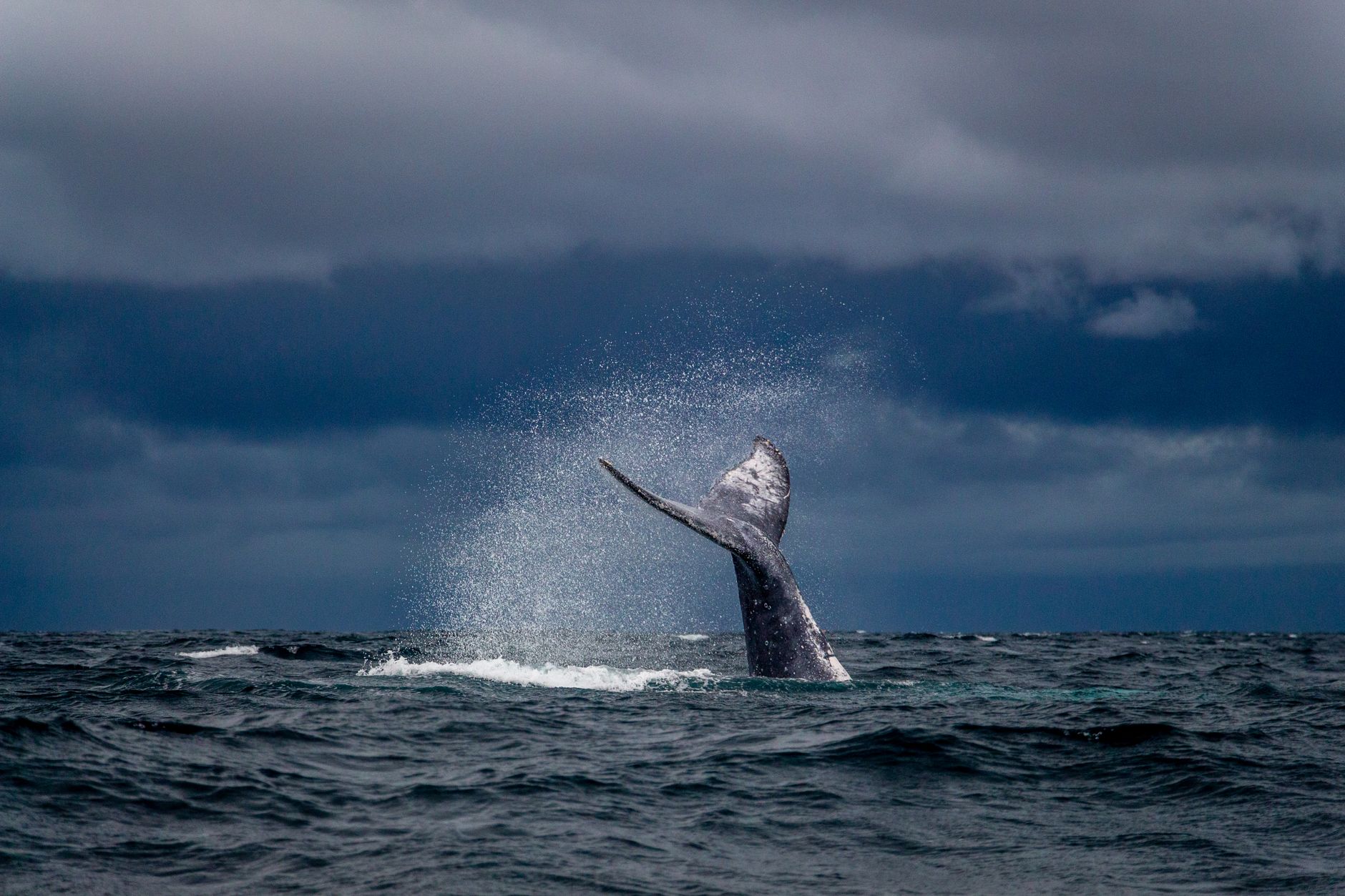
The gear that held a young humpback whale to the seafloor off Newport, Oregon, was too heavy for the whale, and for the first team that tried to shift it. It took a commercial fishing boat.
Oregon State University research assistant Craig Hayslip picked out the animal on July 23 from a US Coast Guard helicopter, flying a survey for whales and drifting gear. He reported it to NOAA's West Coast Entanglement Hotline. Responders got out to it the following morning and found it tethered by roughly 400 feet of line to the bottom, 20 miles offshore.
Underwater video told them how bad it was. A line ran through the whale's mouth, holding it open.
"The whale's jaw was wide open beyond anything you would expect to see," said Jim Rice, manager of the Oregon Marine Mammal Stranding Network at Oregon State University. "We could tell by the angle it was not natural."
The first attempt achieved nothing. A team from OSU's Marine Mammal Institute and the Oregon Coast Aquarium, working alongside Cascadia Research Collective specialists Doug Sandilands and Jenn Tackaberry, clipped buoys onto a trailing rope to slow the animal, then stripped them off when the gear would not budge.
"We realised if a whale couldn't move it, then we humans weren't going to move it, either," Hayslip said.
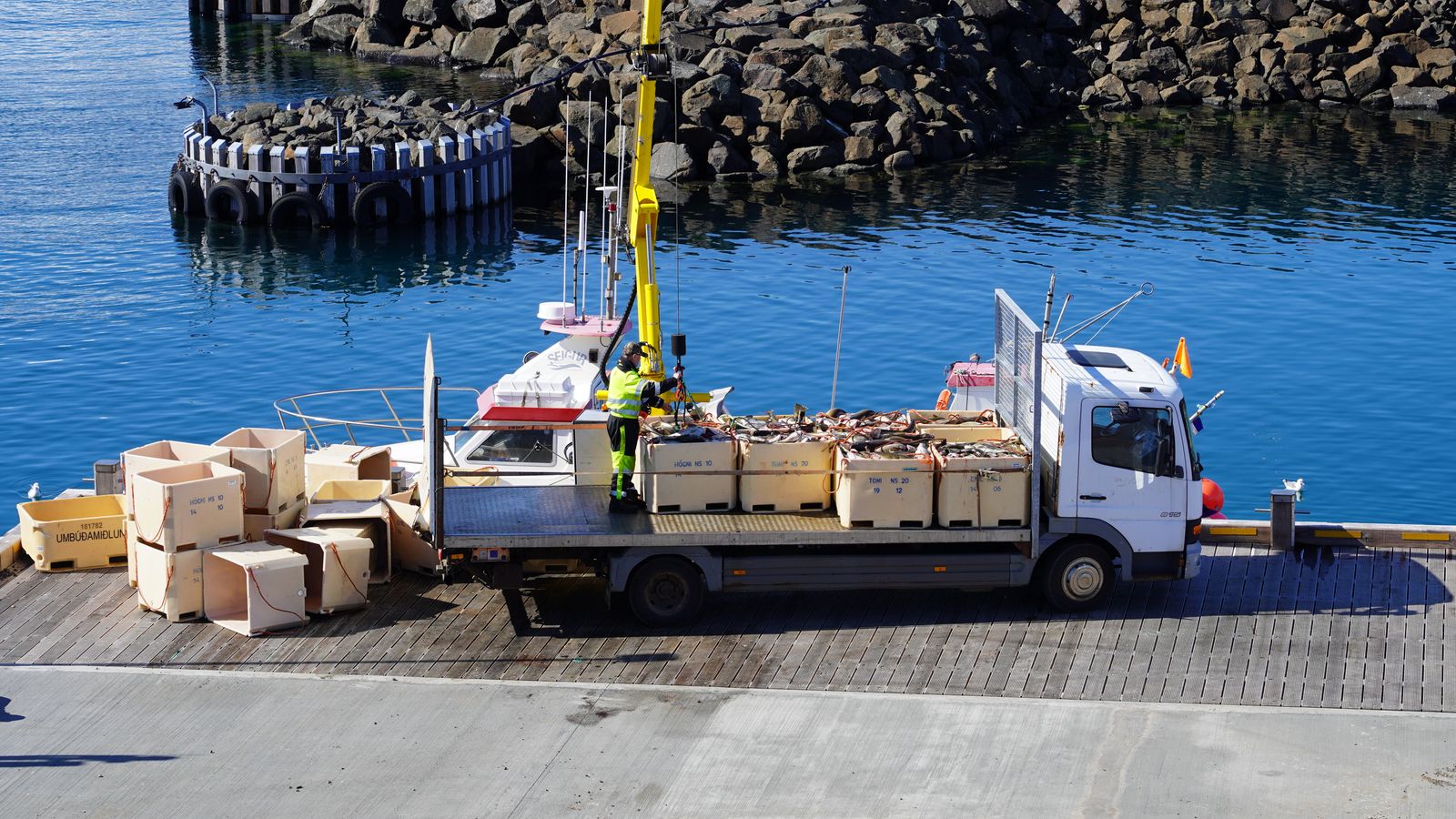
The haul that came aboard spanned two fisheries and two states: over 3,000 feet of line, five sablefish pots and several commercial Dungeness crab traps from Oregon and Washington. NOAA Fisheries said the condition of the gear points to it being lost or derelict, and it is chasing the owners for detail. Responders swabbed the gear for DNA to identify which humpback population the whale came from; a photo catalogue matched the animal to a sighting in British Columbia in 2024.
Lapham used the moment to put a question to his own trade. He told NOAA Fisheries the entanglement ought to be a wake-up call to ask, "How can we better incentivize gear retrieval and tracking of lost gear to reduce this risk?" Dungeness crab gear carries identifying tags, he pointed out. Sablefish pots do not, which makes working backwards from an entanglement considerably harder.
NOAA's coordinator on the response, Lauren Saez, framed the outcome around what can be salvaged from it.
"This is truly a heartbreaker because of the whale's injuries, but we will learn so much from this case that can help us prevent future entanglements," Saez said. "We disentangled the whale safely, got all the gear back, and had great collaboration with the fishing industry."
The speed of the response was bought in advance. Jim Burke, director of animal care at the Oregon Coast Aquarium, said the local team had trained with the Cascadia specialists shortly beforehand and kept boats and equipment ready. An Oregon Wildlife Foundation grant covered safety and documentation kit.
Entanglements off the West Coast have climbed over the past decade, with humpbacks the species most often affected - more than 30 confirmed last year. NOAA public affairs officer Michael Milstein said this was one of three documented off Oregon in 2026. A separate humpback came ashore dead on July 7, tangled in sablefish gear.
The politics around it are live. Oregon crabbers pushed back hard on proposed entanglement rules earlier this year. Gear that nobody is fishing any more sits outside that argument, which may be why Lapham chose it as the place to start.
Anyone spotting an entangled whale should keep clear and call the West Coast Entanglement Hotline on 1-877-767-9425. Only trained, federally authorised responders should approach.