Fishermen on Lake Memphremagog saw it before the laboratories did. From 2012, anglers on the 32-mile lake shared by Vermont and Quebec began pulling up brown bullhead catfish streaked with raised black growths. Within two years roughly a third of the lake's bullhead carried them.
"It looks like black tar on the skin - not very pretty," said Peter Emerson, a Vermont Fish & Wildlife Department biologist who has run the lake's fish census since 2009. "You can tell it doesn't help the fish cause they're inside the mouth, they're on the fins." The marks turned up on lips, gills and eyes. "They arrived very suddenly," he told NPR.
A study published on July 22 in Nature has finally identified them. The growths are melanoma, and the cancer moves from fish to fish - the first transmissible cancer ever recorded in a fish or in any freshwater ecosystem.

Pollution was the first suspect, not least because the Coventry Landfill sits near the lake and bullhead are widely used as a gauge of water quality. "But it turns out, as we did the studies, they don't have much of that at all," Emerson said.
Whole-genome sequencing, led by University of Vermont scientist Julie Dragon, upended the assumption. "These tumors were very different from the host fish that they came from," she said, "which is not what we expected or what anyone would expect." The tumours instead matched one another - a single parasitic cell line, spreading. "It is the infectious agent itself," Dragon said. "Those cells can somehow escape the host, maybe live in the environment - the aquatic environment - and then infect a new host."
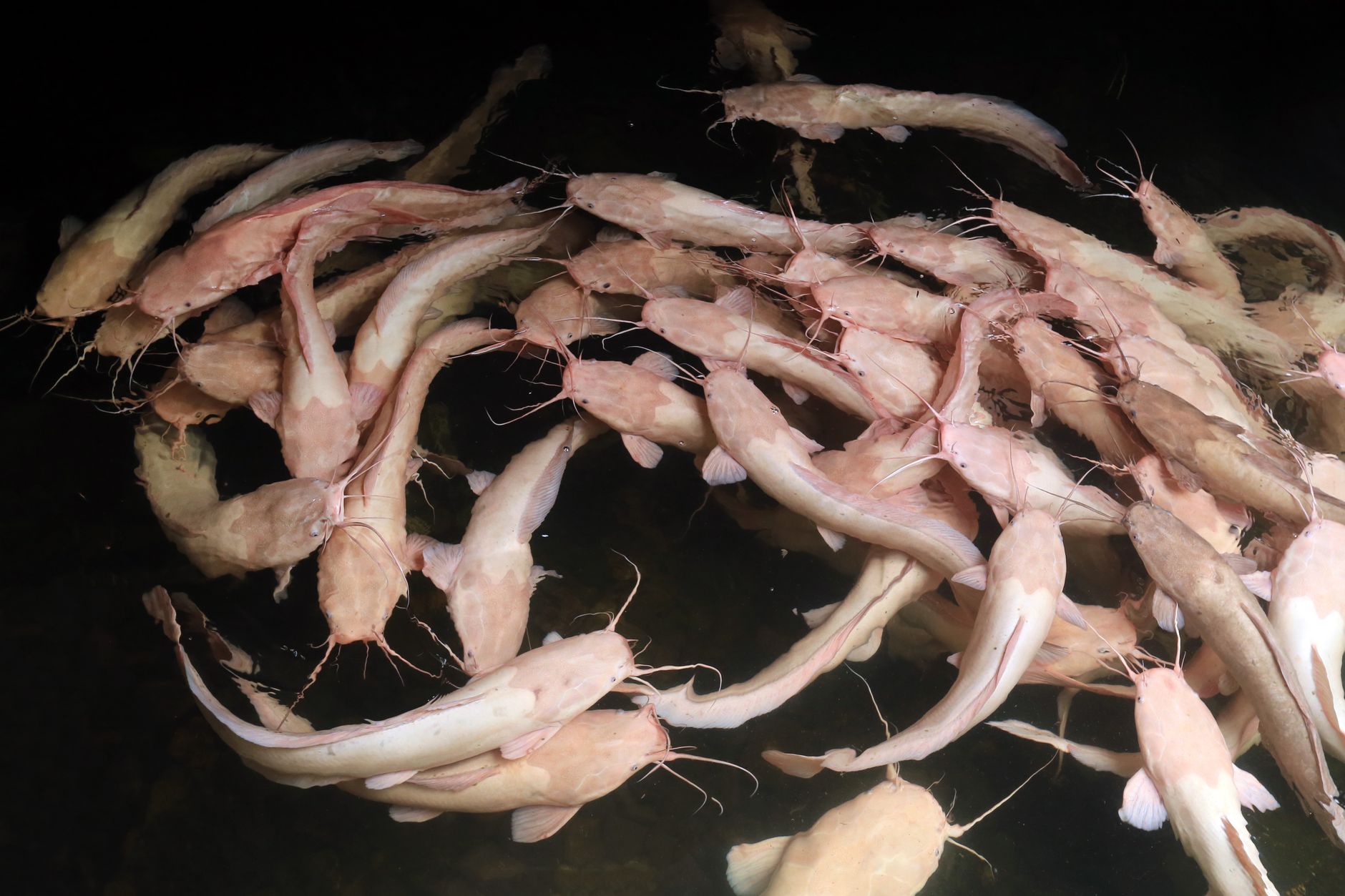
Exactly how the catfish infect each other is unresolved, and the two study co-leaders stress different pieces of the same picture. Mark Henderson, of UVM's Rubenstein School, ties it to breeding. "It seems to only happen in larger fish that are of spawning age," he said. "Maybe some part of spawning behavior leads to the spreading of the cancer between animals." Dragon suspects the mechanism is physical: spawning bullhead pile into shallow clusters and carry sharp spines behind the pectoral fins. "We think that they actually scratch accidentally each other, and that is one potential avenue for the cancer cells to invade a new host."
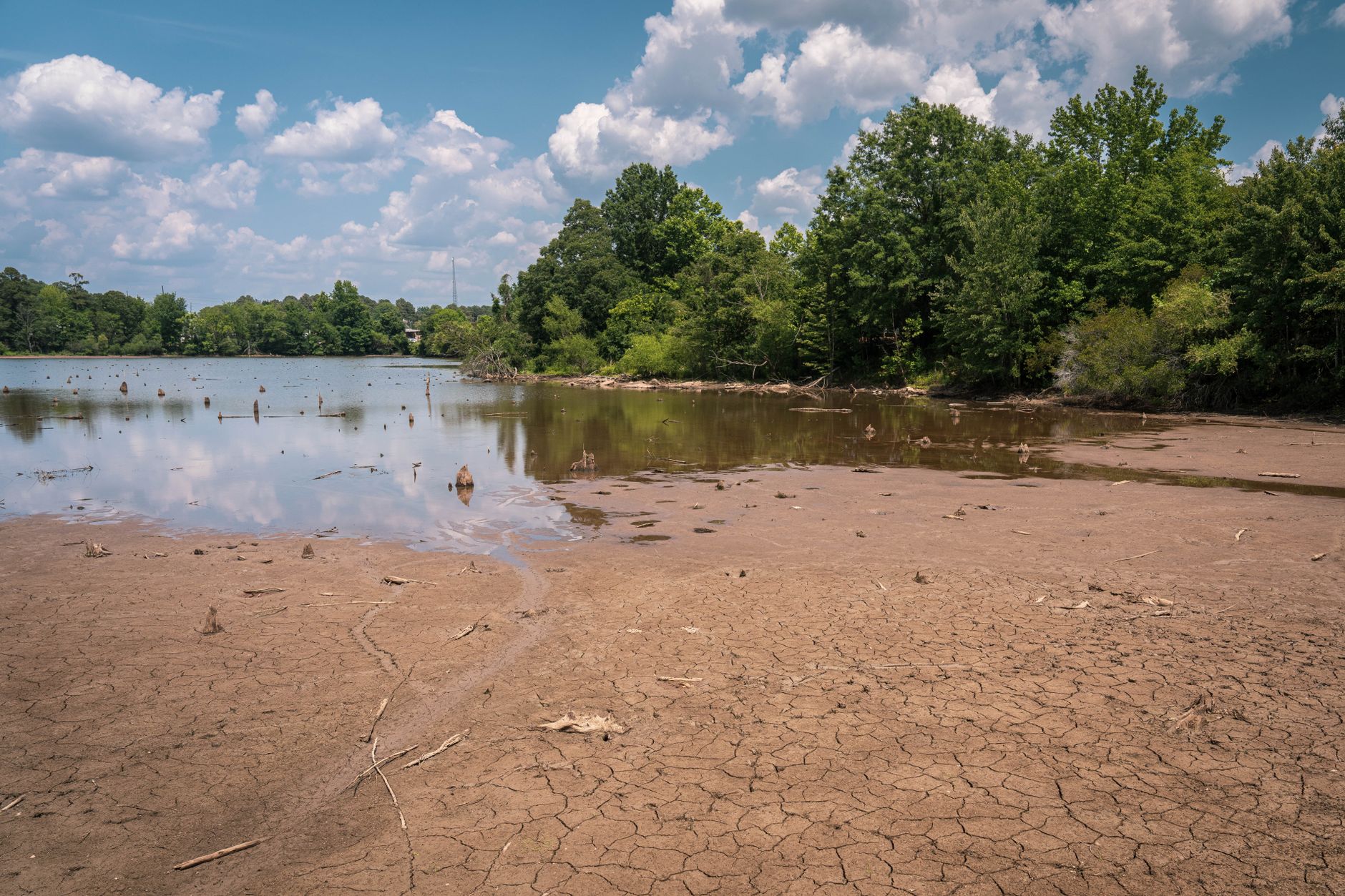
The landfill theory does not hold up. The disease is distributed evenly along the entire lake instead of concentrating near South Bay, and pollutant levels match nearby waters such as Lake Champlain, where no transmissible melanoma has been found. The team did find elevated arsenic - a naturally abundant element in New England soils - inside the cancer cells, roughly tracking the geography of the disease.
It has already crossed borders. "We don't think it started in Lake Memphremagog, and we have already confirmed that it does exist in lakes in New Hampshire and Maine," Dragon told The Canadian Press.
New Brunswick angler Scott Young, who has encountered spotted bullhead over a four-decade fishing career, took Cambridge researcher Zoe Clarke out in May to collect specimens. Clarke expects DNA results shortly and thinks they will match. "How the heck did this happen? Why is it here?" she said. "That's the kind of thing that we're going to be devoting a lot of our energy to over the next few years." A return trip to the Saint John River is planned for next year.
The advice to anglers is limited. Dragon says there is no evidence of any risk to humans, and the lake supplies drinking water for more than 175,000 people. Still, the US Fish and Wildlife Service advises against eating fish with visible lesions, and Henderson was direct about it: "And, personally, I wouldn't eat the ones with tumors."
Whether the disease will thin the population is unknown. Around 30 percent of Memphremagog bullhead are affected on both sides of the border, and badly diseased fish live for years - closer to the canine model than the Tasmanian devil one, at least so far.
Vincent Lynch, an evolutionary biologist at the University at Buffalo who had no role in the research, explained why the finding matters beyond fisheries. "Normally, cancers are sort of a dead end," he said. "When the host dies - when the person with the cancer dies - so does the cancer." A cancer that jumps hosts escapes that limit. "The cancer wants to survive. Now it's got a life of its own."
Dragon thinks the case may be less exotic than it appears. "Our contention is that maybe it's not as rare as everyone thinks. We're just not seeing it," she said. "In the case of transmissible cancers, it may be that we don't see many simply because we aren't looking for them."
Henry David Thoreau may have been the first to record it. On the Concord River in July 1852 he described a catfish with "a very large velvet-black spot, which included the right pectoral fin; a kind of disease I have often observed on them." Massachusetts ponds and rivers are now being sampled to test whether the lineage began there.