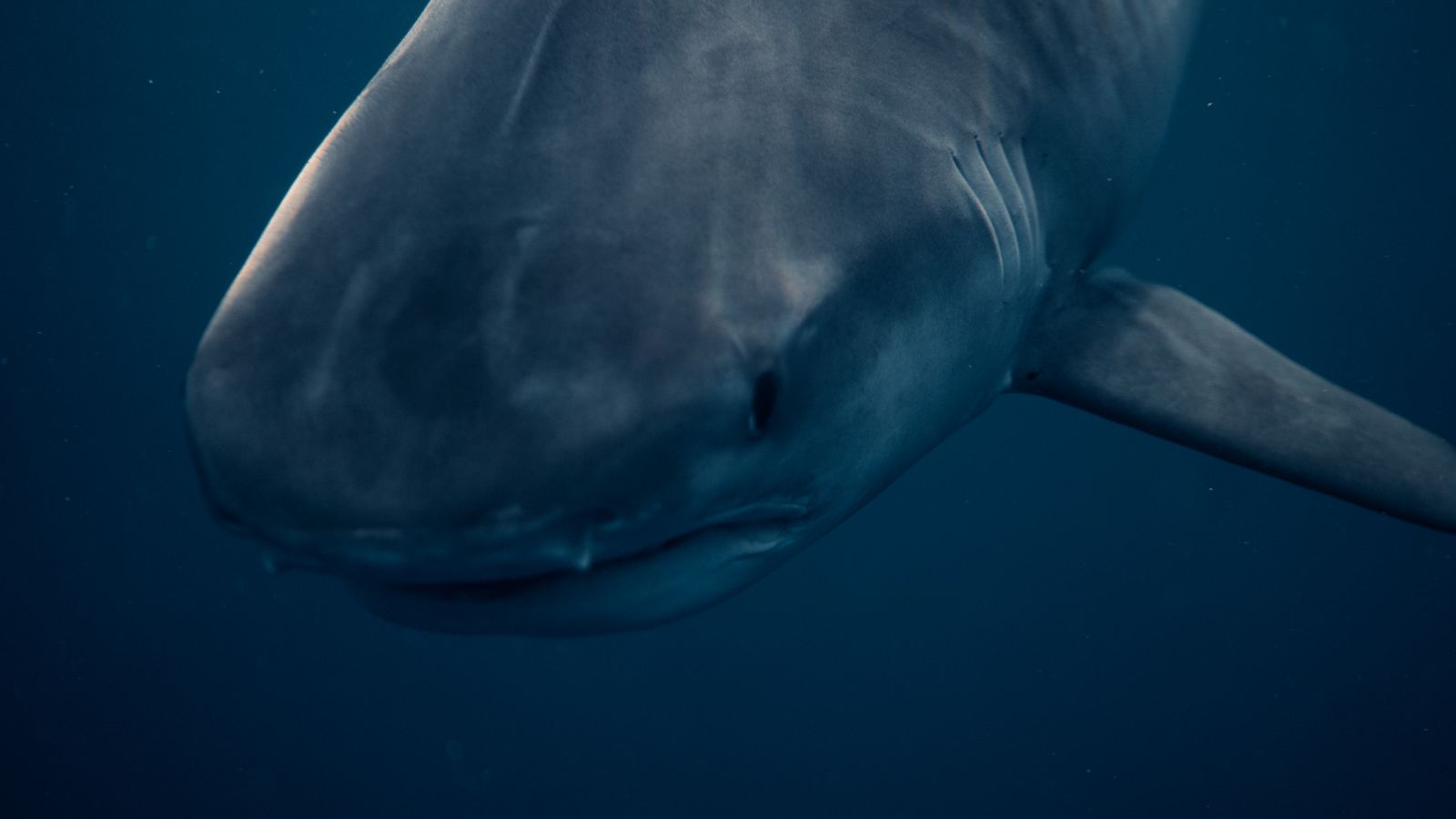
It has been the deadliest kind of year in Australian waters. Four people have died in shark attacks in 2026, and a run of them in late autumn struck the spearfishing and diving community in particular. Against that backdrop, New South Wales is pouring more money into an already sprawling shark-surveillance network, and anglers up and down the coast have a stake in whether it works.
The tipping point came on June 13, when Sydney schoolteacher Leah Stewart was attacked by a great white measured at somewhere between nine and 13 feet. She was swimming between the flags at Coogee Beach, a patrolled inner-city stretch, when she was mauled and left in critical condition. That an attack could happen there unsettled a lot of assumptions.
The government's answer is a 120 million Australian dollar commitment over two years, with 34 million of that carved out for drones. Beginning July 1, dawn-to-dusk aerial patrols now cover about 72 beaches all year, running from Palm Beach down to Cronulla and along the North Coast.
Premier Chris Minns was careful not to oversell it.
"We know people love getting out to our beaches, and they should feel confident doing it," Minns said. "While no one can ever promise no shark interactions, this investment is about putting more eyes in the sky so we can spot sharks earlier and give people a clear heads-up when they're in the water."
The drones are flown by Surf Life Saving NSW, and chief executive Steve Pearce says the numbers already stack up. His crews, he said, "conducted more than 100,000 flights and identified and prevented over 2000 sharks interacting with swimmers and surfers" over the past year.
Other backers kept it simple. Agriculture Minister Tara Moriarty said "NSW has some of the most beautiful beaches in the world, and we want people to enjoy them safely," while Pittwater MP Jacqui Scruby described the ocean as "part of who we are and our daily lifestyle."
There is pushback on the broader approach. PETA has campaigned against lethal shark control such as nets and drumlines, arguing that killing sharks solves nothing and that the animals belong in the water they are being blamed for using. Supporters of the drone rollout are quick to point out that aerial spotting kills nothing.
For anglers and spearos, the gap in the plan is obvious. The cameras hover over the packed, flagged beaches, not the rock ledges, river mouths and reefs where fishing and diving actually happen, and where several of this year's fatal encounters occurred. For those who fish beyond the patrolled sand, the surveillance boom may offer more reassurance to the public than protection to them.