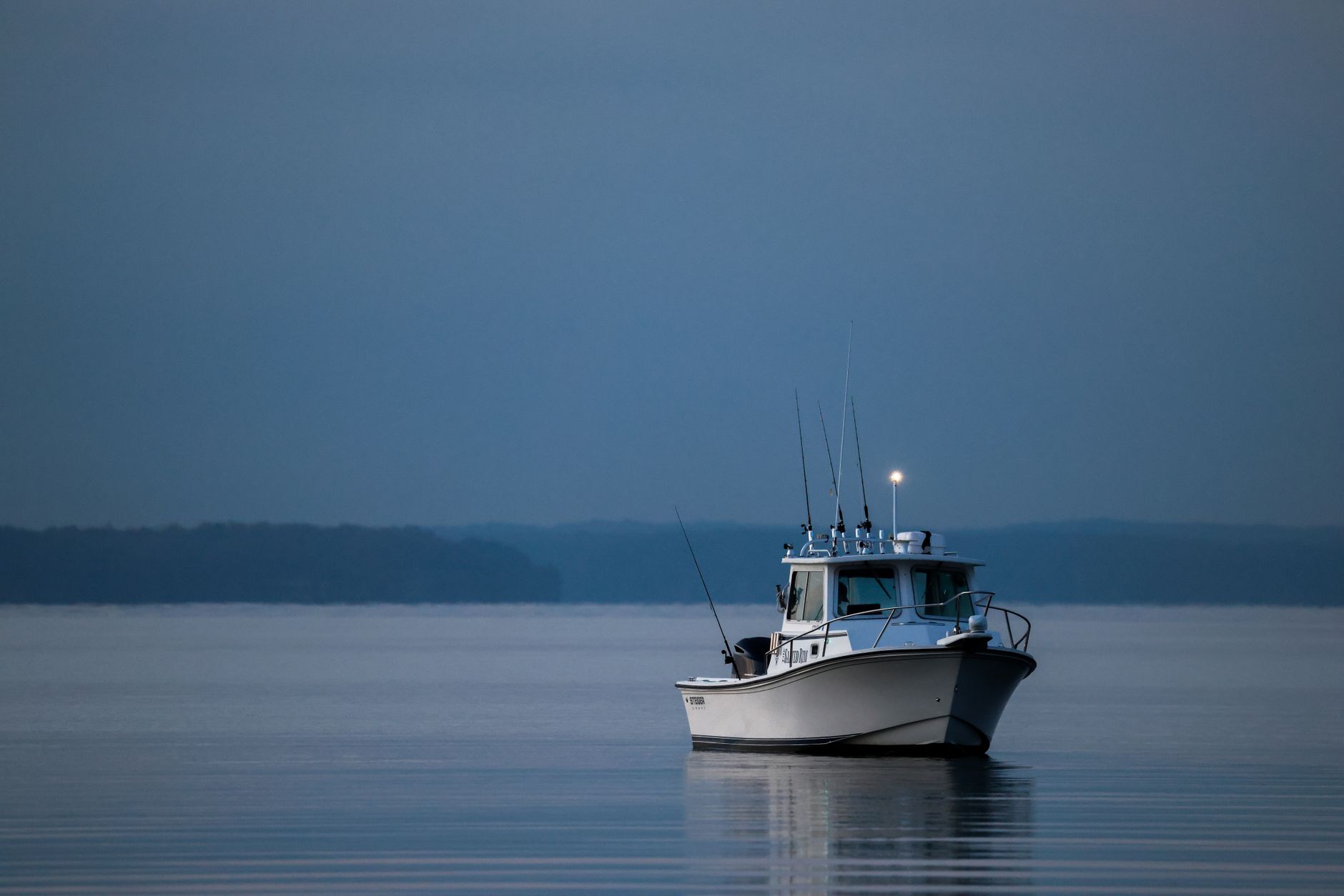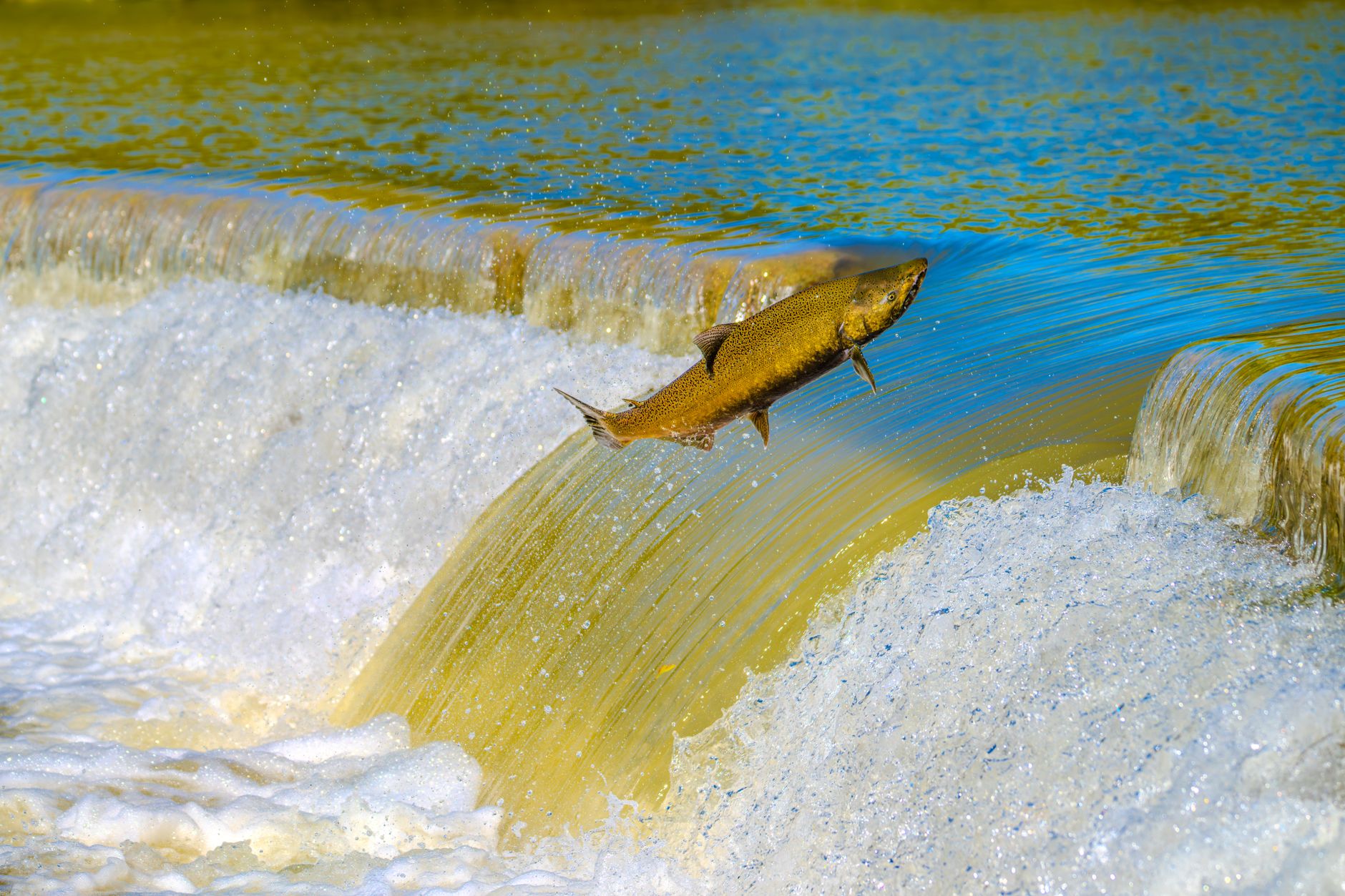
For the first time since 2022, salmon are coming off California boats and onto restaurant menus. The state's commercial ocean salmon fishery began reopening in phases in May 2026, and recreational Chinook fishing is set to return to the Klamath River Basin and the Sacramento River system this summer — the end of the longest fishing shutdown in California history.
The California Fish and Game Commission locked in the river seasons at its May 6 meeting. On the Klamath, late spring-run Chinook fishing opens July 1, with the fall run following on August 15 under an adult quota of 3,248 fish. Central Valley anglers get a general fall-run season from July 16 to December 16. The reopening follows three straight years of total closure in 2023, 2024 and 2025, imposed after fall-run Chinook collapsed to roughly 85 percent below their pre-2005 average.
State officials framed the decision as proof that years of intervention are paying off.
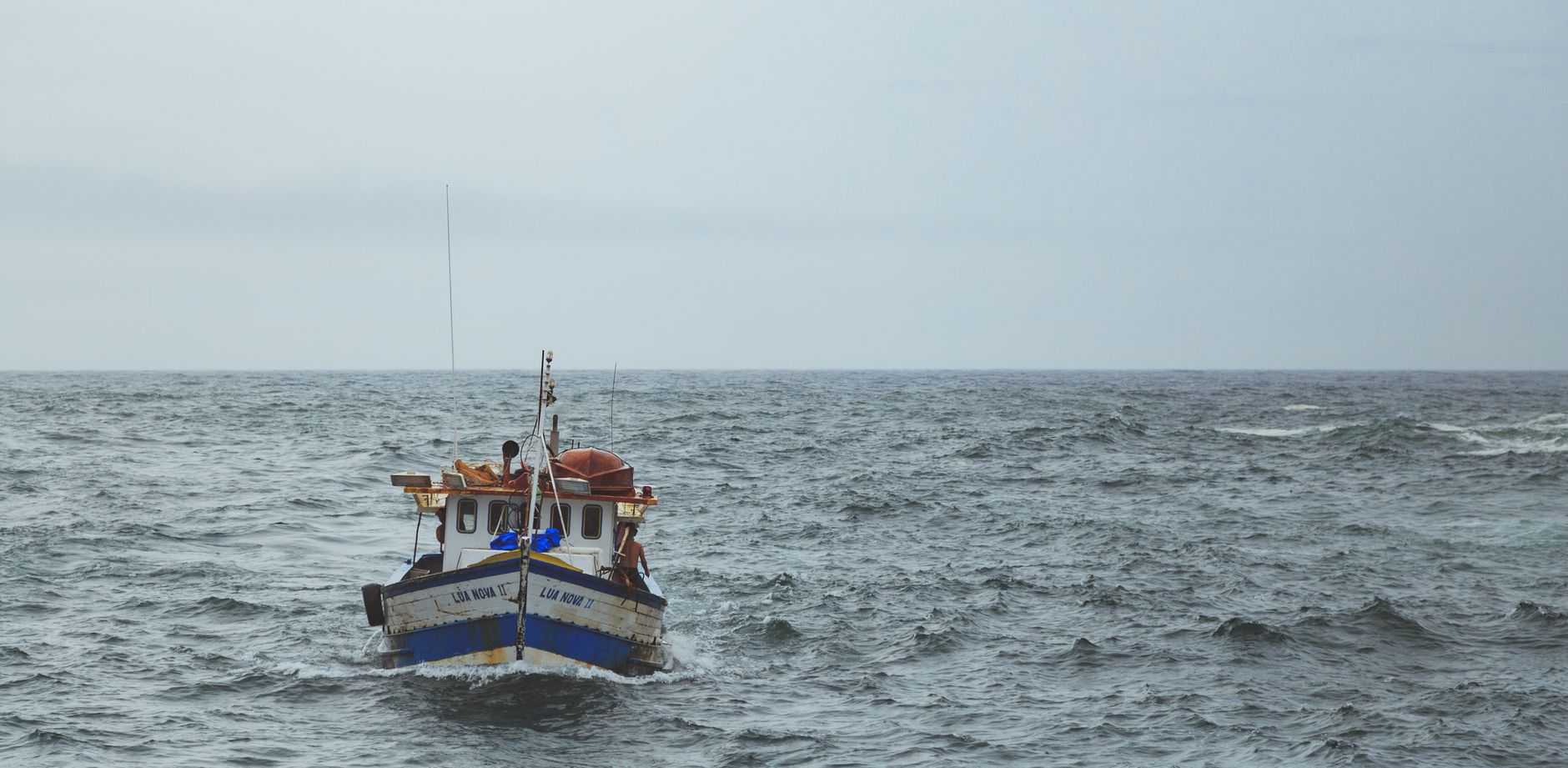
"The California Department of Fish and Wildlife is incredibly encouraged to see our public and private collaborative efforts pay off," said CDFW Director Meghan Hertel. "It is a moment of genuine celebration for everyone invested in the health of our watersheds."
CDFW information officer Steve Gonzalez tied the rebound to weather as much as policy.
"Salmon are on a three-year cycle, so the three years where the fishery was closed kind of reflects the three years prior that there was a drought," Gonzalez said. "What we're seeing now is the first year of a wet winter, and then other policies that we changed and improved on." Dam removals on the Klamath River, he added, were part of the turnaround. "This fish is iconic for the state of California, for the tribal nations, for families going out fishing with their kids. It's hopeful news."
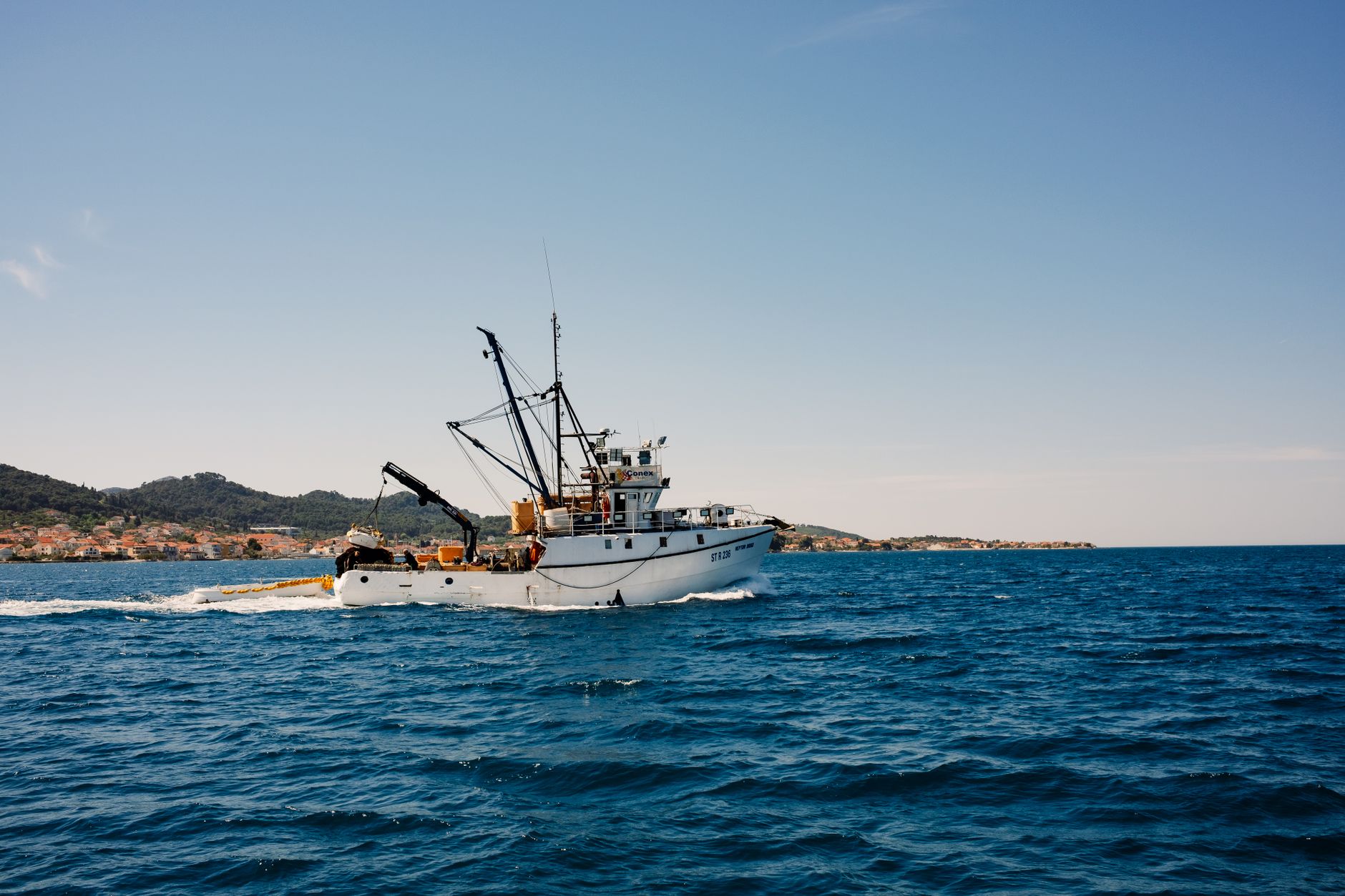
"The limited reopening is a lifeline. It gives you a little bit of money," said Vance Staplin, executive director of the Golden State Salmon Association. But, he added, "they're not getting enough to sustain their businesses the way it was prior to this shutdown, by any means."
The shutdown scattered the fleet. Federal disaster relief totaling $20.6 million was distributed to affected communities, but for some it barely registered. Chris Pedersen, a 66-year-old fisherman, left Half Moon Bay for Arizona and now travels to Oregon to fish; his share of the aid came to about $8,000.
"Nobody can afford to fish in California. A lot of the good fishermen have left," Pedersen said. "I put everything I have into my boat, and we don't get to fish."
In the far north, the frustration is sharper. Commercial salmon fishing remains banned inside protected zones covering Crescent City and Eureka, leaving that harbor on the sidelines even as the rest of the coast reopens.
"It's devastating to the harbor and to the community," said Rick Shepard, a Crescent City Harbor District commissioner, who noted salmon was once among the harbor's largest sources of revenue. He caught his own limit this week across the border in Brookings, Oregon. "And we're sitting here. It's a vacant parking lot in my harbor. Nobody's here."
Scientists urge caution about reading too much into one good year. Fisheries ecologists writing in The Conversation warned that the reopening "does not mean the underlying problems have been solved," pointing to water management, hatchery-driven loss of genetic diversity and decades of blocked spawning habitat as the deeper threats. Without changes on those fronts, they argued, the boom-bust cycle that closed the fishery in 2008-2009 and again in 2023-2025 is likely to repeat.