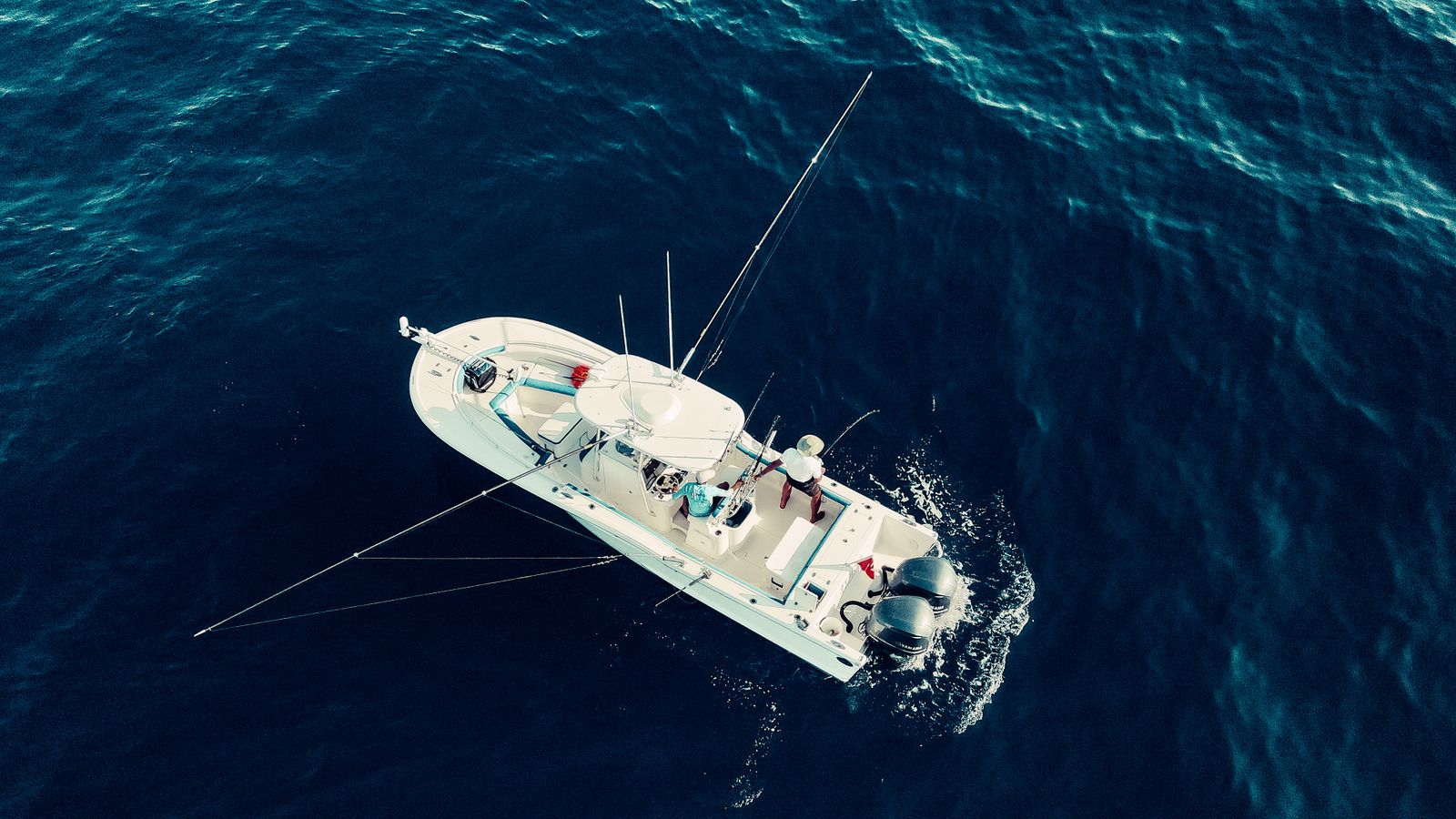
The free ride is over for reef anglers who want a descending device. The programme handing them out has, at the same time, widened its map.
Return 'Em Right switched to a new distribution model on 13 May. Anglers who complete its free 15-minute online training can still claim a release kit valued at more than $100 -- a pre-rigged SeaQualizer descending device attached to a 3lb lead weight with a three-way swivel, plus a SeaYaLater release hook -- but they now cover shipping and handling, roughly $12. Eligibility has also pushed beyond the Gulf: reef fish anglers in the South Atlantic can now order a package.
"Return 'Em Right has grown from zero to over 50,000 anglers in the past four years, and the response from our community has been overwhelmingly positive," said Nick Haddad, the programme's director. "By asking anglers to cover shipping and handling moving forward, we're allowing the program to expand its reach and deliver stronger conservation results."
Writing on the programme's own site, Natalie Matthews framed the charge as a filter rather than a fundraiser, arguing that when anglers make even a small investment in the gear, the programme sees stronger engagement and heavier use of it on the water. The training stays free regardless, and Return 'Em Right says it wants anglers to take it whether or not they want a kit.
The problem the gear solves is barotrauma. Reef species live between roughly 50 and 400 feet down, and when they are reeled up fast the gases in the swim bladder expand faster than the fish can vent them. Stomachs push out through the mouth, eyes bulge, scales lift. Released over the side, the fish cannot swim down. It floats, and something eats it.
That is why the numbers behind descending devices matter to stock assessments and not just to individual fish. Research by Dr Marcus Drymon, an associate professor of marine science at Mississippi State University, found that fish taken back down to depth avoid being eaten by sharks or dolphins more than 99 percent of the time. Work by Dr Brendan Runde has repeatedly found the devices cut discard mortality -- the hidden kill that never appears in a catch report but keeps rebuilding stocks like red snapper and gag grouper on a short leash.

Captain Ed Walker, a Gulf fishing guide of almost 35 years, has told the programme that awareness on boats has shifted sharply, with more anglers now understanding barotrauma and actively wanting a fix for it.
The timing of the change is the part worth arguing about. The DESCEND Act, which took effect in January 2022, required every boat fishing reef species in Gulf federal waters -- commercial, for-hire and private recreational alike -- to carry a descending device or venting tool rigged and ready. Not stowed in a hatch. Rigged. That federal mandate was written with a January 2026 sunset.
The outdoors outlet Science of Fishing argued in a recent analysis that the sunset changes very little in practice, since Florida adopted its own descending-device-or-venting-tool requirement for state waters in April 2023 with no expiry date attached, and since the habit has now outlived the rule that created it. Its reading of the evidence is blunt: surface-released reef fish are roughly three times more likely to die than fish sent back down on a descender.
Still, the two changes land together. The federal stick has lapsed in the Gulf at the same moment the carrot stopped being entirely free -- and the programme has chosen that moment to take on North Carolina, South Carolina and Georgia as well. Whether $12 is a filter or a barrier is now a live question, and the answer will show up in the sign-up numbers rather than in anyone's press release.
One piece of practical research softens the ask. Studies suggest a fish released at roughly one-third of the bottom depth survives about as well as one taken all the way down. For a fish hooked in 150 feet, that is a 50-foot drop -- a job the standard rig does in well under a minute.