A single underwater microphone anchored to a reef in Indonesia's Spermonde Archipelago recorded almost 3,570 explosions across 3,650 hours of listening - an average of one blast every 62 minutes of recording.
Extrapolated across a year, that is roughly 8,500 detonations inside an area of just 350 square miles, according to the British-led team behind the study, published in the Zoological Society of London journal Remote Sensing in Ecology and Conservation.
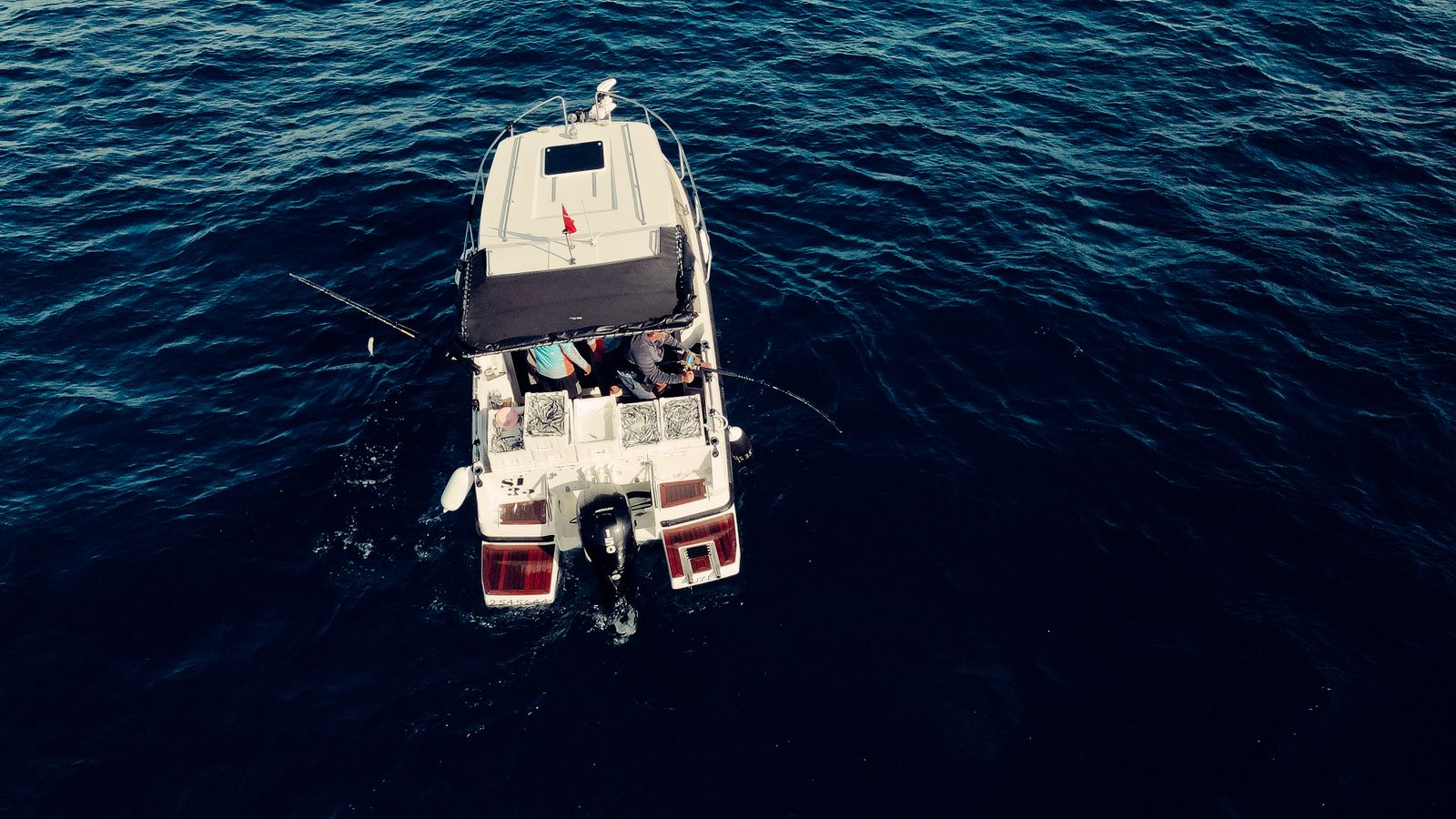
Blast fishing - fertiliser or explosives packed into plastic bottles and thrown overboard - kills or stuns almost everything within a 10 to 30 metre radius. Fish surface with ruptured organs and burst swim bladders, easy to scoop into nets. The pressure wave also shatters the slow-growing coral structure underneath. The practice has been illegal in Indonesia since 1985 and has been documented in at least 31 countries, from Lebanon and Libya to Brazil and Ecuador.
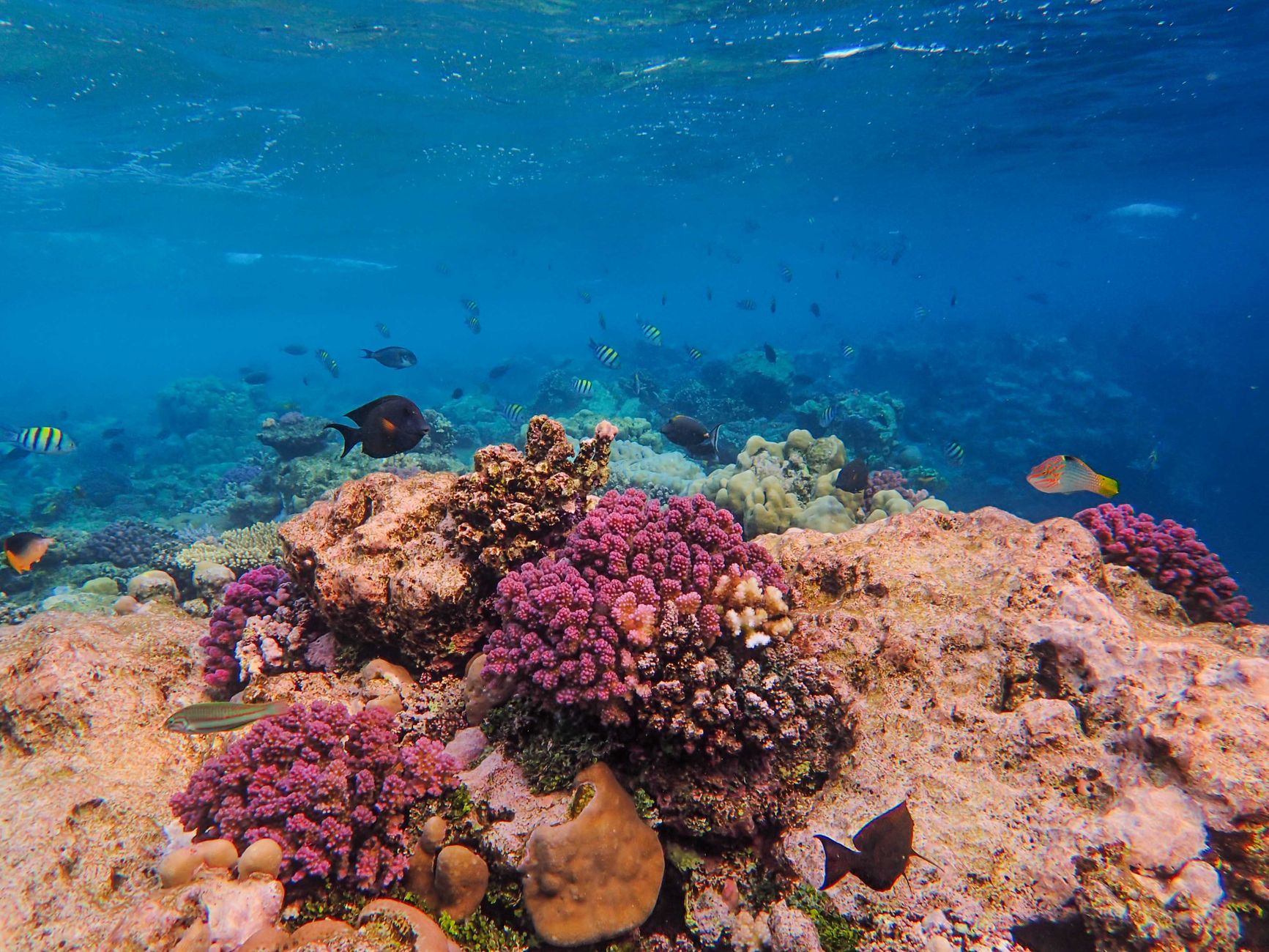
"Bomb fishing is quite likely the leading cause of reef loss in this area," said Ben Williams, the paper's lead author, a marine biologist turned AI scientist working with the Zoological Society of London and University College London. A single bomb, he noted, can wreck 200 square feet of reef.
"These picturesque reefs get converted into a landscape that looks like the moon. It's just rubble and dead coral with very little sign of life."
WHY NOBODY KNEW THE SCALE
"We know bomb fishing has been an issue in this archipelago and many others around the world," Williams told Dialogue Earth. "But the challenge has been, we don't really know to what extent it goes on. It could be a few bombs get dropped a month, it could be hundreds. This is the first time we've got real tangible counts of this."
In 2023 the researchers dived down and staked USD150 audio recorders to the sea floor, returning periodically to retrieve the data. Because sound travels more than four times faster in water than air, detonations more than 10 miles away registered clearly. Machine-learning software - now released open-source - chewed through a month of audio in about four hours, with each suspected waveform then manually checked to rule out a misfiring boat engine.
The recordings also produced a behavioural pattern nobody had documented: bombing runs year-round, peaks in the morning, and a significant drop on Fridays, the local day of prayer.
Being close to one is unmistakable. "When [the bombs] are close, it's so loud that it can shake you out of your skin," Williams said. "But if you put your head up on the surface, you probably can't even see the boat that did it."
THE DAMAGE DOES NOT HEAL
Satellite monitoring shows roughly 76 per cent of Spermonde's live coral was lost between 1990 and 2022, a figure driven by bleaching and warming water as well as explosives. But blast damage behaves differently from heat stress - it removes the physical foundation reefs need to rebuild.
"Repeated blasts create shifting fields of rubble that prevent hard coral recruits from settling and growing, making natural regeneration and recovery of the reefs a difficult or impossible task," said Melissa Hampton-Smith, a postdoctoral researcher at James Cook University in Australia, who first studied the practice while working in Tanzania.
Tries Razak, a marine scientist at IPB University in Indonesia and a co-author of the study, put the timescale plainly: "Sites that have been bombed 40-50 years ago are still rubble beds."
At the rate the hydrophone measured, the team estimates as much as 16 hectares of reef could be damaged each year. Williams framed it another way - an area comparable to Vatican City reduced to rubble in three years - and called the results "sobering".
WHERE THE RESEARCHERS DISAGREE ON THE FIX
There is broad agreement on the problem and rather less on the remedy.
Jamaluddin Jompa, a co-author and research professor at Hasanuddin University in Indonesia, argues the restoration work simply cannot outrun the destruction. "Restoration efforts struggle to keep up with such rapid rates of destruction caused by bombing," he said. "Immediate work to tackle bomb fishing is needed."
Hampton-Smith is sceptical that enforcement alone gets there, and pushes back on the common assumption that desperation drives the practice - the cost of boats, explosives and detonators makes it more likely a middle-income fisher's business than a poverty response.
"A combination of factors drives blast fishing, including ineffective enforcement and management," she said. "Managing all illegal fishing, including blast fishing, is complex and varies from place to place, but in general equitable, consistent and legitimate enforcement is key."
Coral reef researcher Tim Lamont of the University of Lancaster took the more optimistic reading, focusing on the tooling rather than the count.
"It's horrifying to discover that bomb-fishing is still so prevalent in places like this - it causes so much destruction in globally important biodiversity hotspots," Lamont said. "But the technology developed in making this discovery is also an encouraging proof of concept. Now it's possible to automatically detect bombs with low-cost equipment, it opens the door for strides forward in monitoring and enforcement."
The authors are careful to flag the limits of their own work: this was a pilot study in one suspected hotspot, and the numbers should not be read as an estimate for Indonesia or the Indo-Pacific generally. What it offers is a method - cheap sensors that could be networked with GPS sync to give authorities real-time detection and rough positions, rather than patrols relying on chance encounters.
Enforcement figures suggest how much is currently missed. Indonesia's national police uncovered 72 cases of destructive fishing last year, arresting 101 suspects. That is set against an ocean territory containing more than 70 million acres of marine protected area alone.
"Because bomb fishing is an acute stressor, you can restore your way out of it," he said. "If bomb fishing stopped, and you went and restored the reefs, they should be healthy and thrive for quite some time to come."