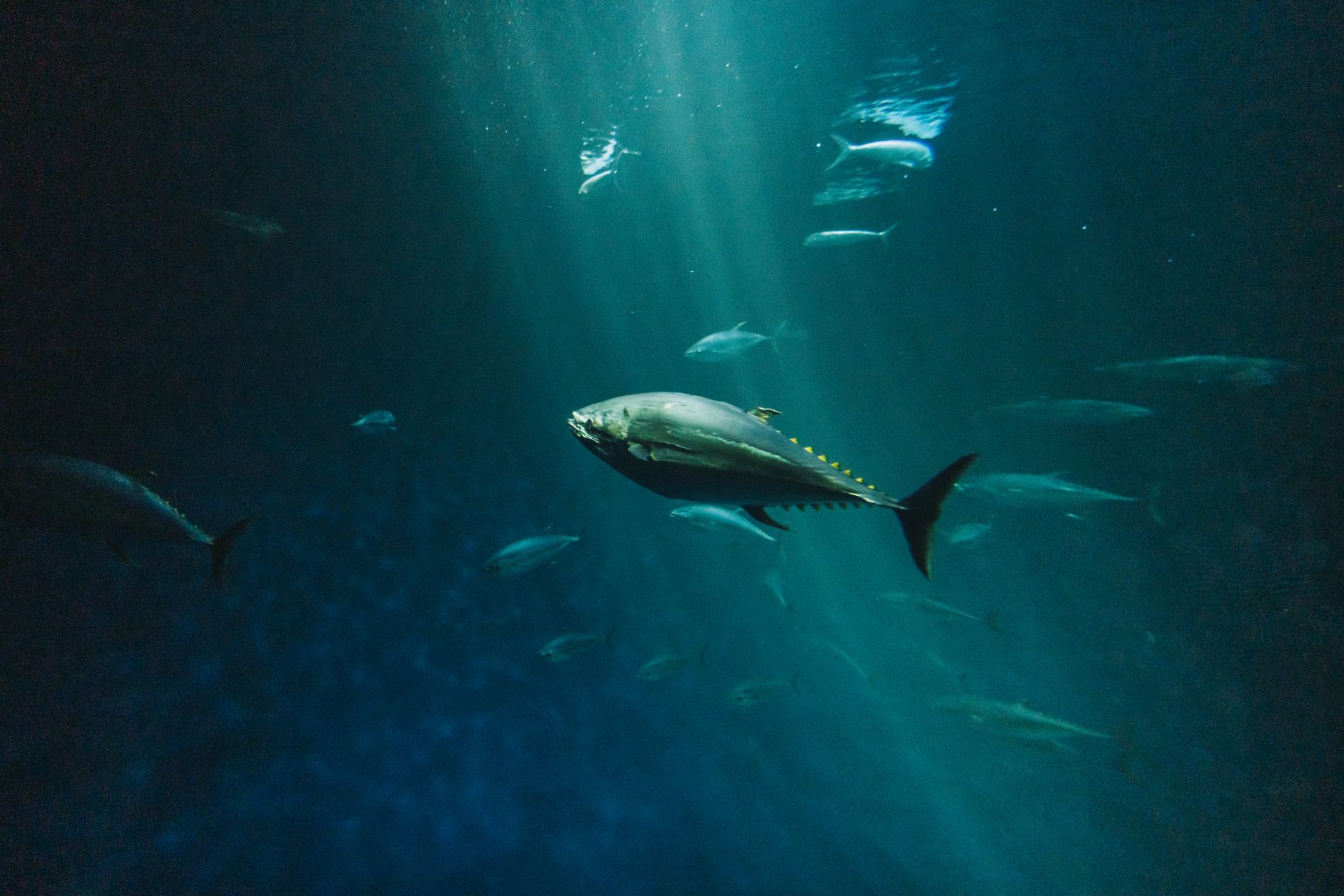
A five-person crew out of Whitby has landed the first Atlantic bluefin tuna taken from the North Sea in an estimated 60 years - and then repeated the feat 24 hours later.
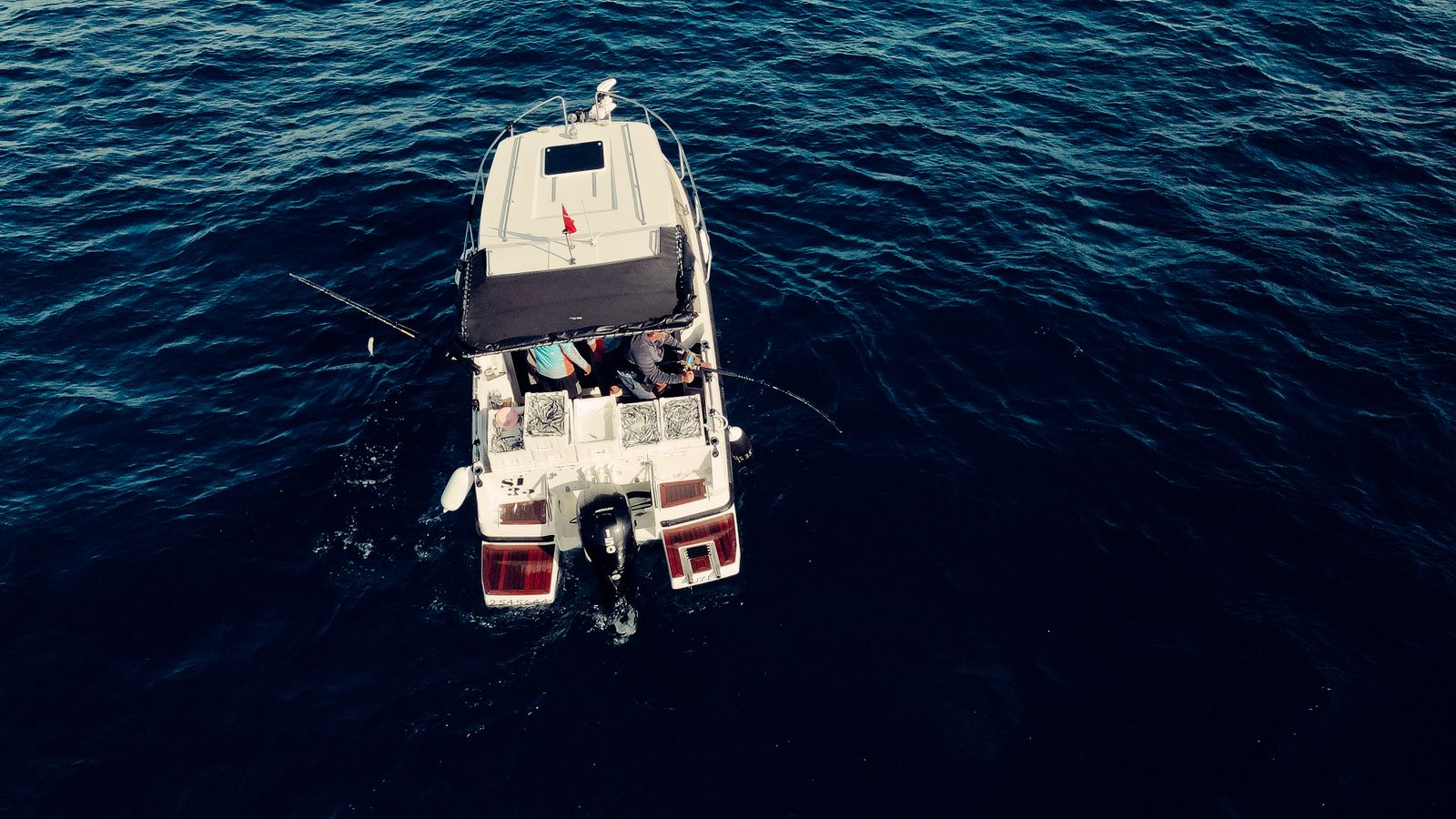
The Dominator was working about 10 miles from Whitby Harbour on Sunday when the first fish, a 338kg specimen, came aboard. The following day the crew landed a second bluefin that weighed, in crew member Jack Gardner's words, "just a little bit" less. Both were over 300kg.
"I have never caught anything like it," Gardner, 28, told the BBC, describing the moment as the "best feeling ever". The crew had run to an area where they had heard the migratory fish were holding.
"Just as we were heading home we spotted a group of birds, so we went to try and have a look around there and that's when we hooked into one," Gardner said. "We knew they were in the waters, it was just whether we could catch them or not because they are fast fish."
The fish did not come easily. The crew dragged it roughly five miles before getting it aboard.
"It jumped out of the water, we all just looked at each other in awe," Gardner said. "We couldn't believe that we had actually hooked into one. [...] The fight was a lot harder than I thought, the power of it."
Both fish sold before the boat reached harbour. Buyer Lance Varrell of Hook to Plate described them as "good quality", bound for restaurants, sushi markets and direct customers. "Bluefin tuna is very popular. It's a very premium fish - they call it the Rolls Royce of the sea," Varrell said, noting London-based itamae will pay as much as GBP100 per kilo for the best fish.
A MANAGEMENT SUCCESS - AND A CAVEAT
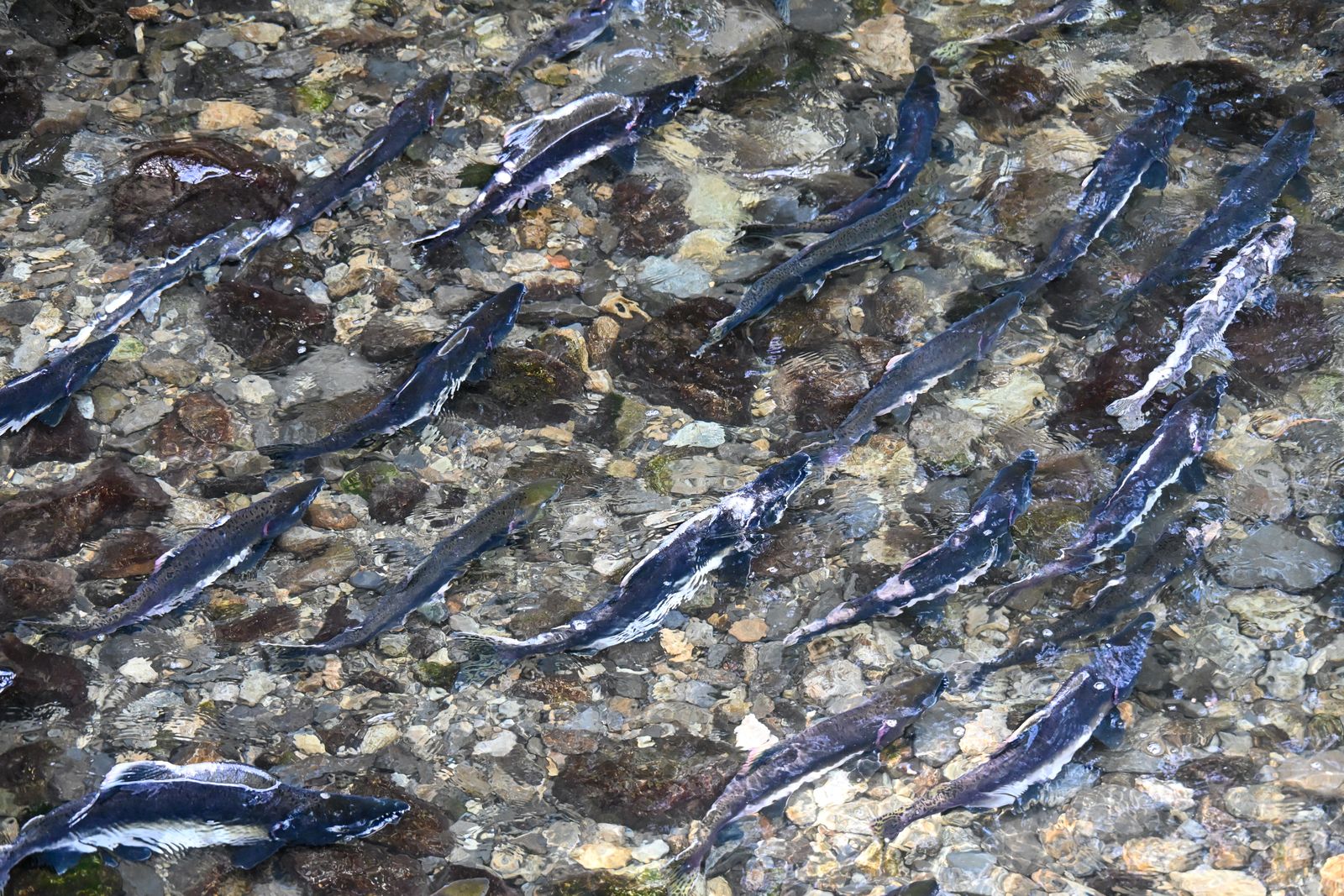
Bluefin vanished from the North Sea by the 1960s, squeezed by overfishing and the collapse of the herring shoals they came north to feed on. Rodney Forster, a professor at the University of Hull and head of the Hull marine laboratory, framed the return as vindication of decades of quota work.
"They were fished almost to the point of extinction in their spawning grounds in the Mediterranean through the 70s and 80s," Forster told The Guardian. "But now careful protection of the stock means they've increased, even to the point that they're now spreading back out to their old grounds around the UK and even into the Baltic Sea."
Bryce Stewart, a senior research fellow at the Marine Biological Association in Plymouth, put it more bluntly.
"It seemed like an era that had gone for ever, you know, I mean normally if we lose a large species like this from an area of sea, they don't come back," Stewart said. "So, as I said, both from a personal scientific point of view, this is a really wonderful thing to see."
Not everyone reads it as a clean win. Both Forster and Stewart flagged warming North Sea temperatures as a contributing factor - secondary to fisheries management, they argued, but real. Stewart described a "sort of knock-on effect", with herring and sprat, the tuna's prey, doing better in warmer water. The Whitby fish were notably well fed, each roughly double the weight of an average bluefin taken off England's south coast.
Calum Duncan, principal policy specialist at the Marine Conservation Society, welcomed the recovery but resisted declaring victory.
"We've got a long, long way to go, but it's really encouraging to have achieved this," Duncan said. "Stories like the return of bluefin tuna send a clear signal that human beings can manage our way out of environmental decline by making good decisions and working together, making good plans and - most importantly - implementing them. But we just need to do a lot more of it and need to ramp it up."
NOBODY KNOWS WHERE THESE FISH CAME FROM
University of Exeter researchers have now tagged six bluefin off Whitby, the first time the northeast England fish have been tagged at all. Since 2018 the team has tagged 165 bluefin off the Atlantic coast of England, Wales and Jersey - but the Whitby fish are considerably larger and, a spokesperson said, "may be genetically distinct from those already tagged".
Dr Lucy Hawkes, who leads the research, credited "some careful and judicious management of fisheries" and pointed out the UK's bluefin quota remains "really small" relative to overall stock levels.
"Bluefin tuna are also top predators who can only be in these waters if the ecosystems underneath them are healthy," Hawkes said. "Essentially their presence is a good way of signalling your waters are doing well, but we have no idea where they've come from - which is why tagging is so important. We are just going to be following the fish day by day, so we just need to see what they do over the next year or two of their lives to figure out who the heck they are and where they come from."
The tags record light, temperature and depth for two years, then detach and transmit summary data by satellite. That data matters commercially as well as scientifically: ICCAT allocates bluefin quota between nations partly on where the fish actually originate.
WILL THE TUNNY CLUB COME BACK?
For anglers, the interesting question is whether sport fishing follows. Between the wars, Scarborough and Whitby were world-famous big-game destinations, with the fish known locally as "tunny". Lorenzo Mitchell-Henry's 386kg fish off Whitby in 1933 still stands as the British record.
"It became big game hunting for some very wealthy gentlemen," said Mark Vesey, chair of the Scarborough Maritime Heritage Centre. "All these people were well-to-do. Some of them went off hunting fish in the Bahamas or big game in Africa. That was their sport, their hobby."
The fish themselves were largely an afterthought. "As far as we know the fish didn't get eaten, sometimes they would give them to farmers to use as fertiliser," Vesey said. "The strong flavour of the tunny fish wasn't as popular at the time." Today the British Tunny Club premises are a fish and chip shop.
Rupert Drury, who caught a tunny off Whitby in 2024 and called it the pinnacle of more than 50 years of fishing, is under no illusion about what a revival would demand of anglers.
"These things are just solid, pure muscle," Drury, 60, said. "You need the adequate strength of gear and adequate strength of character and stamina to be able to pull them in, they are heavyweight things." His own fish took an hour and a half and the help of crewmate Andy Watson.
"The challenge is you are fishing for something that's hard to find, hard to hook, and is incredibly strong," Drury said. "It's a physical thing as much as anything, that's why it's called sport fishing."