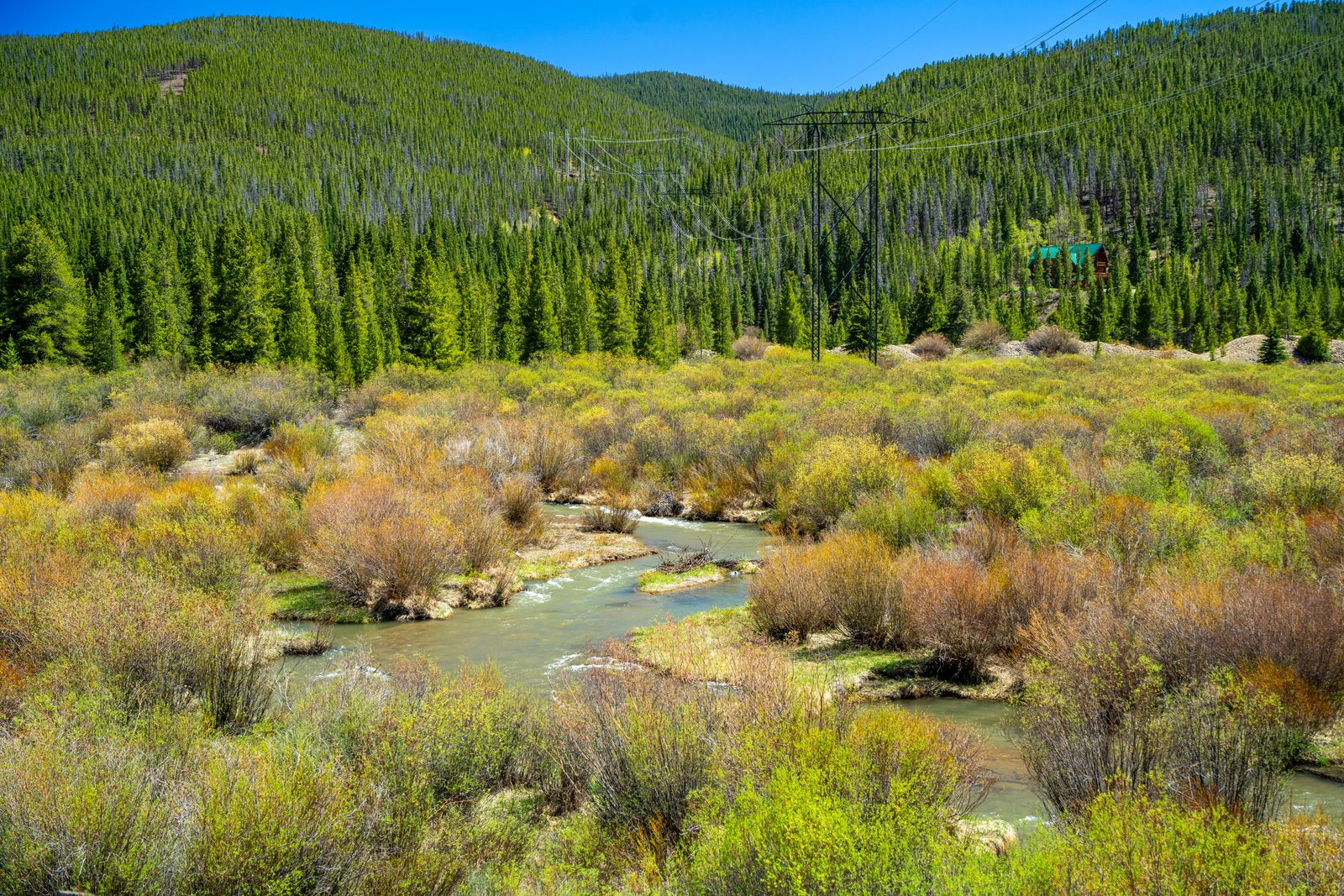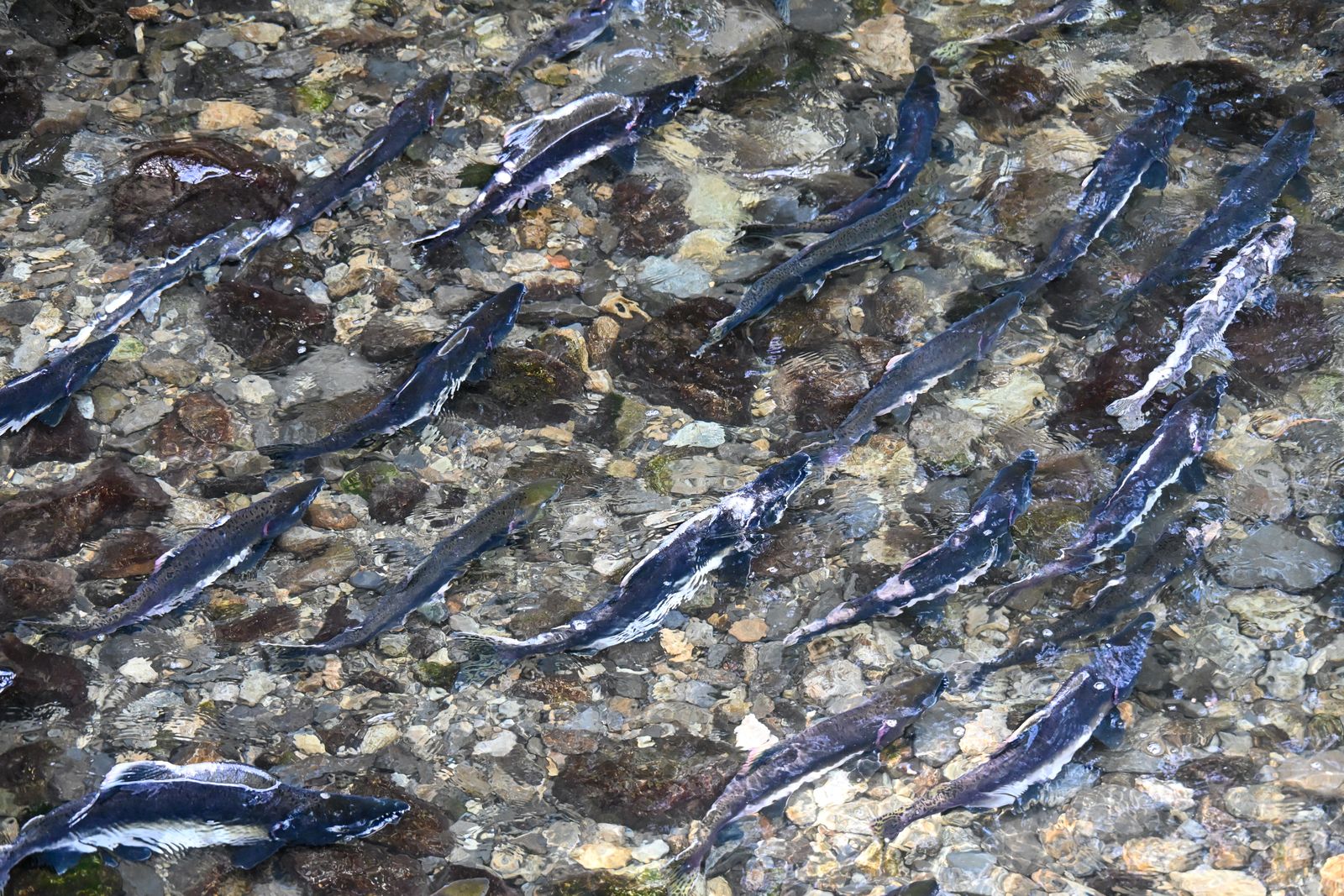
The Alaska Department of Fish and Game has closed sport fishing for coho salmon across almost the whole Knik Arm Management Area, going further than the harvest-only closure it issued days earlier and shutting down catch-and-release fishing along with it.
The wider order took effect at midnight on Friday and covers all waters of the management area, including the Little Susitna River, Wasilla Creek, Cottonwood Creek and Jim Creek. Talkeetna community station KTNA reported that officials based the decision on below-average weir counts, catch rates and reports from local anglers. Only two fisheries were carved out: Fish Creek, which has already met its escapement goal, and the Eklutna Tailrace, which runs on hatchery fish.
That followed an emergency order issued on Monday 17 August that closed coho harvest in the Susitna River and Little Susitna River drainages for the rest of the season, effective 12.01am on Wednesday 19 August, with bait still banned in all flowing waters of both drainages.
The counts behind it are grim. Through 17 August, the Little Susitna weir had passed just 1,385 coho, with a season projection of 2,104 fish, according to the Mat-Su Sentinel. The sustainable escapement goal at that weir is 9,200 to 17,700. KTNA reported a somewhat higher departmental projection of about 6,000 fish; either figure lands well short.
Managers had no help from the Susitna drainage's main indicator. The Deshka River weir was knocked out by floodwater on 15 July, before a single coho had been counted, and has not been running since. State biologist Samantha Oslund told the Mat-Su Sentinel that staff carried out creel observations at several Susitna River locations before the closure, and that the department believed the coho still holding there should be allowed to spawn without anglers targeting them.
The timing falls squarely on the businesses that depend on late-August silvers. Jim Tilton of Deshka Landing Charters and Lodge told the Sentinel the closure would hit salmon charters he had booked for the following week, and that fishing under the earlier bait restriction and one-coho limit had at least let him hold on to most of those reservations. After four consecutive seasons ending in restrictions or closures, Tilton said he would no longer take salmon bookings beyond the first couple of weeks of August. He said he could not recall seeing more than six sport boats at one time this summer near the confluence of the Deshka and Susitna rivers.
None of this arrived unannounced. In late June, retired state sport fish biologist and former Board of Fisheries member Larry Engel told the Sentinel that unless Commissioner Doug Vincent-Lang used his emergency order authority to take a more precautionary line with the Upper Cook Inlet drift gillnet fleet, Northern Cook Inlet coho returns in 2026 could be as poor as those in 2023, 2024 and 2025. Engel argued the commissioner plainly had that authority, and that the department had been reluctant to apply the same caution to commercial fisheries that it applies to sport ones.
Conservation-oriented Upper Cook Inlet coho measures adopted by the Board of Fisheries in March 2026 have still not taken effect. Vincent-Lang has pointed to an unprecedented delay in the state's legal review of newly adopted regulations, which has held up the lieutenant governor's signature; even once signed, there is a further 30-day wait before the rules bite. The same bottleneck delayed board decisions from the Area M and Bristol Bay meetings.
The pattern is now four years deep. Writing in the Frontiersman in August 2025, guide and columnist Andy Couch quoted the department's own justification from that season: "As of August 18, only 2,960 coho salmon had passed upstream of the weir and the escapement is projected to be 4,239 fish. Therefore, it is warranted to conserve the remaining coho salmon returning to the Little Susitna River." A year on, the same weir is tracking at roughly half that number.
There is one soft spot in the picture. Jim Creek counts jumped after rain on the weekend before the first order, to a level Oslund described to the Sentinel as encouraging, and Fish Creek coho cleared the lower end of their 1,200 to 6,000 goal on 11 August. Jim Creek has been shut anyway under the area-wide order, which tells you how little confidence managers have in the rest of the run.
Chum and sockeye harvest remains open in the Susitna drainage. For anyone who came for silvers, the season is over.