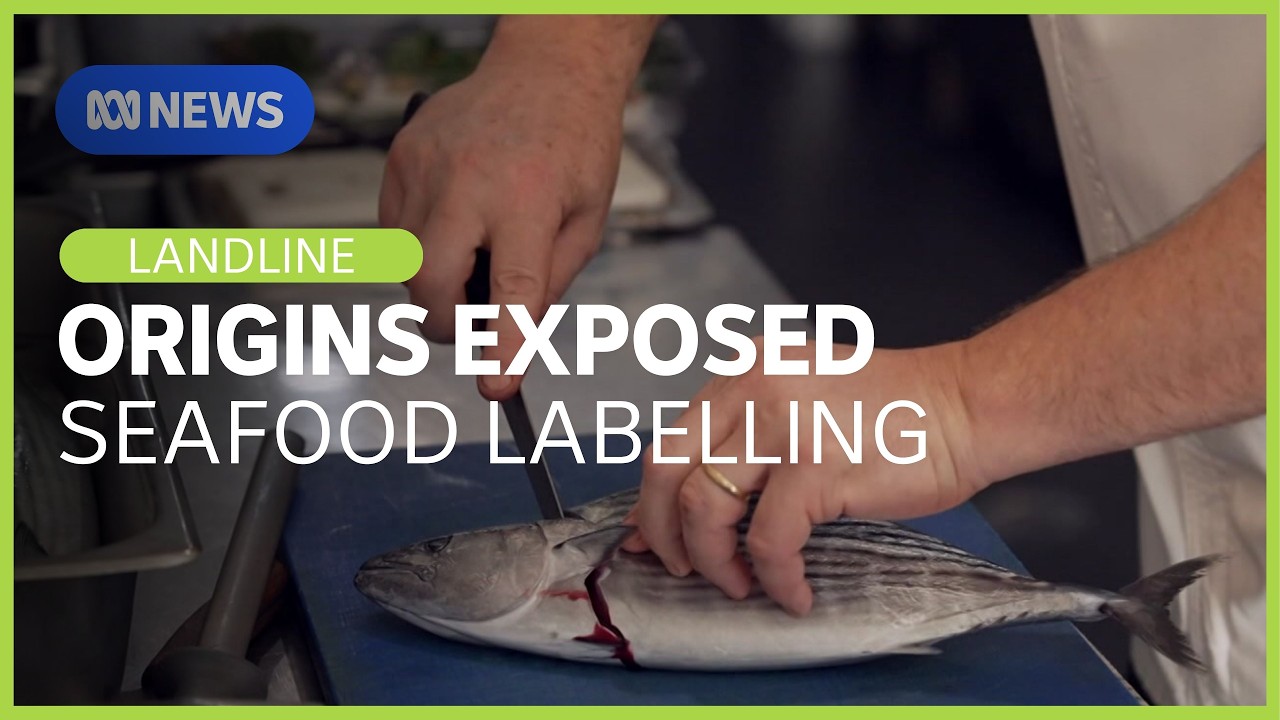
Order fish at an Australian restaurant today and you usually have no idea whether it swam in local waters or arrived frozen from overseas. That changes on July 1, when every restaurant, pub and food-service outlet in the country will be required to declare on its menu whether seafood is Australian, imported, or a mix of both — a transparency rule retailers already follow but that has never reached the dinner table.
Why it matters: more than 64 per cent of all seafood eaten in Australia is imported. Supporters of the reform say diners finally get to choose with their eyes open rather than guessing.
Greg Finn, a multi-endorsed commercial fisher on the Port Stephens estuary in New South Wales, catches everything from Australian bonito to sea urchin and plans each day around weather, price and demand. "Pretty much most of my days are structured around where's the best opportunity with the weather, the value of the fish, and what's in demand and what's seasonal," he said. Diving for urchin in about five metres of water, he treats the bottom like a garden: "It's just food you're gardening. It's just basically going in, having a look at the bottom, reading the bottom, taking the better quality ones, and leaving the rest behind. And then they're there for next season."
Finn supplies chef Ludovic Poyer, whose Port Stephens restaurant was named the best seafood restaurant in NSW in 2024 by the Sydney Fish Market, and who builds his menu around what is in season. "You got all those fish coming all year long and you don't want to eat the same fish all the time. You just don't," Poyer said.
The Fisheries Research and Development Corporation, which oversees research on more than 500 Australian fish stocks, frames the reform as a fairness issue. "What this new country-of-origin labelling system does, it levels the playing field, because a lot of those standards that Australian fisheries and aquaculture producers are held to are not actually the same as standards that our imported products are held to," said managing director Sean Sloan. Australian fisheries are largely managed with strict quotas and regular stock assessments, and Sydney's new $836 million fish market — the Southern Hemisphere's largest — already labels origin on everything it sells.
The timing is brutal for the fleet, which is squeezed by rising costs, expanding marine reserves and the growing political weight of recreational fishing. Veteran Port Stephens crabber Johnny Alessio put it plainly: "It definitely is a lifestyle. It's not a good business decision. It's a sickness. You either got it in your blood or you don't. You also need to be very good at putting away your money, because you never know when you're going to experience a downturn."
For Finn the strain is personal — his son Sam now works the iron ore mines in Western Australia because, as he put it, "I simply don't have the confidence to keep him relying upon what my business may produce for him in the future." His hope is that knowing the source changes how people buy: "When you know it's been caught local, it's got less food miles, and it's got a longer shelf life. I think people deserve to know where their fish comes from. I think it's going to make a huge difference."