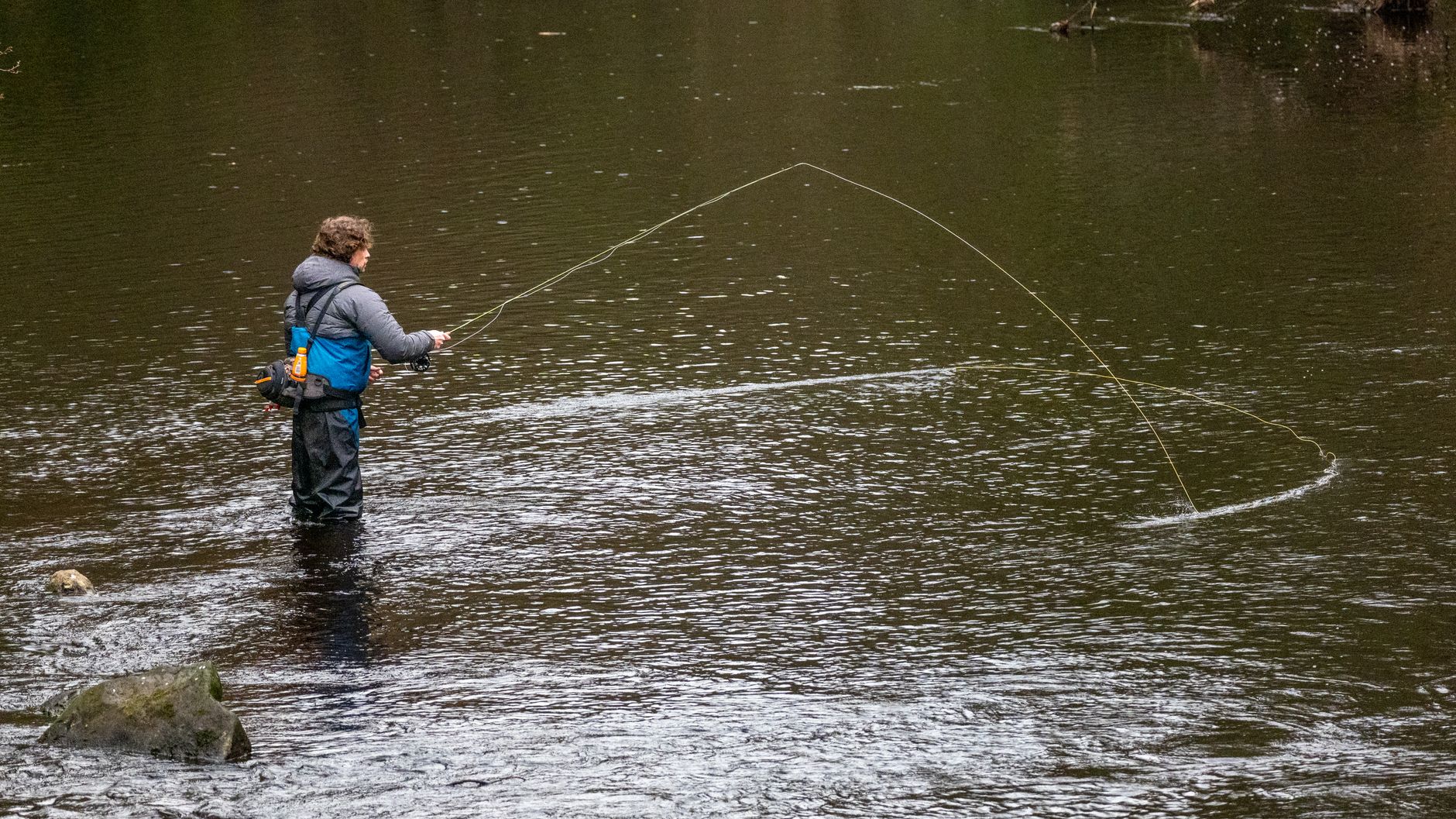
England's rivers are in trouble, and this time the evidence comes from the anglers themselves. Three years of sampling by volunteers has produced a stark set of figures — and those doing the testing say things are deteriorating.
Since 2022 the Angling Trust's Water Quality Monitoring Network has become one of the biggest citizen-science projects around: 800-plus volunteers, more than 40,000 hours in the field and over 12,000 samples drawn from 80 catchments. The findings in its third annual report are sobering. Sites breaching safe nitrate limits rose from 44% in year one to 46% in year two and to nearly half in the most recent testing. Almost 5% of sites topped ammonia thresholds, and chemical pollution — from household products to pesticides and veterinary residues — increased across virtually every catchment.
"Excess nutrients on the scale revealed translate into algal blooms and fish without enough oxygen to survive," said Alex Farquhar, the Angling Trust's freshwater campaigns officer.
Angler and writer Will Millard was blunter still. "This depressing picture underlines firmly that the time for intervention and investment is now," he said. "This is no longer an abstract issue: we are at tipping point."
For the Angling Trust's chief executive, Jamie Cook, the report is a statement about who is doing the watching. "The third WQMN report once again shows how anglers are leading the way in the fight against river pollution," he said.
Sewage and agricultural run-off get most of the attention, but the charity WildFish is flagging a subtler threat: veterinary medicines. Residues wash off treated livestock and out of manure into streams, while pet flea and tick products containing fipronil and imidacloprid keep turning up in rivers at levels above ecological safety limits. Wormers such as ivermectin linger in dung and leach into waterways, poisoning the aquatic insects and invertebrates that underpin the whole food chain.
"Veterinary medicines are vital tools for animal welfare and food production," said Dr Janina Gray, WildFish's head of science and policy. "Their environmental footprint can no longer be treated as a side issue."
Part of the problem, Gray's team argues, is that nobody is really measuring it: Britain has no routine, standardized testing for veterinary medicines in surface waters, so the true scale stays hidden. For anglers who watch familiar rivers turn green and gasping each summer, the WQMN numbers finally attach hard data to a decline they have been describing for years.