A new scientific paper has landed in the middle of Europe's fight over the future of fishing, and the two sides are reading it very differently.
The study, by researchers Frank Asche and Martin Smith and titled "Large and small can be beautiful in fisheries and aquaculture," reviewed three decades of research and concluded there is no evidence that small boats are inherently more sustainable than big ones. Sustainability, the authors argue, is a function of management, not vessel length — good governance produces healthy stocks at any scale, and weak governance wrecks them at any scale.
For the industrial fishing lobby, that is vindication. "Sustainability is determined by how fisheries are managed, not by the size of the vessel," said Javier Garat, president of Europêche, the association representing the bloc's fishing enterprises. He argued that "Europe needs fisheries policies based on science rather than perceptions" — a pointed message as Brussels weighs reopening the Common Fisheries Policy and drafting a new Ocean Act.
Small-scale fishers and conservation groups see the same debate very differently, and they fear the rewrite will hand the sea to the biggest operators.
Oceana wants the first 12 nautical miles of EU coastal waters reserved for low-impact fleets and has urged Fisheries Commissioner Costas Kadis to write that protection into the Ocean Act. Such carve-outs exist in dozens of countries, the group notes, but are largely absent across the EU. "Low-impact fishermen play a crucial role in strengthening coastal communities, generating income, providing local catches and maintaining traditional practices," said Vanya Vulperhorst, who leads Oceana's campaigns in Europe.
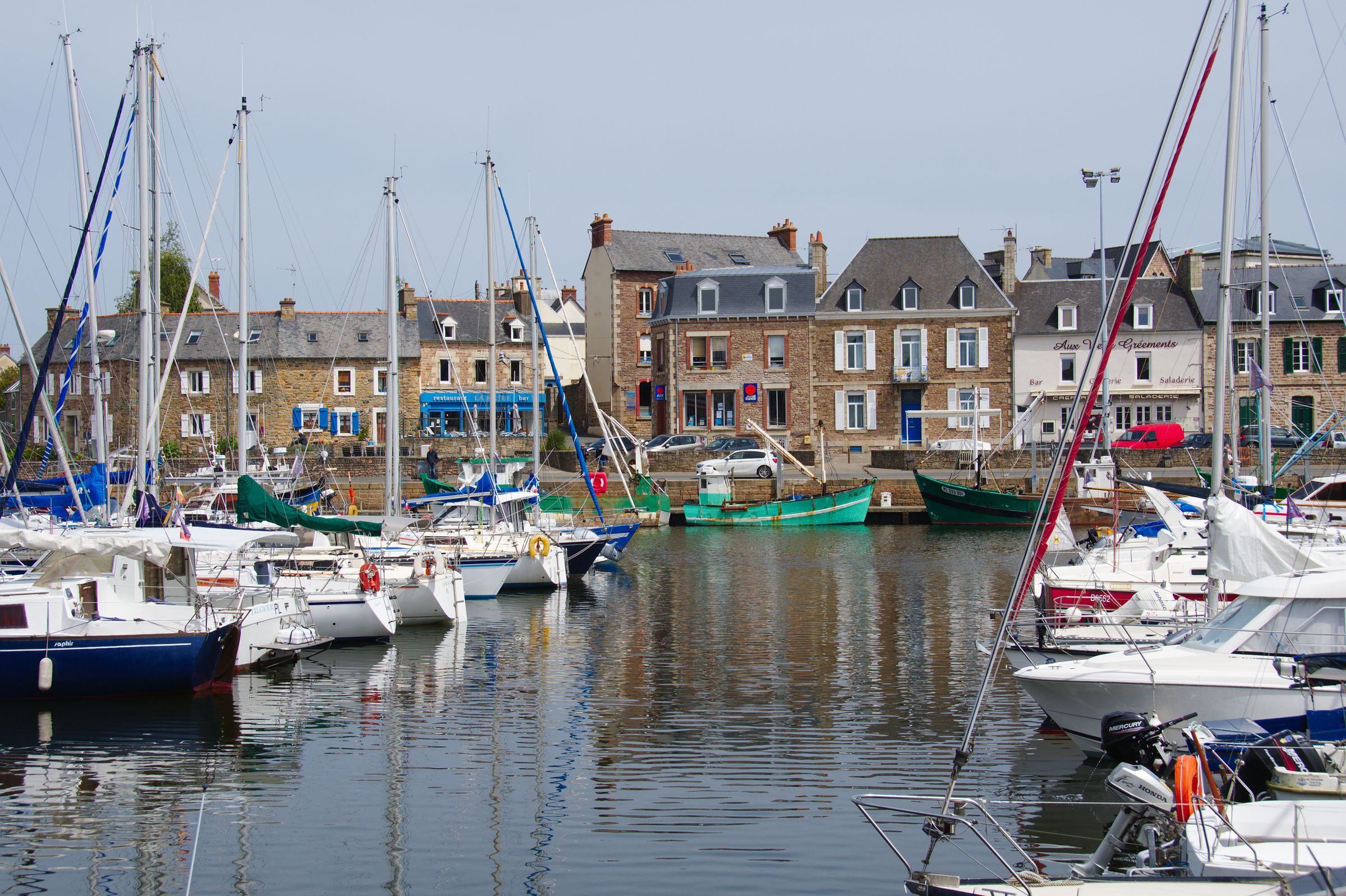
For the fishers themselves, the fight is about who owns access to a public resource. Gwen Pennarun, who chairs an association of line fishermen on France's Brittany coast and represents Low Impact Fishers of Europe, has spent a lifetime on the water. "I have been fishing for sea bass off the coast of Brittany for nearly 40 years," he said. "This profession demands patience, knowledge of ecosystems and a sense of responsibility."
His warning is about the quota system, which allocates fishing rights largely on the basis of past catch volumes — a formula that favours the vessels that already catch the most. "Fisheries resources, which should remain a common good, are in the process of being privatised," Pennarun said. Through the "Make Fishing Fair" campaign, small-scale operators are pushing for a fairer split, arguing that young people cannot afford to enter a trade where licences and quota are concentrated in a few hands. "Our request is simple: every fisher should be able to make a decent living from their trade," he said.
The disagreement is not really about the science in the Asche and Smith paper, which most sides accept: size alone does not determine sustainability. The fight is over what follows from it. Europêche reads the finding as a reason to stop privileging small boats in policy. Small-scale advocates read the coming reforms as a threat to hand more of the ocean to industrial fleets under the banner of efficiency.
The stakes are set by the calendar. Conservation groups have urged the EU to enforce the fisheries rules it already has rather than reopen them, warning that a rewrite could unpick hard-won stock protections. With the Common Fisheries Policy under review and the Ocean Act being drafted, whichever reading of "sustainable" wins is likely to shape who gets to fish European waters for years.