When the sea is described locally as "our supermarket and our garden," a government instruction to stop fishing it is more than a regulatory line. That is the situation now facing communities on the east coast of New Ireland, where the Papua New Guinea government has formally warned residents not to fish or consume seafood from affected waters after independent testing flagged metals in samples taken near Kafkaf village and the Larairu lagoon.
PNG fisheries minister Jelta Wong delivered the warning on 7 May, citing preliminary findings from an independent contractor's water tests.
"The results indicate the presence of poisonous minerals in the marine environment and further investigations are continuing," Wong said at a press conference.
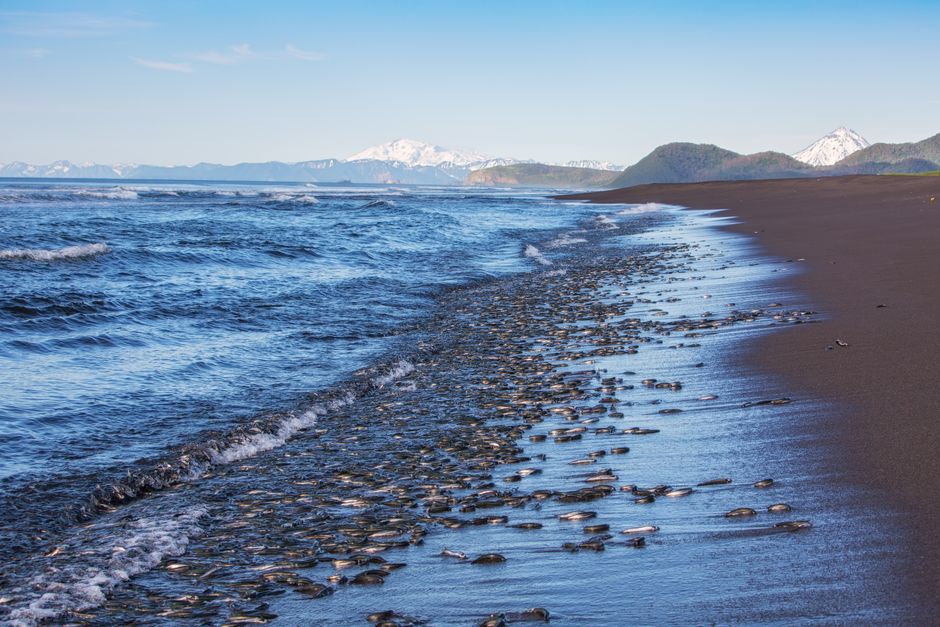
The fish kills first emerged in December 2025, when residents in Kafkaf and Mangai began reporting unusual numbers of dead reef fish washing ashore, according to a 21 May Guardian report. Dead fish were found floating in shallow water with swollen eyes, damaged skin and discoloured flesh. The surrounding seawater took on a sulphur-like smell and turned cloudy or discoloured during low tide.
Independent environmental organisation Ailan Awareness has been on the ground throughout. Its assessments now cover at least 11 villages, with more than 1,250 people reported to have been affected by illness or contaminated food and water. Some residents have reported feeling unwell after swimming or fishing in the affected areas.
A five-day coastal assessment in March by Ailan Awareness documented more than 3,400 dead marine organisms across at least 15 species. Lead conservationist John Aini said the scale of the deaths pointed to a serious ecological disturbance affecting reef systems and coastal biodiversity.
"The communities are frightened because they rely entirely on the ocean for food security and livelihoods," Aini told The Guardian.
He also accused authorities of moving too slowly. As cited by The Guardian, Aini described the response as "total neglect in our time of crisis," with little immediate assistance reaching the affected villages.
For Kafkaf community leader Martha Piwas, the practical impact is being felt at family level.
"We are suffering because the sea is our supermarket and our garden," Piwas said. "Mothers cannot feed their children fish any more. People are getting sick."
Piwas said many people in the village had previously relied entirely on fishing for survival, and now did not feel safe entering the water.
The provincial response has stretched out across months. Authorities declared Kafkaf an environmental hazard and contaminated zone in January after sustained reports of fish kills and human illness. In March, New Ireland governor Byron Chan told parliament the unexplained marine deaths had become a major environmental and public health concern, and called on the national government to take urgent action. The national response has since drawn criticism for the speed of escalation and the limited immediate assistance offered to the affected villages.
Investigations are continuing across national agencies, independent scientists and international laboratories. The work is aimed at identifying the source of the metals detected in the water, mapping the full extent of any contamination, and determining whether the ecological and public health damage along this stretch of New Ireland coast will persist long term. Authorities have stressed that no conclusions about the cause have yet been drawn.
What is already clear is the immediate impact. The ban has effectively closed off the primary food source and main income stream for fishing-dependent villages along New Ireland's east coast, with no clear date attached to when it may be lifted.