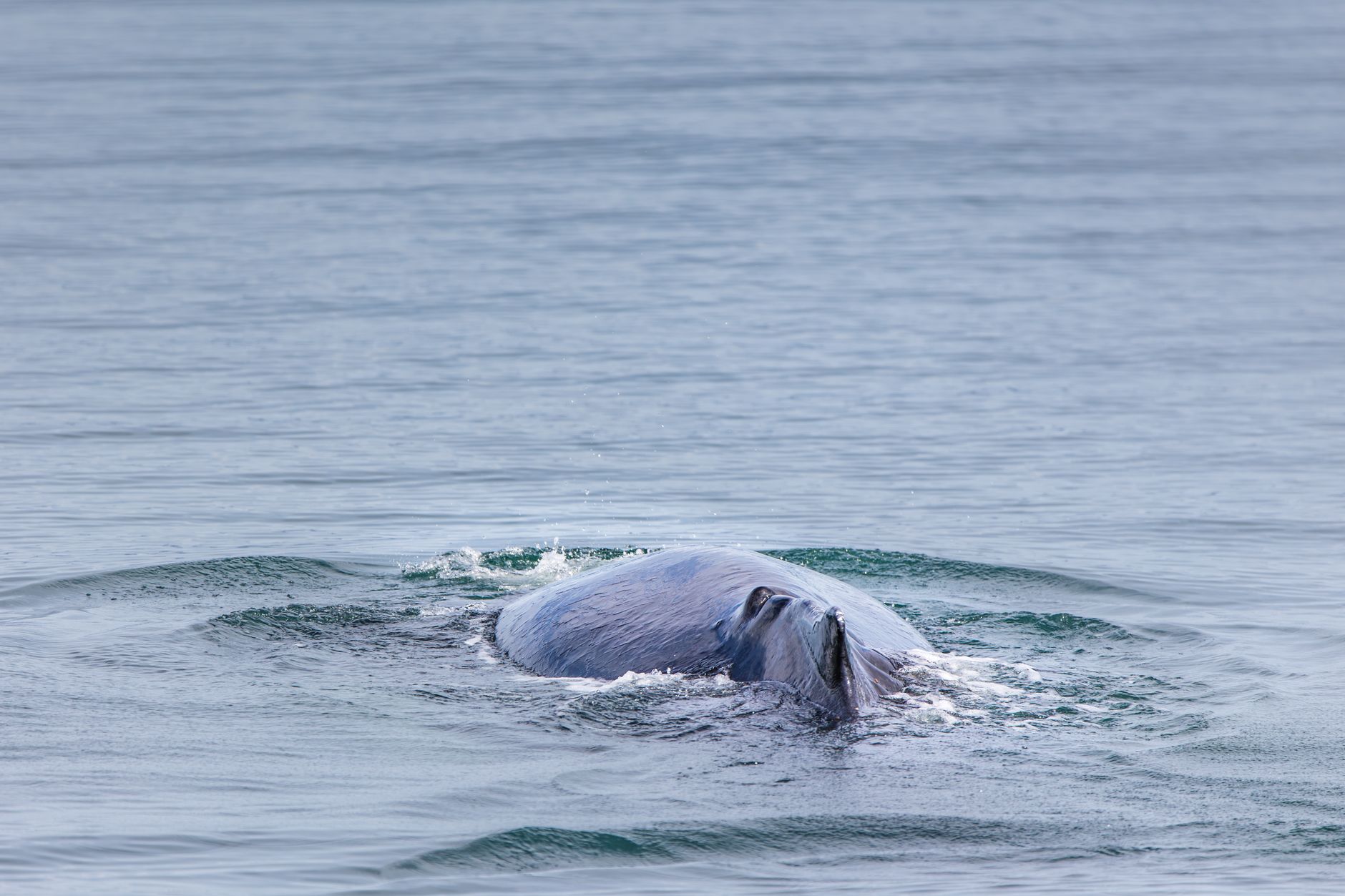
A humpback whale has died after becoming entangled in fishing line off Western Australia's Ningaloo coast, and two popular beaches have been closed as its carcass draws sharks into the shallows.
Wildlife officers with the Department of Biodiversity, Conservation and Attractions (DBCA) had hoped to free the nine-metre animal, which was found on 8 July emaciated and heavily wrapped in gear. They fitted a satellite tag before nightfall but ran out of daylight to attempt a rescue.
"The team attached a satellite tag prior to last light with the plan to return and attempt a disentanglement the next morning however the whale passed away," a DBCA spokesperson said.
It was not an isolated case. Rangers believe several whales were caught in gear along the same stretch of coast within a few days as the annual humpback migration moved through the region.
"Based on reports and imagery collected throughout the week, it appears there were at least four and possibly five separate whales involved," the spokesperson said.
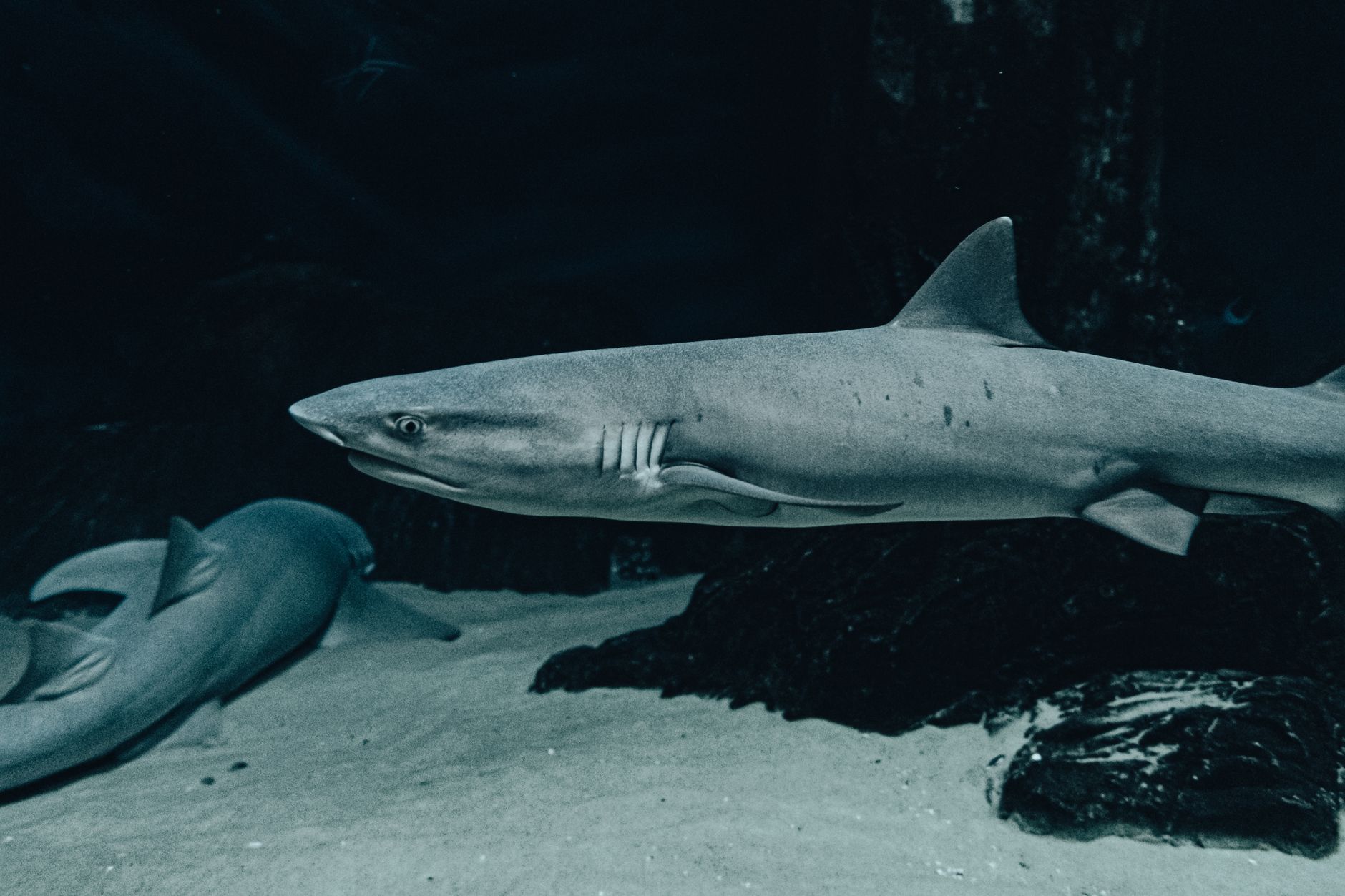
The dead whale washed onto Mandu reef, where the carcass quickly began attracting sharks. North Mandu and Oyster Stacks -- two of the most popular snorkelling and swimming spots on the Ningaloo coast, part of a World Heritage-listed marine park -- were closed as a precaution, with authorities warning people to stay clear of the water while the carcass remains.
The Ningaloo cluster is part of a punishing entanglement season around the country. On Australia's opposite coast the same week, the NSW National Parks and Wildlife Service freed a 14.5-metre humpback tangled in rope, netting and buoys off Forresters Beach -- one of several reported along the New South Wales coastline on a single day.
"Every successful disentanglement is the result of extensive training, careful planning and teamwork," said Mitch Carter, acting director of the NSW National Parks and Wildlife Service's Hunter Central Coast branch. "The quick reporting of the entanglement, favourable conditions and the ability to confirm the nature of the entanglement using drone footage all contributed to a rapid and successful response."
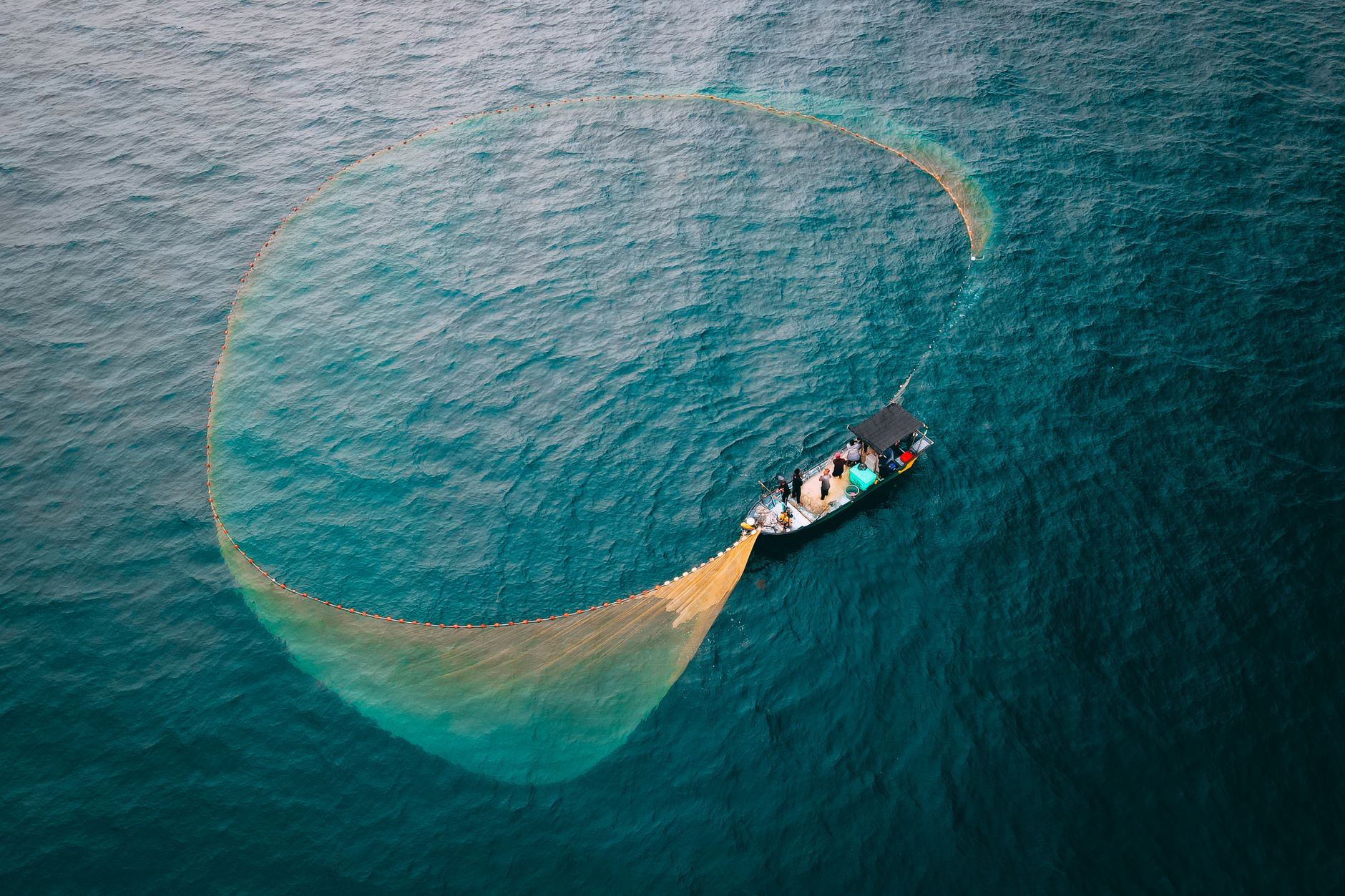
For recreational and commercial fishers alike, the winter migration is a twice-yearly reminder to check and secure gear. Ropes, nets and pot lines left in the water along the whales' route are the main way the animals become caught. Wildlife agencies stress that people should never try to free an entangled whale themselves, and instead report sightings to the Wildcare Helpline in Western Australia or ORRCA in New South Wales so trained crews can respond.
The death is a grim marker in what is usually a celebratory time of year on the Ningaloo, when thousands of visitors travel north to swim with whale sharks and watch humpbacks push up the coast.