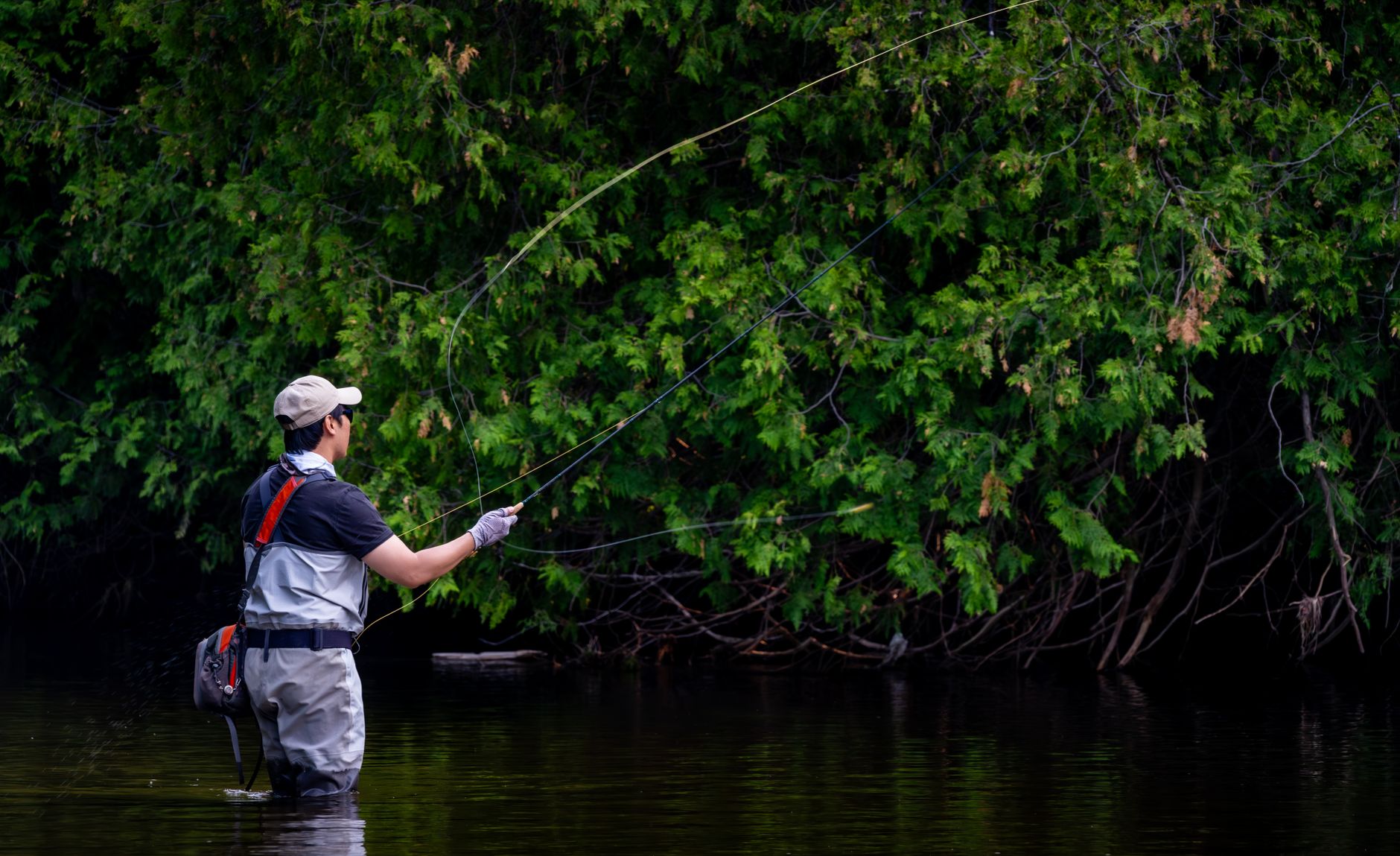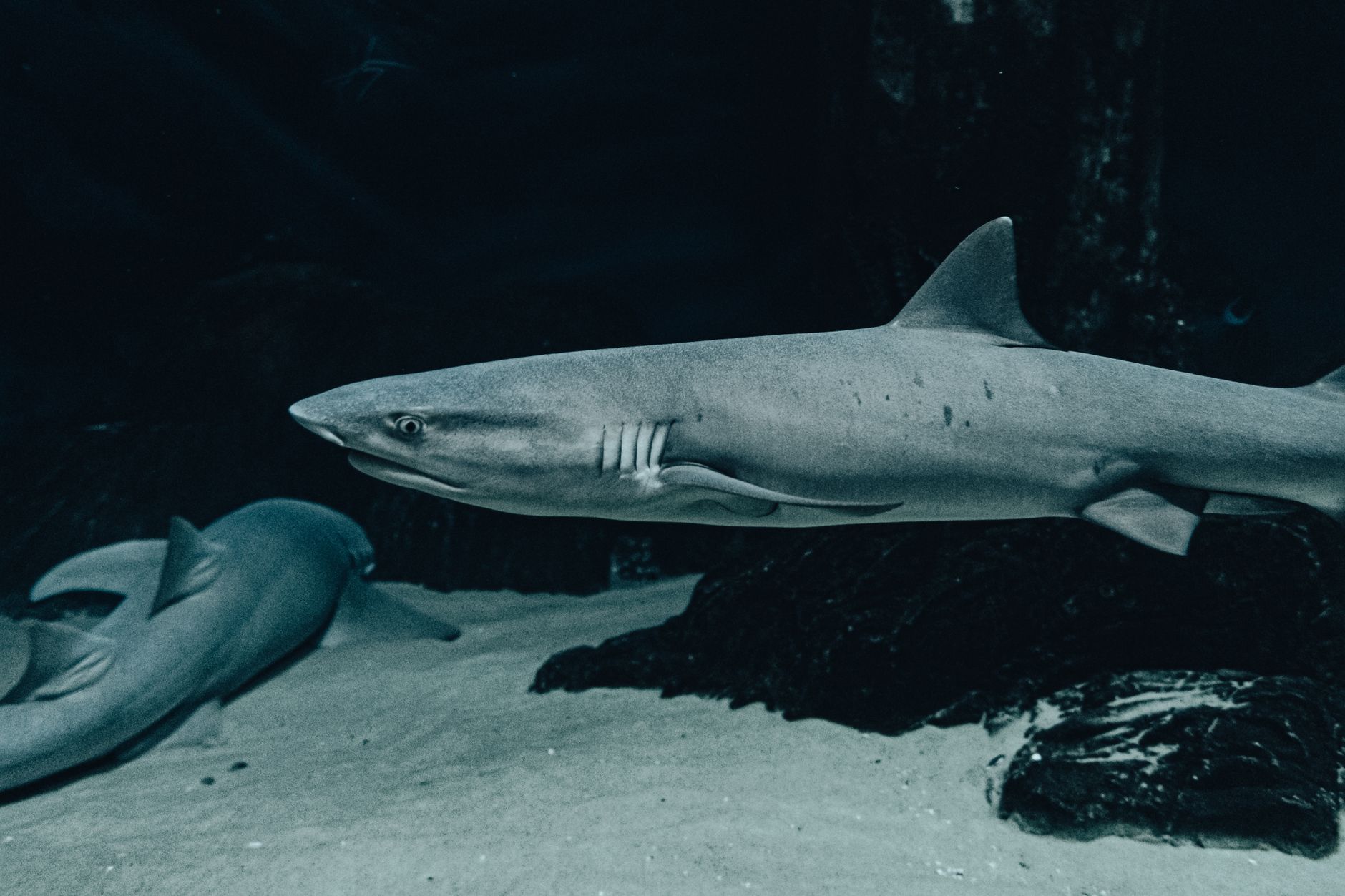
A wave of new restrictions on shark fishing from beaches and piers is running into organized resistance from anglers, who are now taking the fight to the courts and the op-ed pages.
The sharpest clash is in South Carolina, where recreational angler Gregory Haskins — owner of the surf-fishing charter Catching with Greg — and the nonprofit Shoreline Shark Conservation are suing Horry County over its long-standing ban on land-based shark fishing, a prohibition that reaches a mile offshore from the county's beaches and piers.
"It's unconstitutional because Article 1, Section 25 of our (state) Constitution guarantees my right to fish, and then these counties are confusing everything by regulating something that the state already regulates," Haskins said.
The complaint contends that South Carolina law designates fish as "state property," limiting how far counties can go when the state already sets shark rules through licensing and gear regulations. Haskins says the ban has cost him charter business and blocked both groups from running tagging work for NOAA's Cooperative Shark Tagging Program inside the county. Horry County officials, who said they had not yet been served, declined to comment on pending litigation.
The South Carolina fight is only the loudest. In California, the Department of Fish and Wildlife on June 25 closed shore- and pier-based fishing from Pigeon Point south to the Mexican border, out to 1,000 yards, and banned large hooks and wire leaders in the zone. The closure runs 180 days with the option of two 90-day extensions. Officials linked it to El Niño conditions pushing juvenile white sharks north into California's nearshore waters.
"We're really worried that if someone catches a large shark and is fighting it with this heavy metal leader, that the shark could wrap itself around a person," said John Ugoretz, a spokesman for the department.
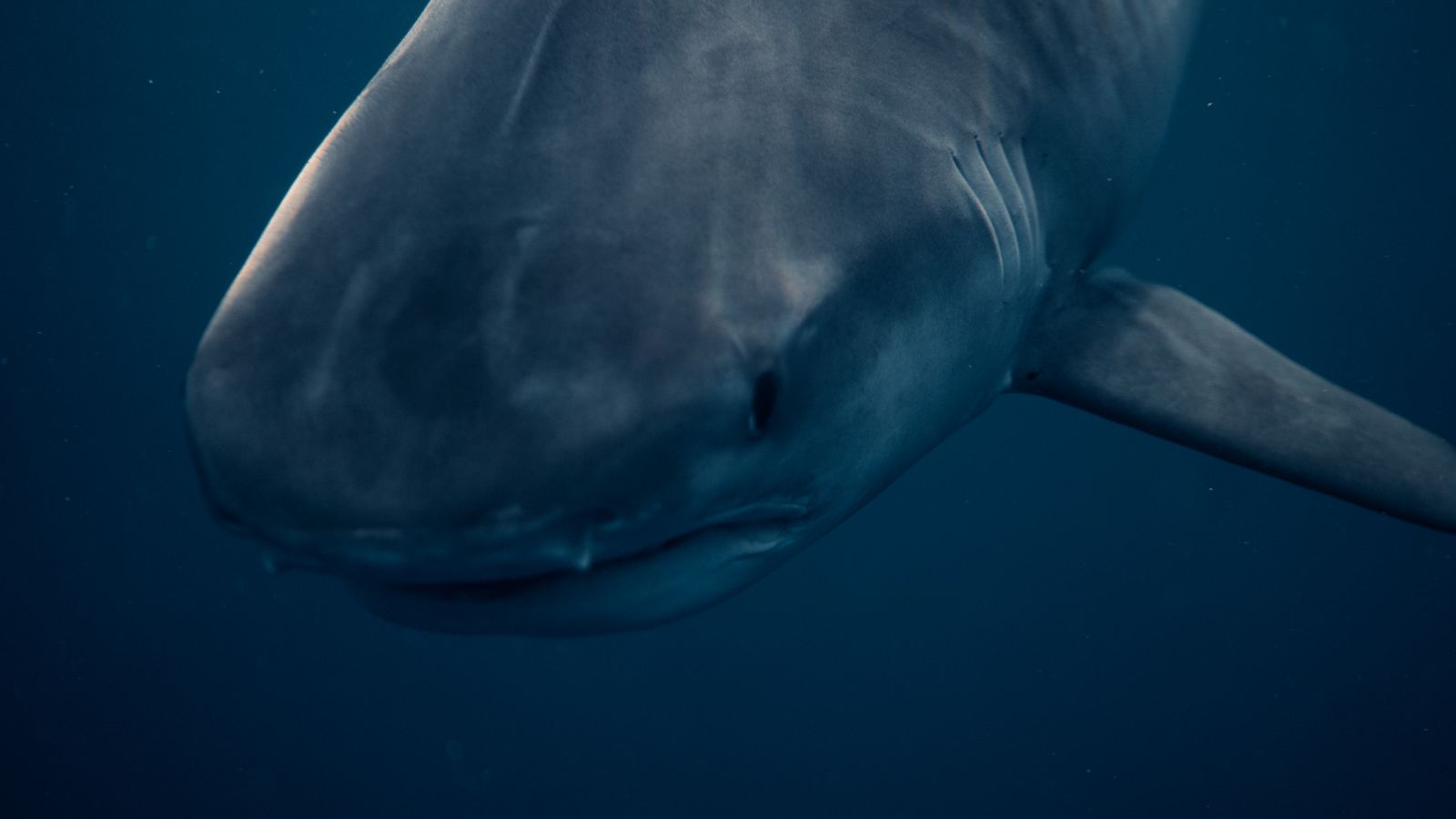
The template for much of this sits in Massachusetts, which tightened its shore-based shark rules around Cape Cod with limits on wire leaders longer than 18 inches, hooks bigger than 5/8 of an inch and a statewide ban on fishing with drones. Jared Silva, a fisheries policy analyst for the state's Division of Marine Fisheries, said the measures target only the heavy tackle needed to land great whites.
"The guys that are fishing lighter gear on and around Cape Cod, they will be totally unaffected," Silva said. He tied the crackdown to social media incentives: "There is a large contingent of anglers on social media that are looking for that viral video of them shark fishing, particularly for white sharks."
That is the fault line. Regulators frame the bans as public safety — keeping hooked, thrashing sharks away from crowded swimming beaches. Anglers see overreach, a threat to a legal pastime and, in Haskins's case, a conservation-tagging program shut out of the water. The South Carolina lawsuit could decide whether local governments can reach beyond the state's own rulebook — a question with implications for coastal towns well beyond Horry County.